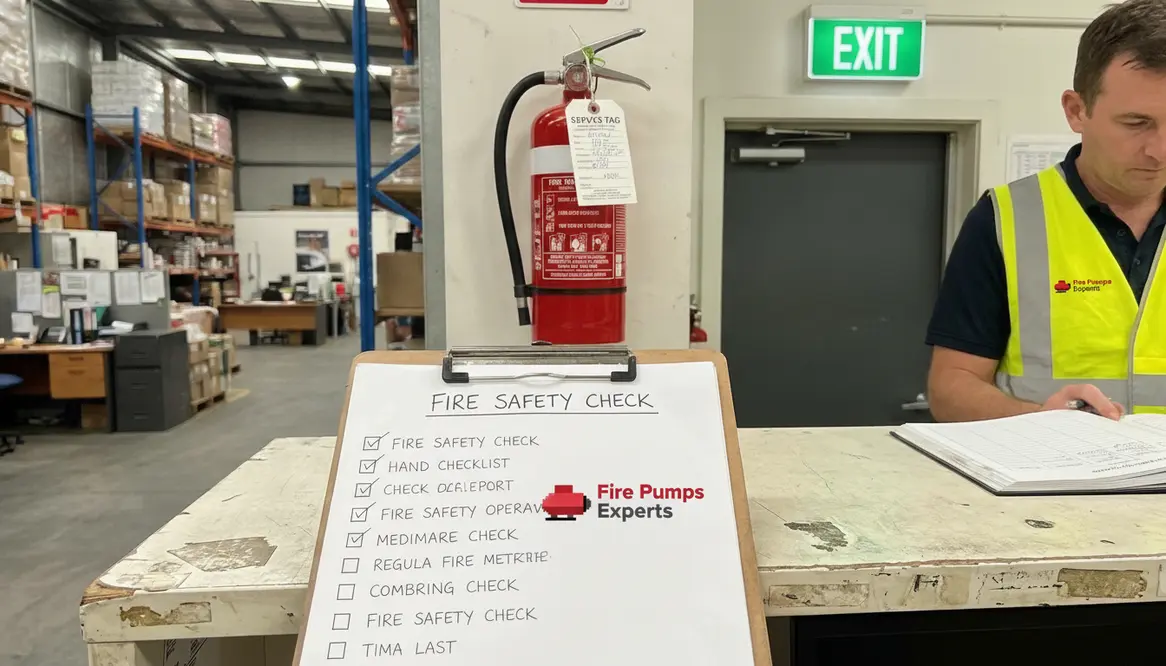
Fire Safety Compliance Checklist Australia Guide
Fire safety compliance checklist Australia sounds dry at first. I get it. However, for commercial and industrial facilities, plus major property buildings, it can be the difference between smooth operations and a very expensive headache. I use this checklist approach to keep fire systems, staff habits, and building records in line with what inspectors expect. And yes, it is a bit less thrilling than a season finale, but far more useful when the alarm goes off for real.
Across Australia, regulators expect sites to treat fire safety as part of normal business, not a side quest. A clear, structured fire safety compliance checklist Australia helps turn confusing standards into practical actions: what to inspect, what to record, and what to fix before anyone starts writing infringement notices.
Start With the building’s fire risk picture
I always begin with the basics because fire safety works best when I understand the site, not just the paperwork. First, I look at the building type, size, layout, and how people move through it. Then I check what hazards sit inside it, such as machinery, storage, electrical loads, hot work areas, or large fuel sources. This matters because a warehouse, hospital tower, and high rise office do not face the same fire risks, even if they all wear a neat suit and pretend to be calm.
Next, I review whether the building has current fire safety statements, evacuation plans, and records for the essential safety measures. These documents tell me if the site meets its duties under Australian fire rules and local requirements. Also, I make sure the risk review stays current after tenant changes, fit outs, or major equipment upgrades. A stale plan is like a map from 2007. It looks official, but it may not help you much.
Snapshot questions to frame risk
- What type of building is it, and how high does it go?
- How many people can be inside at peak times?
- Where do flammable or high-heat activities sit?
- How complex are the evacuation paths?
- Has anything major changed in the last 12 months?
Fire safety compliance checklist Australia for essential systems
This part carries the weight. I check the core systems that protect life and property when every second starts to matter. If these fail, the rest becomes theatre.
Fire protection systems I verify
First, I inspect fire alarms and warning systems to confirm they work, sound clearly, and cover the full building. Then I check sprinkler systems, hydrants, hose reels, extinguishers, fire doors, emergency lighting, and exit signs. I also confirm that pumps, tanks, and water supplies stay ready for use, especially in large commercial and industrial sites where demand can climb fast.
Second, I review inspection tags, test dates, service reports, and defect logs. These records prove the systems got real attention, not just a polite glance. If a defect exists, I want to know what the issue is, who fixed it, and when the repair happened. In fire compliance, “we meant to do it” does not count. That one never wins in an audit.
Finally, I compare the installed systems with the building’s approved fire safety design. If there has been any renovation, I check whether the changes still suit the original fire strategy. This step matters a lot in major properties, where one wall change can affect smoke movement, exits, and alarm coverage.
How I check staff training and evacuation readiness
People are part of the system. That may be the least glamorous truth in fire safety, yet it is still the truth. I confirm that staff know the alarm tone, the evacuation route, the assembly area, and their role during an emergency. If the team hesitates when the alarm sounds, the building loses valuable time.
I also look for regular drills, clear wardens, and updated emergency procedures. Drills should reflect the real layout of the site, not some fantasy version where everyone exits neatly like characters in a perfectly edited movie. I want evidence that managers test the process and fix weak points after each drill. That means rerouting staff if a corridor gets blocked, updating contact lists, and retraining teams after a lease change or staffing shift.
For larger commercial and industrial facilities, I place extra weight on shift coverage. After all, fire does not wait for business hours. It is rude like that.
Training checkpoints
- Staff can identify alarms and know what to do.
- Wardens are appointed, visible, and trained.
- Evacuation diagrams match current layouts.
- Drills are realistic and reviewed afterward.
- Night shift and weekend teams are covered.
What records and documents should I keep?
Quick document check
Keep these records:
Current fire safety statement
Essential safety measures schedule
Service and inspection reports
Defect repair history
Evacuation diagrams
Training logs and drill reports
Warden appointment records
Maintenance contracts
Risk assessments and updates
I keep these documents organised because an inspector may ask for proof at short notice. In addition, strong records help me spot patterns, like a sprinkler zone that keeps failing or a door that never closes properly. That kind of trend tells a story, and I prefer to read that story before someone else reads it to me.
If a site uses outside fire safety support, I also make sure the provider understands commercial and industrial compliance needs, not just small office basics. For practical support, I would review commercial fire pump and essential system services for major properties when the site relies on pump systems, hydrants, or large-scale fire water supply.
Fire safety compliance checklist Australia for ongoing maintenance
Compliance is not a one time event. It is a cycle. I set a maintenance rhythm so the building stays ready all year, not just after someone sends a reminder email with a serious font.
Maintenance actions that hold everything together
First, I schedule routine inspections for all active fire systems. Then I track service intervals for extinguishers, alarms, emergency lighting, sprinklers, pumps, and exits. I also confirm that access stays clear. Boxes in front of exits may seem harmless until they become a real obstacle during an evacuation. That is when cardboard turns into the villain of the story.
Next, I watch for changes in the site. New tenants, extra stock, welding work, or plant upgrades can all change fire risk. So, I update the fire review when the building changes, not months later. This habit keeps the site aligned with the fire safety compliance checklist Australia and reduces nasty surprises during a review.
FAQ
Keep your site ready before the alarm does the talking
I treat fire compliance as a practical business shield, not a box ticking exercise. If your commercial or industrial site, or major property building, needs a stronger review, I would act now, not later. Build the routine, test the systems, train the people, and keep the records tight. Then your fire safety plan works when it counts, and that is the whole point. If you need support, start with a site review and make the next inspection far less dramatic.
Using a structured fire safety compliance checklist Australia keeps everyone honest: the systems, the paperwork, and the humans wandering around with access cards and coffee cups. When the alarm finally speaks up, the goal is simple – the building responds the way you always said it would.