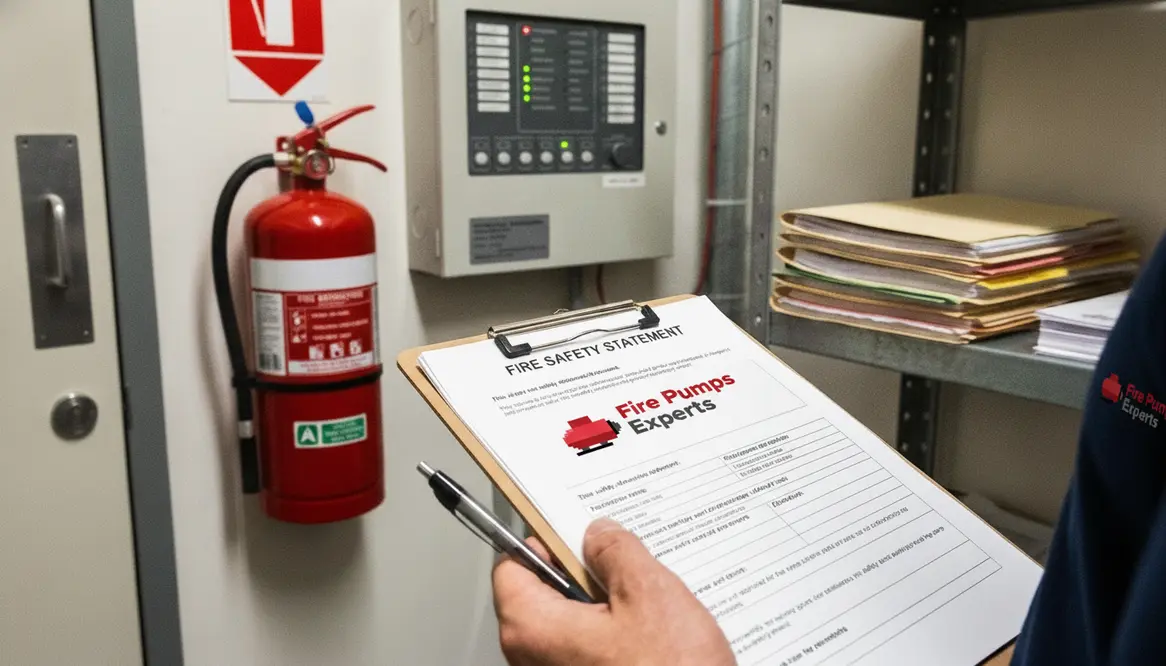
Fire Safety Statement Guide for Building Owners
Fire Safety Statements Explained for Building Owners
When I talk about a fire safety statement, I mean more than a piece of paper sitting in a folder like yesterday’s takeout receipt. For owners of commercial and industrial buildings, this document shows that your property meets the fire safety rules that matter most. It also proves that you take protection seriously, which matters when tenants, staff, inspectors, and insurers all come looking for answers. In other words, this is not paperwork for the sake of paperwork. It is part of the backbone of building safety, and yes, it can save a lot more than time.
What a fire safety statement means for my building
I treat a fire safety statement as a formal promise backed by evidence. It confirms that fire safety measures in a commercial or industrial property have been inspected, tested, and kept in working order. That often includes alarms, sprinklers, exit lighting, hose reels, fire extinguishers, smoke control systems, and other critical systems. If one of those systems fails, the whole safety plan starts to wobble like a bad movie sequel.
For building owners, the value goes beyond compliance. First, it helps reduce risk. Next, it helps show due care if something goes wrong. Also, it gives me a clear record of what has been checked and when. That makes maintenance easier, planning smarter, and surprises far less dramatic.
What I need to include in the fire safety statement
A proper fire safety statement should match the actual building and its fire safety features. I always make sure it reflects the specific systems installed, the inspection dates, and the work done by qualified people. For larger sites, this can be a detailed set of records, not just a simple yes or no note.
Core information I look for in a fire safety statement
- The building address and use type
- The fire safety measures installed on site
- Test and inspection results
- The date the checks were completed
- The name of the competent person or specialist who signed off the work
- Any defects found and how they were fixed
That list may look plain, but it carries real weight. After all, fire safety is not the place for guesswork. I would not trust a building’s protection plan the way I trust a coffee machine that “mostly works.”
How I keep the statement current and useful
Keeping the document current is just as important as creating it. I do not treat it like a one time task. Instead, I link it to regular maintenance, testing, and repairs. If a fire door sticks, a pump drops pressure, or an alarm panel throws a fault, I update the record and deal with it quickly.
That approach helps in two ways. First, it keeps the building safer. Second, it makes audits and inspections far less painful. I also like to keep supporting documents close at hand, such as service reports, test logs, and repair notes. When everything lines up, the fire safety statement becomes a living record, not a dusty file that only appears when someone from compliance walks in with a serious face.
Why building owners should care about compliance
Compliance is not just about avoiding fines, although let’s be honest, nobody wakes up hoping to pay one. It is about protecting the people who use the building every day and keeping your business running. For commercial and industrial properties, the risks can be high. Machinery, storage, high occupancy, and long operating hours all raise the stakes.
So, when I manage fire safety the right way, I protect more than property. I protect operations, reputation, and peace of mind. That matters whether the site is a warehouse, office tower, retail complex, or another major property. A strong record also supports insurance claims and shows that the owner acted responsibly before trouble showed up wearing its usual bad timing.
Fire safety statement in practice for commercial properties
Below, I break down how the process usually looks for owners of larger sites.
Step-by-step approach for building owners
- Step one: I confirm which fire safety systems apply to the building.
- Step two: I arrange inspections and testing by qualified specialists.
- Step three: I review defects and make sure repairs happen fast.
- Step four: I keep the supporting records together in one clear file.
- Step five: I update the fire safety statement and store it where it can be found easily.
This process keeps things orderly. Also, it reduces the chance that a small fault turns into a bigger problem later. In a large facility, small issues can spread faster than gossip in a season finale.
When I bring in experts and what they add
I do not try to wing this alone. For major properties, I rely on fire safety professionals who understand the rules, the systems, and the local compliance path. They help check that the statement lines up with the building’s actual fire measures. They also spot gaps that a busy owner or manager might miss.
If you want a deeper look at commercial fire protection support, I recommend reviewing commercial and industrial fire protection services for major properties. That kind of support can make a real difference when your site depends on fast, accurate protection systems.
Frequently asked questions about your fire safety statement
These quick answers help keep a fire safety statement practical, current, and ready for inspection.
Conclusion
If you own or manage a commercial or industrial building, I urge you to treat your fire safety statement as a key part of risk control, not a side task. It helps protect people, support compliance, and keep your property ready for inspection. More importantly, it gives you a clear, honest record of where things stand. If you want fewer surprises and stronger protection, now is the time to review your fire safety records and act before a small problem becomes a big headline.