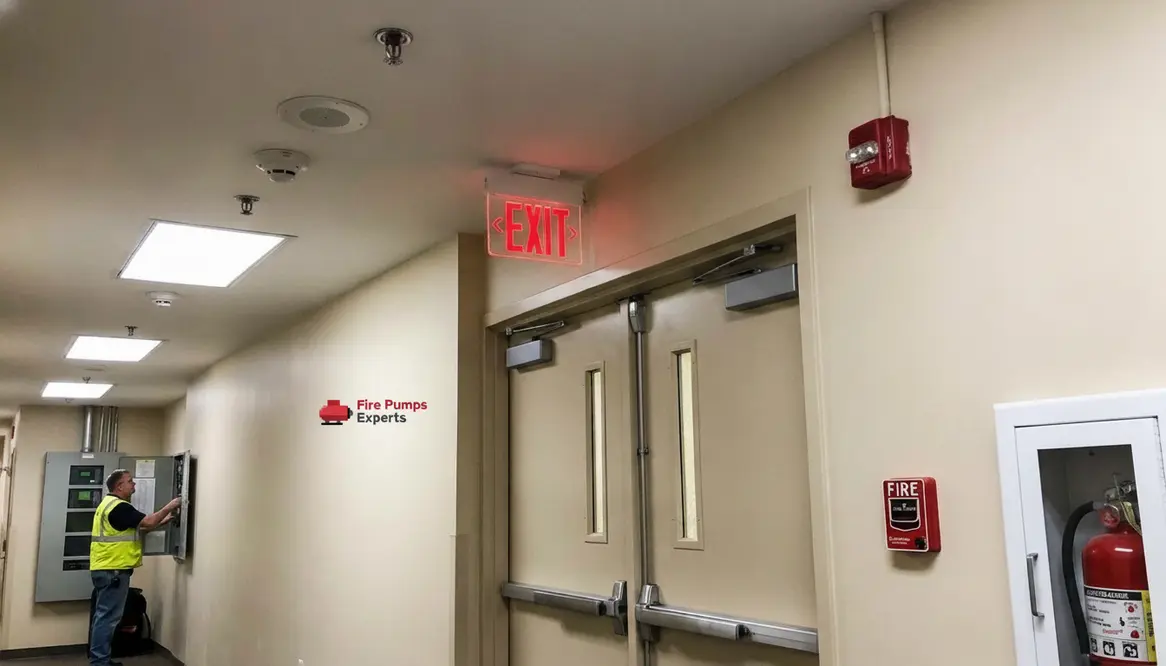
Essential Safety Measures in Commercial Buildings
How quiet systems, smart planning, and disciplined maintenance keep large properties ready when things go wrong.
What Are Essential Safety Measures in Buildings?
When I walk into a commercial tower, a warehouse, or a big industrial site, I do not just look at the walls and lights. I look for essential safety measures. These are the systems and features that help protect people, property, and operations when something goes wrong. Think fire alarms, sprinkler systems, exit signs, emergency lighting, smoke control, and fire pumps. In a major property, these are not nice extras. They are the quiet crew working behind the scenes while everyone else acts like the building is immortal. It is not. So, if you manage a commercial or industrial facility, you need to know what these measures do, why they matter, and how they keep the whole place standing when the heat is on, sometimes literally.
What Essential Safety Measures Do in a Building
I see essential safety measures as the building’s first line of defense. They detect danger, warn people, slow the spread of fire, and support safe evacuation. At the same time, they help fire crews do their job faster and safer. In a large property, one small failure can spread fast. That is why these systems must work together, not just sit there looking important like a superhero team that never leaves the lobby.
In practice, I focus on three jobs: alert, control, and protect. First, the system alerts people through alarms and visual signals. Next, it controls risk with sprinklers, smoke control, and compartmentation. Finally, it protects life by keeping exits clear and powered. Because these pieces connect, one weak link can create a big problem. That is why regular checks matter just as much as the install.
Which Systems I Check First in Commercial and Industrial Sites
When I assess a major property, I start with the systems that carry the most weight in an emergency. These usually include:
- Fire alarms to warn people early
- Sprinkler systems to slow fire growth
- Fire pumps to keep water pressure strong
- Emergency lighting so people can move in the dark
- Exit signs and routes to guide safe escape
- Smoke control systems to reduce toxic air and improve visibility
Also, I pay close attention to the size and use of the building. A warehouse does not face the same risks as an office tower, and an industrial plant can bring heat, chemicals, and machinery into the mix. So, the safety plan must match the site, not some generic checklist copied from a dusty binder no one has opened since the last coffee shortage.
Why Maintenance Matters More Than the Install
A building can have great systems and still fail if no one maintains them. That is the hard truth. I have seen buildings with top gear that did not work because a valve was stuck, a battery had died, or a pump had gone quiet. The fire did not care about the brand name. It only cared whether the system was ready.
For that reason, I always push for routine inspection, testing, and record keeping. These actions catch faults before they turn into emergencies. They also help owners meet legal duties and avoid expensive shutdowns. Moreover, good maintenance helps extend the life of the system. In business terms, that means less panic, fewer repairs, and more control. And control, in a big property, is worth its weight in gold.
How I Link Safety Systems Across a Site
In large commercial and industrial facilities, safety works best when systems talk to each other. For example, a fire alarm can trigger door release, smoke control, and emergency lighting at the same time. Then the sprinkler system can activate while the fire pump keeps pressure steady. This type of link helps the building respond fast and in the right order.
Here is a simple view of how I break it down:
| System | Main role |
| Fire alarm | Warns occupants early |
| Sprinklers | Controls fire spread |
| Fire pump | Supports water flow |
| Emergency lighting | Helps safe movement |
| Smoke control | Improves air and visibility |
Because these systems must work as one, I always recommend a joined approach to design, testing, and repair. If one part fails, the whole response can suffer. That is why smart building teams treat safety as a network, not a pile of parts.
How I Build a Safer Plan for Major Properties
A strong safety plan starts with a proper risk review. I look at the building layout, occupant load, fire load, and critical operations. Then I match the essential safety measures to those risks. A high bay warehouse may need strong sprinkler coverage and reliable fire pumps. A busy commercial tower may need better evacuation paths, alarms, and smoke control. Meanwhile, an industrial site may need more detailed checks because of heat sources, fuels, or process equipment.
Next, I make sure staff know what to do. Even the best system cannot help if people freeze like a bad action movie extra. So, training matters. Clear drills, simple signs, and regular updates all improve response. In addition, I make sure records stay current. That includes test logs, service dates, and repair notes. These details may seem small, but they tell the real story of building safety.
When I step back and look at the full picture, the essential safety measures in any serious commercial or industrial building form a single safety ecosystem. They protect life, support first responders, and reduce the kind of losses that can shut a business for good.
Why Essential Safety Measures Deserve a Priority Spot
In every high-risk property I review, essential safety measures sit on the same level of importance as the structure itself. They turn a vulnerable building into a controlled environment during a crisis, and they draw a clear line between a contained incident and a full-scale disaster.
FAQ
Final Thoughts and Next Step
If I want a commercial or industrial building to stay ready, I do not treat safety as an afterthought. I treat it as part of the building’s core strength. Essential safety measures protect lives, reduce loss, and keep operations moving when trouble starts. So, review your systems, fix weak points, and keep your records clean. If your site needs expert support, now is the time to act. A safer building starts with one smart decision, and I would make that decision today.
If you are unsure where to begin, start by mapping the current condition of your alarms, sprinklers, smoke control, fire pumps, exits, and emergency lighting, then compare that picture with the legal requirements in your region. For more detailed guidance, resources from https://firepumps.org can help you understand system expectations and performance benchmarks.