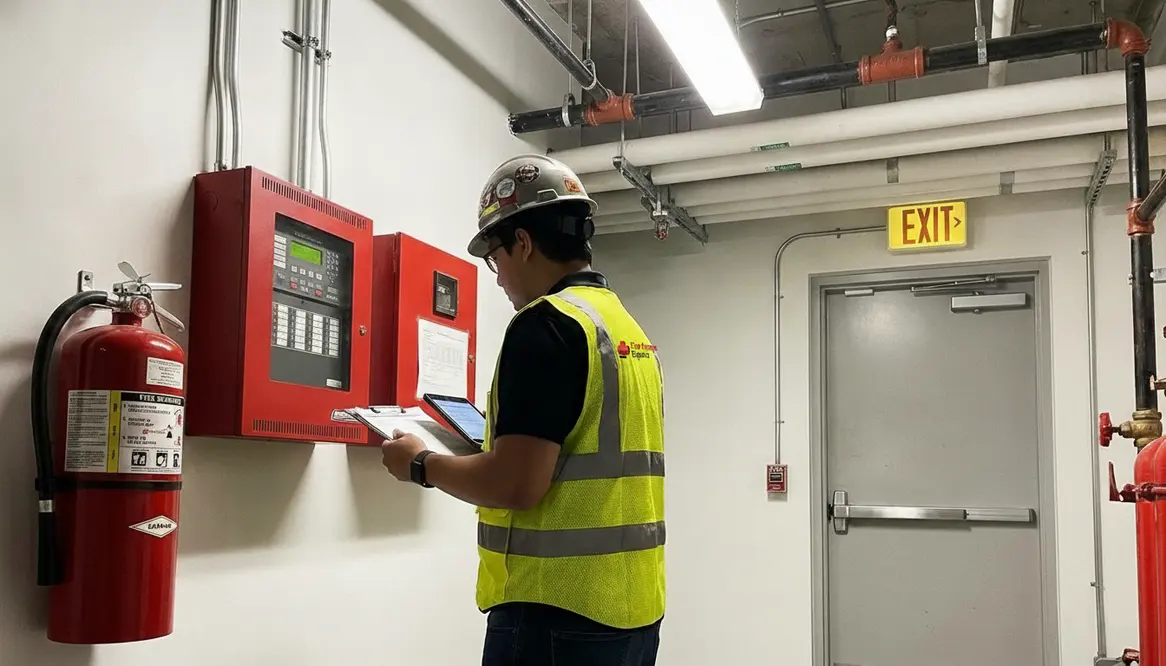
Fire Protection Compliance Guide for Facility Managers
When I think about a fire protection compliance guide, I do not picture a stack of dusty binders collecting office life like an extra in the background of a sitcom. I picture a living plan that keeps people safe, protects property, and helps a facility stay ready when things go sideways. For commercial and industrial buildings, compliance is not just a box to check. It is a daily discipline. And yes, it can feel a bit like juggling while someone asks for a status report, but that is exactly why a clear process matters.
As a facility manager, I need to understand what the code requires, what my building needs, and how to prove both at any moment. That is the job of a smart fire protection compliance guide, and the rest of this article breaks it down in plain language.
What I Need To Know Before a Fire Inspection
I start with the basics: what systems exist, where they are located, and whether they work as designed. That means alarms, sprinklers, pumps, extinguishers, fire doors, emergency lighting, and exit paths. If I do not know the condition of these systems, then I am not managing risk. I am just hoping for the best, and hope is not a plan.
Before any inspection, I review records, check open work orders, and confirm that all required tests are current. I also make sure that exit signs shine, doors close, and nothing blocks the way out. A chair in the wrong place can turn into a headline. That is a pretty rude upgrade for office furniture.
Fire Protection Compliance Guide for Commercial Facilities
1. Understand the Code
In a commercial or industrial site, compliance usually depends on three things: the code, the equipment, and the documentation. First, I match the building use to the right fire safety rules. A warehouse, a plant floor, and a multi story property do not play by the same exact script, and my fire protection compliance guide has to reflect those differences clearly.
2. Match Systems to Hazards
Next, I confirm that every system fits the hazard in the space. That means the right sprinklers, pumps, detectors, and extinguishers for how the building is actually used, not just how it was drawn on paper five years ago.
3. Prove It With Documentation
Finally, I keep proof that systems are tested and maintained. The fire protection compliance guide only works if I can show it in action, backed by records that make sense even to someone who has never seen the building before.
That proof should show who tested what, when they tested it, what failed, and how fast the repair happened. If an inspector asks for records, I want answers ready, not a scavenger hunt. A strong file also helps me spot repeat issues, which saves time and money. And in this economy, that matters just a little.
Use a Dual Column View for Daily Compliance Checks
Below is a simple way I separate daily and scheduled tasks so nothing slips through the cracks. It keeps my fire protection compliance guide visible in everyday work instead of buried in a policy folder.
Daily Checks
- Clear exits and access paths
- Visible extinguisher placement
- Locked or open fire doors as required
- Housekeeping in high risk areas
- Report damage right away
Scheduled Checks
- Fire alarm tests by schedule
- Sprinkler and pump inspections
- Emergency light and battery checks
- Vendor service and repair review
- Annual code review and drill planning
This kind of split keeps the work simple. It also helps my team move fast without losing sight of the bigger picture. The goal is not more paperwork. The goal is fewer surprises and a fire protection compliance guide that actually works on a Tuesday afternoon, not just during audits.
How I Keep Systems Ready All Year
I do not treat fire safety like a once a year event. Instead, I build it into the normal rhythm of the building. I train staff on basic response steps, I test communication systems, and I track service dates before they expire. I also watch for changes in the property. A remodel, a new tenant, a process change, or even new storage habits can affect compliance.
As a result, I stay ahead of problems instead of reacting after a failed test. For example, if a sprinkler head gets blocked by storage, I fix the layout fast. If a fire pump shows weak pressure, I escalate it immediately. That kind of response protects people and keeps the facility from drifting into risk. And nobody wants a “surprise” during an audit unless it is cake.
Why Records and Vendor Support Matter
Good records make me look organized. Better still, they make the building safer. I keep service logs, inspection reports, repair notes, and training records in one place so I can show a clean history. If a problem repeats, I look for the pattern. That helps me decide whether I need maintenance, a repair, or a full system review.
I also rely on qualified fire protection partners for complex systems that serve commercial and industrial properties. For that reason, I value a resource like trusted fire pump compliance support for commercial facilities when I need deeper guidance on pumps, service, and system readiness. A good partner helps me reduce downtime and stay in line with code expectations. In the world of facility work, that is the closest thing to a superhero cape.
Using a Fire Protection Compliance Guide as a Living Tool
The most useful version of a fire protection compliance guide is not a one time document. It should change when codes update, when the building layout shifts, or when inspections reveal new weak points. I review it after drills, after major repairs, and after any incident, even if it is a small scare caused by burnt toast in the break room.
By treating it as a living tool, I make sure the guide matches reality. That way, when inspectors, executives, or insurance partners ask how I manage fire risk, I can walk them through a plan that is current, practical, and backed by results instead of wishful thinking.
FAQ
Conclusion
I treat fire compliance as part of daily operations, not a side task. When I keep systems tested, records clear, and repairs on time, I protect people and reduce risk. If I want a smoother audit and a safer building, I need a plan that stays active all year. So I check my systems, train my team, and update my records now. That is how I stay ready, stay compliant, and stay ahead of trouble.