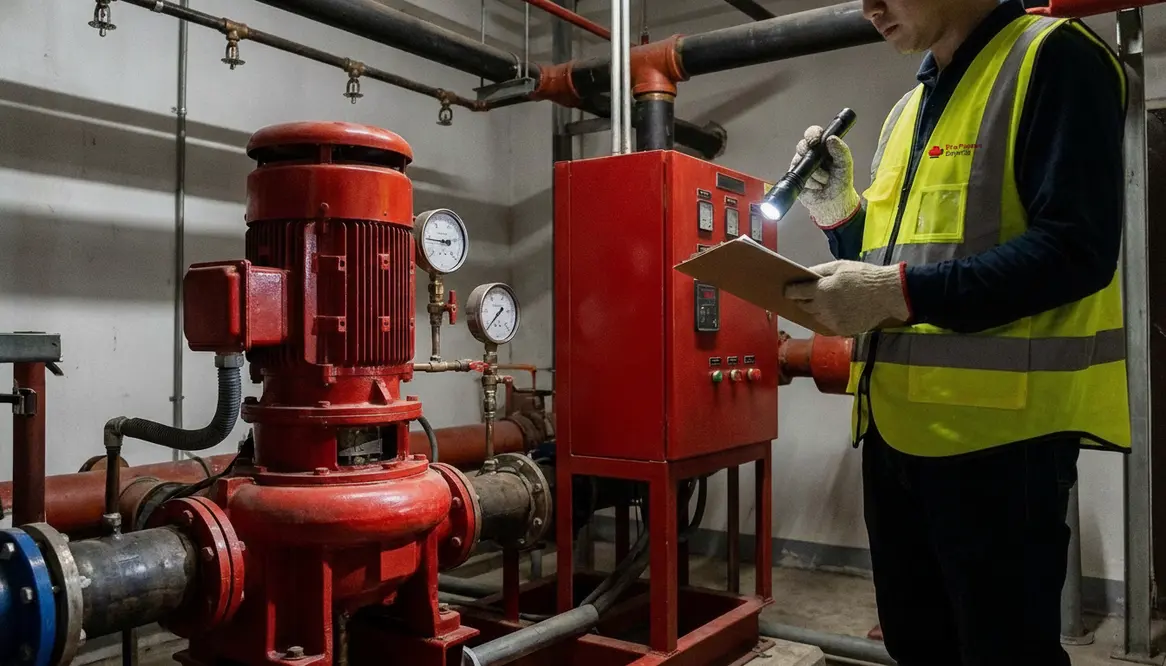
Fire Protection Maintenance Requirements That Matter
A practical look at the checks, tests, and habits that keep commercial and industrial fire protection systems ready for real trouble.
Fire Protection System Maintenance Requirements: What I Watch, What I Test, and What I Never Ignore
When I talk about fire protection maintenance requirements, I am not talking about a dusty checklist that sits in a binder until someone “gets around to it.” I am talking about the living, breathing routine that keeps commercial and industrial facilities ready when things go sideways. In a warehouse, plant, data center, or major property building, one weak valve, one lazy alarm, or one overdue inspection can turn a small problem into a very expensive headline. And nobody wants that kind of drama, not even the fire marshal, who has seen enough chaos for one lifetime.
So, I treat maintenance like a serious system, because it is one. It protects people, limits damage, and keeps operations moving. Just as important, it helps a facility stay aligned with code, insurance rules, and internal safety plans. Now, let me walk through what matters most.
Why this isn’t just “maintenance”
This routine decides whether a small incident stays small or becomes a headline, an insurance nightmare, and a long night of questions nobody wants to answer.
- Protects people and critical assets
- Prevents small issues turning into shutdowns
- Supports code, insurance, and internal safety goals
- Keeps you ready for the worst day, not just the easy ones
What I check first in a maintenance plan
I always start with the full system picture. That means sprinklers, alarms, pumps, valves, gauges, fire extinguishers, control panels, emergency lighting, and any special suppression equipment tied to the building. If one part fails, the whole setup loses strength. In other words, this is not a “good enough” sport.
I want a current inventory of every device and zone. Then I want the service history. If a pump has needed repeat repairs, I pay attention. If a valve has been left partially closed, I pay even closer attention. Also, I look for signs of wear, corrosion, leaks, damage, or blocked access. A fire door boxed in by storage does not care that it was “just temporary.” Fire never respects temporary.
Core system components
- Sprinkler systems and heads
- Fire alarms and notification devices
- Fire pumps, controllers, and water supplies
- Valves, gauges, and risers
- Portable fire extinguishers
- Emergency and exit lighting
- Special suppression systems (clean agent, foam, etc.)
Red flags I never ignore
- Repeat repairs on the same pump or valve
- Valves found partially closed or untagged
- Corrosion, leaks, or damaged insulation
- Blocked access to fire doors or panels
- Missing, faded, or outdated tags and labels
How I handle inspections and testing
Fire protection system maintenance requirements depend on routine inspection and testing. I do not rely on hope, luck, or a well meaning “we think it works.” I use scheduled checks based on the system type, site risk, and code demands. Because commercial and industrial properties face higher exposure, I make these reviews consistent and documented.
Here is how I think about it:
Dual view of upkeep
Visible checks
Look for leaks, damage, rust, low pressure, blocked heads, and missing tags.
Functional tests
Run alarms, confirm pump operation, test backup power, and verify control responses.
Why the split matters
A system can look fine and still fail under pressure. That is the fire safety version of a movie trailer that looked great but the film was a mess. I also make sure testing does not disrupt operations more than needed. Good planning keeps the facility safe and the staff sane.
Why documentation keeps the whole thing honest
I never treat paperwork as an afterthought. Records prove that inspections happened, issues were fixed, and deadlines were met. They also help spot patterns. If the same sprinkler zone keeps failing, the record tells me there is a deeper problem. Without documentation, a facility is basically running safety on vibes, and that is not a strategy.
I keep clean records for:
- inspection dates and results
- repairs and part replacement
- test outcomes and system alarms
- service contractor visits
- corrective actions and follow up dates
These records support audits, insurance reviews, and code checks. They also help me explain what happened if something goes wrong. That matters more than people think.
What major property buildings need most from fire pumps and suppression systems
For large commercial and industrial sites, pumps and suppression systems carry a heavy load. If water pressure drops, a fire pump must step in fast. If the building uses special suppression systems, such as clean agent or foam, I need those systems ready and calibrated. These tools exist for one reason: to act fast when seconds count.
I pay close attention to fuel supply, power supply, controller health, and flow performance. I also watch for vibration, heat, and unusual noise. Machines often whisper before they shout. That is their annoying little talent. When I see a change, I investigate early instead of waiting for a full failure. Early action almost always costs less and causes less disruption.
How I work with service teams and outside resources
Strong maintenance needs trained people. I do not hand critical work to guesswork. I want qualified technicians who know commercial and industrial systems, local code rules, and the demands of major properties. I also want clear communication between building staff, maintenance teams, and outside service providers.
If I need more technical guidance, I use trusted industry resources like fire pump service and maintenance guidance for commercial facilities to support planning and compliance decisions. That kind of reference helps me stay sharp, especially when a system has complex needs or a building has high risk areas.
At the same time, I make sure staff know basic response steps. A good program does not depend on one hero with a flashlight and a lucky streak. It depends on a team that knows the plan and follows the right fire protection maintenance requirements every time the system needs attention.
FAQ: Fire protection maintenance basics
When I shape a program around the right fire protection maintenance requirements, I get the same questions over and over. Here is how I answer them.
Conclusion
I treat fire protection maintenance as a business priority, not a side task. When I follow the right fire protection maintenance requirements, I protect people, reduce risk, and keep major properties ready for real trouble. If your commercial or industrial facility needs a stronger plan, now is the time to review your system, close the gaps, and bring in skilled support. A safer building starts with one smart move today, not a panic call tomorrow.