Office Tower Fire Pump Systems Los Angeles Guide
Fire Pump Systems for Los Angeles Office Towers Explained
When I look at office tower fire pump systems los angeles, I see more than steel, pipes, and motors. I see the quiet muscle that helps a tall building stay ready when water pressure falls short. In Los Angeles, where office towers rise fast and expectations rise even faster, a fire pump system can make the difference between a controlled response and a very bad day. And yes, nobody wants their building safety plan to become a plot twist in a disaster movie.
In this guide, I will break down how these systems work, why tower buildings need them, and what building teams should watch for. I will keep it clear, practical, and grounded in the real demands of major commercial properties.
What a fire pump does in a tall office building
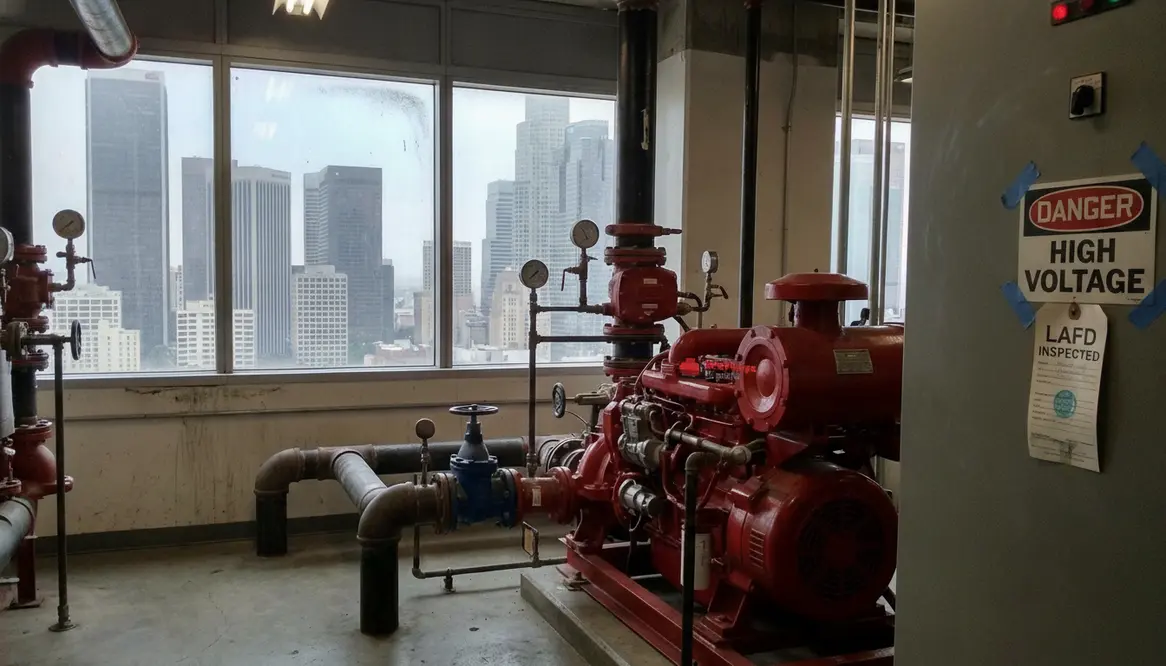
A fire pump boosts water pressure when the city supply cannot reach upper floors with enough force. That matters a lot in high rise offices, where gravity does not exactly play nice. The pump pushes water into the fire sprinkler and standpipe system so fire crews and sprinkler heads get the pressure they need.
In a low rise building, the public water line may do the job on its own. However, in a tower, pressure often drops as height increases. That is where the fire pump steps in. It acts like the building’s backup athlete, ready to do the heavy lifting when the main supply gets tired.
Most office tower setups include these core parts:
- Electric or diesel fire pump
- Jockey pump to hold steady pressure
- Controller and alarms
- Suction and discharge piping
- Power source and backup support
Because every tower is different, I always treat system design as a building specific task, not a copy and paste job.
Why Los Angeles office towers need strong pump design
Los Angeles brings a mix of dense downtown towers, mixed use spaces, and strict fire safety rules. On top of that, seismic risk can affect pipe layout, anchoring, and equipment protection. So, a fire pump system has to do more than work. It has to stay ready under real world pressure, which is fitting, since pressure is kind of the whole point.
Water demand in a tower also changes by floor count, tenant use, and sprinkler layout. A law office on the 12th floor does not face the same needs as a busy finance floor on the 40th. As a result, the fire pump must match the building’s system demand with the right flow and pressure ratings.
For a deeper look at how facility type affects fire pump planning, I recommend this helpful resource: fire pump requirements by facility type guide. It offers a useful frame for commercial and industrial properties, especially when building size and risk level shape the design.
How I would check office tower fire pump systems los angeles during a review
When I review office tower fire pump systems los angeles, I start with the basics and then move deeper. First, I check the pump room itself. It should stay clear, dry, secure, and easy to access. If the room looks like a storage closet from a bad sitcom, that is already a problem.
Next, I look at the system controls and test records. Regular testing tells me whether the pump starts on demand, holds pressure, and responds the way it should. I also want to know whether the system gets weekly churn tests, annual flow tests, and routine inspections as required by the building’s safety program.
A practical review flow for busy towers
First column
- Check pump room access
- Review power and fuel source
- Inspect valves and gauges
- Confirm alarm function
Second column
- Review test logs
- Look for vibration or leaks
- Check backup systems
- Verify service history
That kind of review helps spot small issues before they turn into expensive ones. And in a tower, small issues love to grow teeth.
What building managers should know about maintenance and testing
Fire pump maintenance is not a one time task. It is a steady habit. If I want a system to work during an emergency, I have to keep it healthy the rest of the year. That means checking seals, bearings, control panels, batteries, fuel levels, and water supply conditions.
I also pay attention to the jockey pump, because it helps reduce unnecessary wear on the main fire pump. Without it, the main pump may cycle too often. That can shorten service life and create avoidable stress. Nobody wants a million dollar safety system acting like it just ran a marathon for no reason.
Good maintenance also supports compliance. In major office properties, teams often work with fire protection specialists, building engineers, and third party inspectors to keep records clean and current. Clear records make audits easier and help the building stay ready for both inspectors and emergencies.
FAQ
Final thoughts and next step
If I manage a tower in Los Angeles, I treat fire pump readiness as a core part of building safety, not a side note. A well planned system supports life safety, protects property, and helps the building respond with confidence when seconds matter. So, if your tower needs a review, upgrade, or closer look, now is the time to act. Do not wait for a warning light to start the conversation. Reach out, assess the system, and keep the building ready.