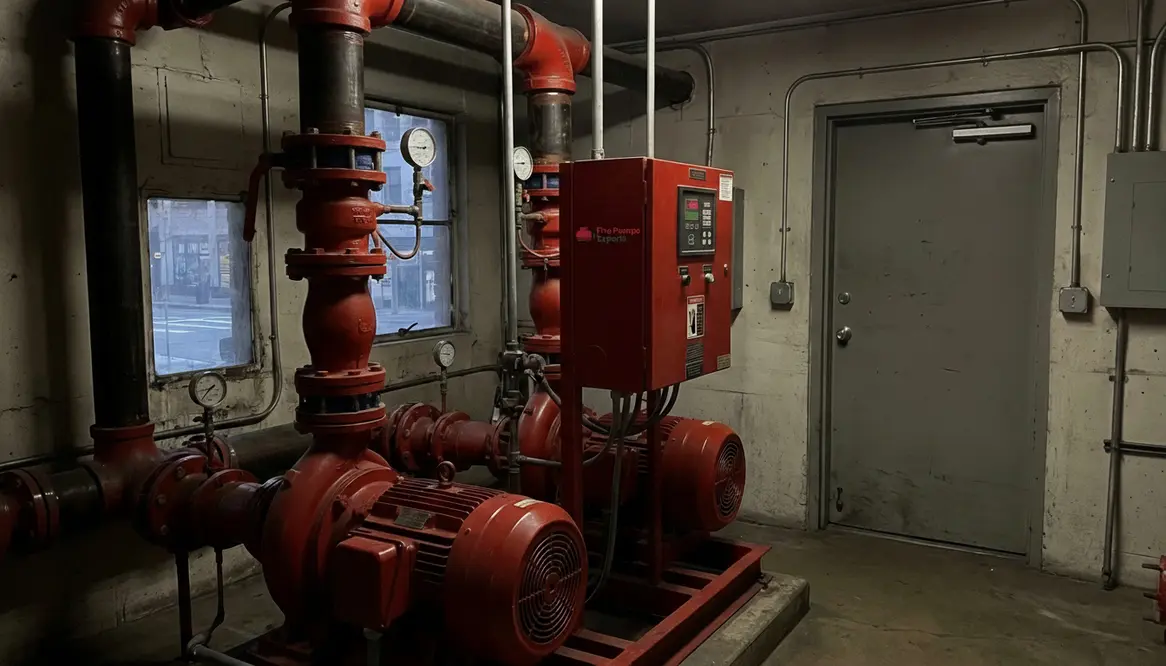

Apartment Building Fire Pump Requirements Los Angeles
A practical walk through what actually matters for downtown LA apartment buildings, from pump rooms to inspections and long term care.
Fire Pump Requirements for Apartment Buildings in Downtown Los Angeles
Fire Pump Requirements for Apartment Buildings in Downtown Los Angeles can feel like one of those topics people ignore until the alarm starts shouting. I have seen that happen more than once. Still, when I look at a tall apartment building in downtown LA, I know the fire pump is not just another box to check. It is part of the building’s backbone. In a city packed with high rise housing, tight streets, and heavy demand on water systems, the right setup can make all the difference. So, let me walk through what matters, what inspectors look for, and how I keep the whole process clear and manageable.
Why Fire Pumps Matter in Tall Apartment Buildings
In a high rise, water does not always reach the upper floors with enough force. That is where a fire pump steps in. It boosts pressure so sprinklers and standpipes can do their job when it matters most. In downtown Los Angeles, this matters even more because many apartment buildings sit in dense blocks with complex layouts and varied water supply conditions.
I always treat the pump as a life safety system, not extra equipment. It supports the fire protection design, and it helps first responders move fast. Also, if the building has a lot of floors, long pipe runs, or special fire flow needs, the pump becomes even more important. No one wants to discover weak water pressure during a real emergency. That would be a very expensive plot twist.
Apartment Building Fire Pump Requirements Los Angeles Inspectors Expect
When I review apartment building fire pump requirements Los Angeles rules, I focus on code, building height, and the water supply. The exact setup depends on the building design, but the basic goals stay the same. The pump must provide enough pressure and flow for the fire sprinkler and standpipe system. It also needs a reliable power source, proper control equipment, and strong protection against failure.
Here is what I look at first:
- Water supply test results
- Building height and floor count
- System demand for sprinklers and standpipes
- Pump size and listed rating
- Electric or diesel backup plan
- Room layout, access, and drainage
Local code enforcement and fire review often follow national fire standards, but they also expect the system to match the building’s actual risk. I do not guess here. I use the building data, test results, and approved plans to shape the design. That keeps surprises to a minimum, which is a rare gift in construction.
What the Pump Room Must Include
A fire pump is only as good as the room that holds it. I always check the pump room early, because a perfect pump in a bad room still creates problems. The room must stay protected, dry, and easy to reach. It should also give enough space for service, testing, and repairs.
In practice, I want:
- Clear access for maintenance crews
- Proper ventilation and heat control
- Drainage that handles test water and leaks
- Lighting and working electrical support
- Secure separation from storage and tenant areas
Downtown LA buildings often deal with limited square footage, so this part can get tricky. Still, I tell owners that squeezing the room is not worth it. A cramped fire pump room can turn a simple test into a small disaster. And frankly, nobody needs that kind of drama before breakfast.
How I Handle Design, Testing, and Compliance
I always move through fire pump work in a sequence. First, I confirm the water supply and demand. Then, I match the pump to the system needs. After that, I check electrical service or diesel support, depending on the setup. Finally, I make sure the layout works for inspection and long term care.
Testing matters just as much as installation. A pump may look fine on paper, but I trust numbers, not wishful thinking. Acceptance tests confirm that the pump starts fast, holds pressure, and performs under load. Ongoing tests matter too, because systems age. Valves drift, controllers wear, and building use changes over time. In a city like Los Angeles, where apartment demand stays high, steady upkeep keeps the system honest.
Apartment Building Fire Pump Requirements Los Angeles and Long Term Upkeep
I like to think of fire pump care as the quiet part of building safety. Nobody cheers for it. Nobody posts it on social media. Yet it keeps the building ready when life decides to throw a curveball. For apartment building fire pump requirements Los Angeles, long term upkeep should include routine checks, flow testing, alarm checks, and service logs.
Key Items I Watch
- Pump start performance
- Controller status
- Suction and discharge valves
- Power source
- Inspection records
Why Each Item Matters
- Quick response during an emergency
- Reliable automatic operation
- Proper water movement
- Backup during outages
- Proof of code care and system history
I also suggest owners keep records organized and easy to find. When inspectors ask questions, clean files save time. More importantly, they show that the building takes fire safety seriously. That kind of preparation usually pays off.
Putting Apartment Building Fire Pump Requirements Los Angeles Into Practice
In real projects, apartment building fire pump requirements Los Angeles officials enforce show up at every stage: early design, plan check, installation, and final inspection. I keep owners focused on a few simple habits: confirm the water supply with a current test, size the pump based on real system demand, protect the pump room, and build a realistic testing schedule into long term operations.
When those pieces line up, the fire pump stops being an afterthought and becomes a reliable part of the building’s safety backbone instead of a recurring headache.
FAQ
Conclusion
If you manage or own a downtown LA apartment building, I urge you to review your fire pump system before it becomes a problem. The right setup protects people, supports compliance, and keeps your building ready for real conditions. If you want a clear review, better planning, or help matching your system to the building, reach out now. I can help you move from uncertainty to a safer, cleaner, code ready solution.