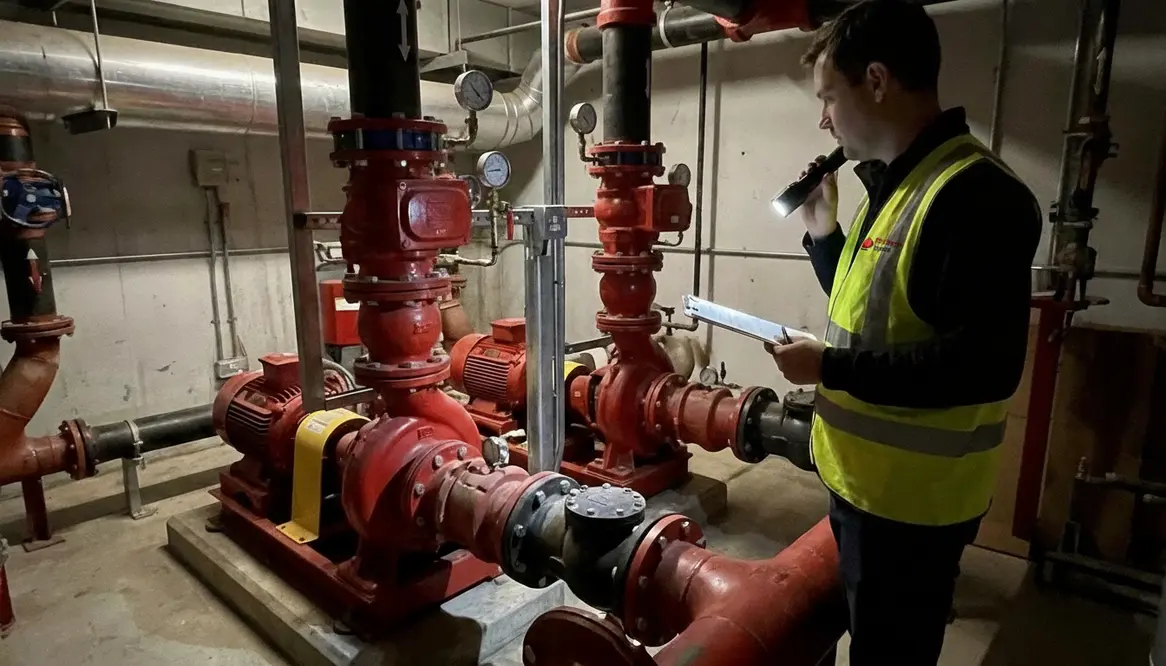
Fire Pump Compliance Checklist Los Angeles Guide
When I look at a fire pump compliance checklist los angeles for a commercial property, I do not see paperwork. I see time, safety, and the kind of calm that keeps a building running when pressure drops and alarms start singing their little opera. In Los Angeles, where commercial and industrial properties face strict rules and real risk, fire pump compliance is not a box to tick and forget. It is a system that must work on cue, every time, like a stage crew that never misses a cue in a Broadway show.
So, I keep my eyes on the whole picture. I check the pump, the power, the controls, the water supply, and the records. Then I make sure each part fits local code and NFPA 25 needs. That is how I help owners avoid fines, failed inspections, and the kind of surprise no one wants before a tenant meeting.
What I check first in a fire pump compliance checklist los angeles
I start with the basics, because that is where most problems hide. A fire pump can look fine and still fail under pressure. That is the trick. Like a movie trailer that sells the whole story, the outside can fool you.
First, I confirm the pump type, model, and location. Then I verify that the room stays clear, dry, and easy to access. I also check for proper labels, working lights, and enough space for service crews. If the pump room feels like a storage closet for random boxes and one old chair, I already know I have a problem.
Next, I review the system history. I want past test results, repair notes, and any sign of repeat trouble. A good compliance plan begins with knowing what the pump has already been through. That history tells me more than a quick glance ever could.
This is where a detailed fire pump compliance checklist los angeles earns its keep. When records, layout, and conditions match up cleanly, you can feel the system getting easier to manage and far easier to defend during an inspection.
How I verify testing and inspection records
Testing and inspection records matter because they show the pump did not just pass once and then coast. It must stay ready. I check monthly, weekly, and annual records to make sure the fire pump gets the right attention at the right time.
Records I expect to see
- Weekly or monthly pump checks completed on schedule
- Annual flow test results recorded clearly
- Churn pressure, suction pressure, and discharge pressure noted
- Any repairs or faults documented with dates and follow up
- Sign off from qualified service professionals
For a deeper look at testing steps, I often point teams to the NFPA 25 fire pump testing guide for commercial facilities, which helps explain how proper testing supports long term compliance. That kind of reference can save time, and frankly, it beats guessing. Guessing is for game shows, not fire protection.
Also, I make sure the records match the actual condition of the system. If the paper says one thing and the pump says another, I stop and dig deeper. Paperwork should tell the truth. In compliance work, truth is not optional.
Why power, water, and controls must work together
A fire pump does not work alone. It needs power, water, and controls that all cooperate like a strong ensemble cast. If one part fails, the whole system can stumble.
Dual view of the system
Power side: I check the main power source, backup power, and transfer controls. Then I confirm the pump can start when needed, even during an outage. In Los Angeles, where buildings often run hard and stay busy, backup readiness is not a luxury. It is the main event.
Water side: I confirm the supply line stays open, the suction source works, and valves remain in the correct position. I also look for leaks, corrosion, and blocked flow. Water should move cleanly and quickly. It should not act like it is stuck in traffic on the 405.
Controls side: I test the controller, alarms, gauges, and signal paths. If the controls fail, the operator may not know the pump needs help until it is too late. That kind of delay can turn a small issue into a big one fast.
Fire pump compliance checklist los angeles for local building owners
When I build a compliance plan for Los Angeles commercial properties, I keep it simple enough to use and strong enough to stand up during an inspection. Local owners need a working routine, not a binder that looks impressive and gathers dust.
Practical checklist steps
- Confirm the pump room stays clear and secure
- Verify signage, lighting, and access paths
- Review weekly, monthly, and annual test logs
- Inspect valves, gauges, controllers, and alarms
- Check power backup and transfer performance
- Watch for leaks, rust, vibration, and unusual noise
- Schedule repairs quickly when any issue appears
- Keep all documents ready for review
The one rule I repeat
I also recommend one simple rule: if something looks off, do not wait. Fire pump problems rarely fix themselves. They usually invite friends, and those friends are called repairs, delays, and citations.
Using a clear fire pump compliance checklist los angeles for your specific building keeps small issues from growing teeth. It turns scattered tasks into a routine that your team can actually follow.
FAQ
What I recommend next for your property
If you manage a commercial or industrial building in Los Angeles, I suggest you treat fire pump compliance as an active part of your safety plan, not a once a year chore. I can help you review records, inspect the system, and close any gaps before an inspector does. So, if you want a clear path to better readiness and fewer surprises, now is the time to act. Reach out, schedule a review, and keep your property ready when it matters most.
Building out a consistent fire pump compliance checklist los angeles for your site is not about making more paperwork; it is about buying quiet nights, confident inspections, and a system that performs when the alarms start singing again.