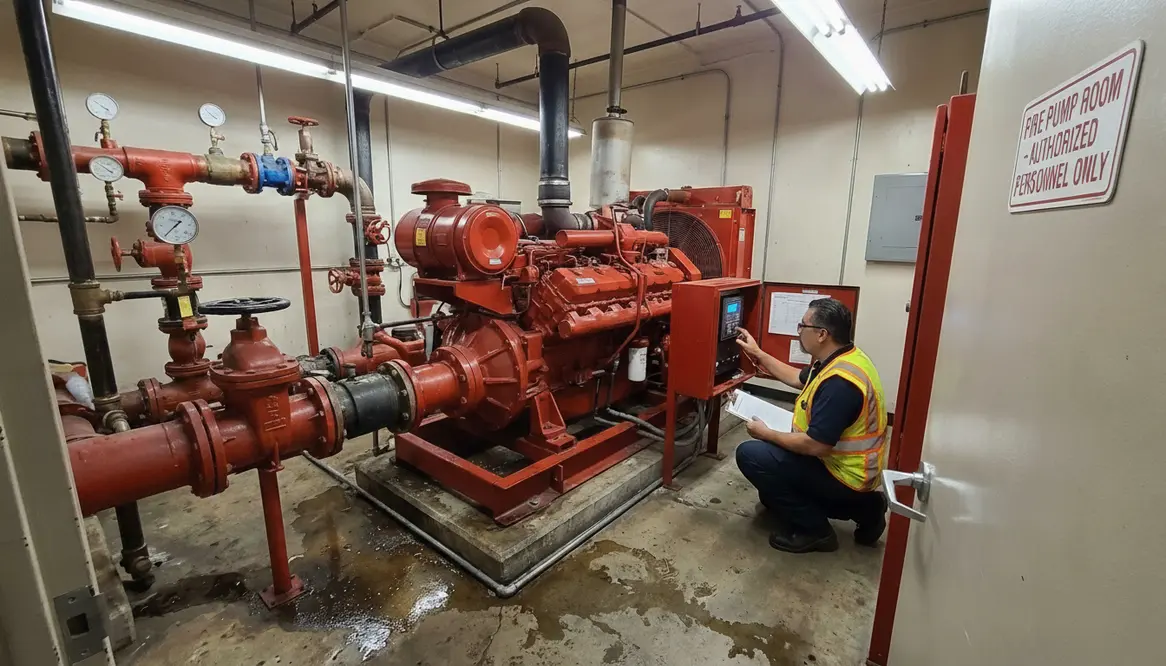
Los Angeles Fire Pump Annual Testing Requirements
Los Angeles Fire Pump Annual Testing Requirements Explained
I have seen enough fire pump rooms to know this much: the quiet ones usually matter the most. And when it comes to annual fire pump testing requirements los angeles, silence is not your friend. These systems sit in the background until the day they must perform without drama, without delay, and without excuses. For commercial and industrial buildings, and for major properties across Los Angeles, annual testing keeps the pump ready, the building protected, and the compliance box checked before anyone starts pretending paperwork is a hobby.
In this article, I will walk through what annual testing means, what gets checked, why Los Angeles property owners should care, and how to avoid the kind of problems that show up right when nobody wants them. It sounds simple, but as with most things in fire protection, the devil wears steel-toe boots.
What annual fire pump testing covers in Los Angeles
Annual fire pump testing is a full performance check of the pump and its support parts. I look at the pump under real operating conditions, not just a friendly glance and a pat on the back. The goal is to confirm the pump can deliver the pressure and flow the building needs during a fire event.
Key elements of the annual performance check
- Starting the pump automatically and manually
- Checking suction and discharge pressure
- Reviewing churn, rated, and overload performance
- Inspecting controller action and alarms
- Verifying the pump runs smoothly without odd vibration or leaks
For Los Angeles facilities, this matters even more because large commercial sites, warehouses, towers, and industrial properties often depend on pumps that work hard and sit ready for long stretches. If the pump fails, the whole fire protection chain starts to wobble. And nobody wants a hero moment to become a maintenance meeting.
How I prepare a fire pump for annual testing
Before the test starts, I make sure the system is safe, accessible, and set up for a proper run. That means I confirm the water supply, check the pump area, and review prior test records. I also look for anything that might skew results, like blocked strainers, valve issues, or controller trouble.
Here is the simple truth: a clean test tells the truth. A messy one tells stories. So I take time to inspect these basics first:
- Fuel supply for diesel units
- Power source for electric units
- Room temperature and ventilation
- Valve positions and clear access
- Recent repairs or changes
For a better breakdown of test steps and NFPA 25 alignment, I often point people to this NFPA 25 fire pump testing guide. It helps connect the dots between code needs and real world testing for commercial and industrial properties.
What inspectors and owners should watch during the test
I pay close attention to the numbers, but I also watch the machine itself. A pump can meet a pressure target and still act like it needs a long vacation. That is why the inspection goes beyond a quick readout.
Performance red flags during annual testing
- Pressure drop that hints at wear or blockage
- Delayed startup that could waste precious seconds
- Unusual noise, shaking, or heat
- Leaks at seals, fittings, or packing
- Controller faults or failed transfer on electric systems
Transitioning from numbers to performance matters because both tell part of the story. A pump with steady output and clean startup usually signals good health. On the other hand, a pump that sounds like a tired movie villain probably needs attention. And yes, I am being polite.
annual fire pump testing requirements los angeles for commercial properties
Los Angeles commercial and industrial properties face a practical challenge: fire pump testing must fit the building schedule without causing chaos. I work around tenant operations, production hours, and access limits, but I never compromise the test itself. The pump must prove it can do the job, and that is at the heart of annual fire pump testing requirements los angeles authorities expect you to follow.
Here is a quick look at how the process often breaks down:
Owner side
- Provide access to the pump room
- Share service records
- Notify building staff
- Prepare for water discharge control
Testing side
- Run the pump at key points
- Record pressure and flow data
- Check controller and alarm response
- Document issues and next steps
This kind of coordination keeps the test efficient and reduces disruption. More important, it helps property owners avoid surprise failures that can lead to costly repairs, failed inspections, or worse. The system should not wait until a crisis to reveal it has opinions, and that is exactly why annual fire pump testing requirements los angeles enforces are worth respecting long before renewal time comes around.
Common mistakes that cause failed results
I have seen a few recurring problems over the years, and they rarely arrive alone. One issue often invites another, like a bad sequel nobody asked for. Most failed tests come from maintenance gaps, poor access, or parts that have aged past their best days.
Trouble spots that sabotage compliance
- Low suction supply
- Worn bearings or seals
- Faulty controller settings
- Fuel problems on diesel pumps
- Corrosion or debris inside the system
When I find a problem, I do not just note it and move on. I explain what caused it, what it affects, and what should happen next. That approach saves time later and helps owners plan repairs before a small issue turns into an expensive headline. Staying in front of these issues is a smart way to respect annual fire pump testing requirements los angeles inspectors enforce without learning lessons the hard way.
FAQ
Below are some quick answers to questions that come up when people start talking about annual fire pump testing requirements los angeles property owners need to stay on top of.
Conclusion
I take annual fire pump testing seriously because it protects people, property, and peace of mind. If you manage a commercial or industrial building in Los Angeles, now is the time to review your fire pump status, schedule testing, and fix problems before they grow teeth. I recommend acting early, keeping solid records, and working with a team that knows the code and the equipment. Your building deserves a system that is ready, steady, and fully proven.