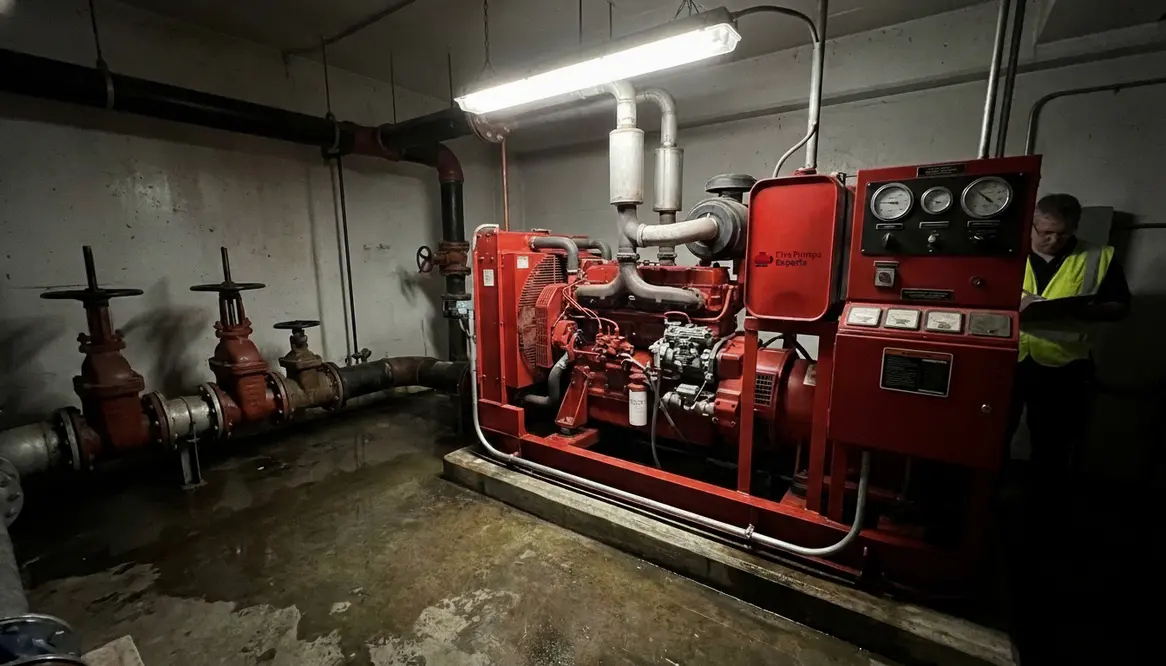
AS 2941 Diesel Fire Pump Compliance Guide
When I talk about fire protection for commercial and industrial sites, I start with one hard truth: the system must work when power does not. That is where the AS 2941 diesel fire pump earns its keep. It gives a building a steady water supply during a fire, even if the main electricity cuts out like a bad scene in a disaster movie. In plain terms, this standard sets the rules for how diesel fire pumps must be selected, installed, tested, and kept ready. For major properties, that is not just compliance. It is survival, plain and simple.
In this guide, I will walk through the core requirements, how they affect commercial and industrial facilities, and what I look for when checking if a system is truly up to standard. I will also point you to useful resources, including Kord Fire fire pump solutions and a Los Angeles fire pump resource for commercial sites.
AS 2941 Diesel Fire Pump Requirements
What AS 2941 means for commercial fire protection
AS 2941 is the Australian standard that covers fire pump sets for fire protection systems. I use it as the rulebook for diesel driven units in commercial and industrial buildings. It focuses on performance, reliability, and safe operation during an emergency. In other words, the pump must start fast, run clean, and keep delivering pressure when the building needs it most.
For large properties, this matters because fire risk does not care about office hours. A warehouse, plant, or high rise can face water demand that a weak setup cannot handle. Therefore, the standard pushes owners to use the right pump size, the right engine setup, and the right controls. It also keeps the system from becoming a fancy paperweight with a badge.
AS 2941 diesel fire pump requirements you should know
The standard covers several key areas, and each one plays a part in system reliability. I break them down below in the same way I explain them to facility managers who want the facts without the fluff.
- Pump selection: The pump must match the fire system demand. It should deliver the required flow and pressure without strain.
- Diesel engine setup: The engine must start quickly and keep running under load. Fuel supply, cooling, and batteries all need proper attention.
- Automatic start: The pump must start on pressure drop or another approved trigger. Nobody wants to jog to the pump room during a fire.
- Room conditions: The pump room needs safe access, proper ventilation, drainage, and enough space for service.
- Control equipment: Controllers, alarms, and monitoring devices must support fast response and clear fault notice.
- Testing and records: The system needs routine checks, load tests, and clear logs that prove it is ready.
Because diesel units rely on stored fuel and engine health, I pay close attention to battery charge, fuel quality, and exhaust setup. Small issues can become big issues fast. As Batman knows, gadgets only help when they work on cue. When you are working to the AS 2941 diesel fire pump standard, those details are not “nice to have.” They are the whole point.
How I check AS 2941 diesel fire pump compliance
I always start with the site itself. First, I look at the water demand, building type, and risk level. Then I compare that demand to the pump curve and engine output. If the pump cannot support the system under real fire conditions, it fails the basic test, no matter how neat the installation looks. An AS 2941 diesel fire pump is only as good as the match between what the building needs and what the unit can actually deliver.
Next, I review the pump room and hardware. The room must stay dry, ventilated, and easy to access. Also, the exhaust must move heat and fumes away from the unit. Diesel pumps need room to breathe, just like the rest of us before Monday meetings. After that, I check the start sequence, alarms, batteries, and fuel system. Every part must support automatic operation without delay. If the AS 2941 diesel fire pump control setup cannot prove readiness through inspection and logs, the system is not truly compliant.
AS 2941 diesel fire pump installation factors that matter most
Good installation turns a compliant pump into a dependable one. Poor installation does the opposite, and it does it with confidence.
Here is a quick side by side view of what I focus on during installation:
The layout must also allow easy maintenance. If the technician needs a maze map to reach the battery, the design needs work. I also recommend keeping the site documents close by, because clear records help during audits, repairs, and fire safety reviews. For any AS 2941 diesel fire pump installation, access and documentation are not “extra.” They are part of the readiness story.
Why testing and maintenance keep the system ready
Even the best fire pump loses value if nobody tests it. I see testing as the quiet hero of compliance. It catches weak batteries, fuel issues, starter faults, and worn parts before an emergency does the job instead. That is a much better time to find problems than in the middle of a live fire. A correctly maintained AS 2941 diesel fire pump gives you evidence, not hope.
Routine service should include visual checks, test starts, flow related checks, battery review, fuel checks, and controller inspection. In addition, any fault code or strange noise needs a fast response. Commercial and industrial facilities often run hard, so their fire systems must stay just as ready. If you own a major building, your pump set should never sit there hoping for the best. Hope is not a maintenance plan. Treat your AS 2941 diesel fire pump like critical infrastructure, because that is exactly what it is.
FAQ
If you manage a commercial or industrial site, I suggest reviewing your pump set now rather than later. A compliant AS 2941 diesel fire pump can protect property, people, and uptime when it matters most. For support, I recommend speaking with a fire protection specialist, checking your current setup against the standard, and keeping service records current. If you want a stronger system, take action today and make sure your fire pump is ready for the moment nobody wants but every building must face.
Bottom line: when the lights go out, the AS 2941 diesel fire pump is the one thing you cannot afford to gamble on. Get it right, keep it maintained, and let compliance do the quiet heavy lifting.