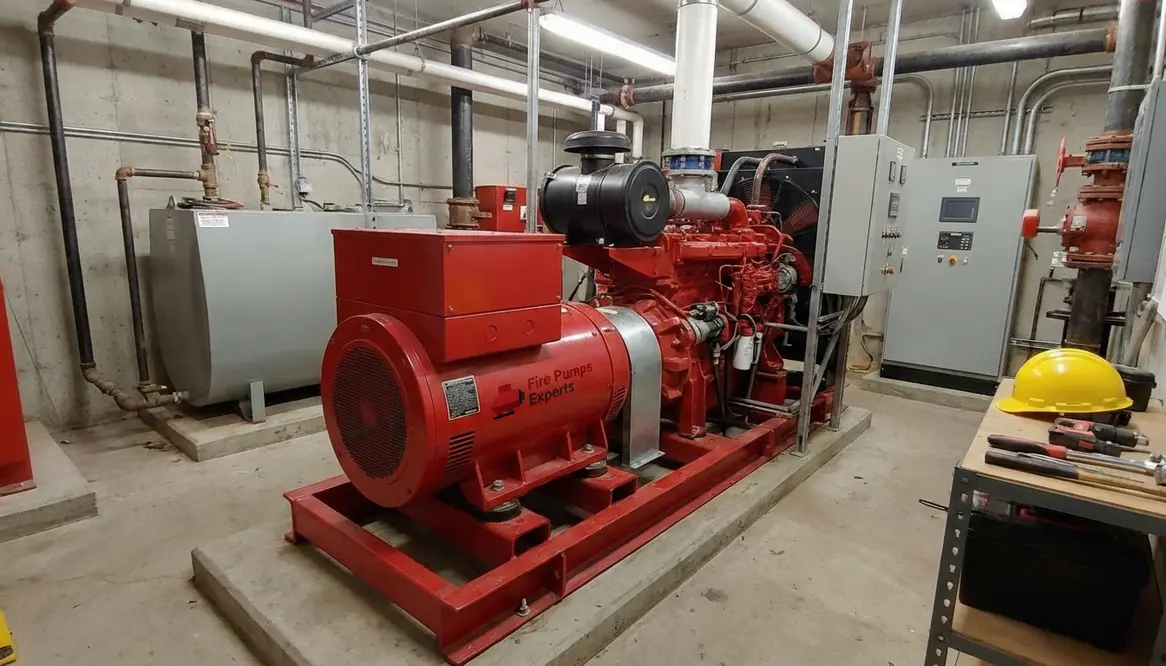
AS 2941 Diesel Fire Pump Requirements
The “quiet heavyweight” job
AS 2941 Diesel Fire Pump Requirements matter because a fire pump is not just another piece of plant gear. It is the quiet heavyweight in the back room, waiting for the day everything else fails. In my world, the AS 2941 diesel fire pump sits at the center of fire protection for commercial and industrial sites, major property buildings, and serious assets that cannot afford guesswork. If the building needs pressure when the mains drop, this is the system that steps up. And yes, it does so without asking for applause, which is honestly a shame.
Rules for real-world reliability
Here’s the point: the standard does not exist to make life harder. It exists to make sure the pump works when smoke is in the air and the clock is loud. So I look at the rules, the layout, the fuel supply, the testing, and the maintenance as one connected system, not as a pile of boxes to tick.
That mindset keeps the AS 2941 diesel fire pump ready to perform, not just ready to pass a glance.
A system, not a room
More than anything, AS 2941 ties the AS 2941 diesel fire pump to the full fire system. So I cannot treat the pump room like a lonely island. I need to look at water supply, suction conditions, discharge pressure, ventilation, exhaust, battery backup, and access for service. If one part slips, the whole chain weakens.
What AS 2941 requires in plain terms
AS 2941 sets the rules for how I select, install, commission, and maintain diesel driven fire pumps. It focuses on reliability first. That means I need the pump to start fast, run hard, and keep running under pressure. The standard pushes for proper pump sizing, safe engine support, sound fuel arrangements, and a setup that stays ready even when the power goes out. In other words, it wants the fire pump to act like a pro, not like a drama queen in a blackout.
More than that, the standard links the pump to the full fire system. So I cannot treat the pump room like a lonely island. I need to look at water supply, suction conditions, discharge pressure, ventilation, exhaust, battery backup, and access for service. If one part slips, the whole chain weakens.
How I check a compliant diesel fire pump installation
I start with the site. A fire pump for a commercial building or industrial facility needs enough room for safe access and service. I also check that the pump room supports the engine, the tank, and the control gear without crowding. Then I confirm the suction line has the right size and route, because poor suction can choke performance fast.
I also make sure the diesel engine can breathe, vent heat, and send exhaust away safely. Fuel quality matters too. So I verify the tank setup, fuel lines, filtration, and daily or weekly readiness checks. After that, I test controls, alarms, start functions, and the transfer process. Finally, I confirm the pump starts under load and delivers the required pressure. If it cannot do that, the paperwork may look neat, but the system is still a paper tiger.
AS 2941 diesel fire pump key checks for commercial sites
| Check point | What I look for |
|---|---|
Location |
Easy access, safe service space, and suitable protection |
Fuel system |
Enough diesel, clean lines, and reliable feed |
Ventilation |
Airflow for engine cooling and heat removal |
Testing |
Start checks, pressure checks, and load performance |
Maintenance |
Routine inspection, service logs, and fault response |
Why installation details matter more than people think
I have seen good pumps buried under bad installs. That is the twist nobody wants. A strong engine cannot fix bad pipe work, weak ventilation, or poor access. Therefore, the installation has to support the pump from day one. I pay close attention to vibration control, pipe alignment, and the space around valves and controls.
Also, I never ignore the practical side. Someone has to inspect this equipment, test it, and repair it without performing acrobatics worthy of a Marvel stunt scene. If maintenance staff cannot reach the parts they need, the design already has a problem. Good compliance feels boring in the best way. That is exactly what fire safety should feel like.
Where I find guidance and support
When I need extra guidance for commercial and industrial fire pump systems, I look at trusted industry sources and experienced fire protection teams. For a useful local resource, I often point people to Kord Fire solutions for Australian fire pumps. It helps keep the focus on practical systems that suit major buildings and demanding sites.
If the project needs a broader view of pump options and system needs, I also use los angeles fire pump solutions as a reference point for fire pump information. Good systems start with good information, and the better the source, the less chance I spend my day untangling avoidable trouble. When you are matching an AS 2941 diesel fire pump to a real site, knowledge beats guesswork every time.
FAQ: quick answers on AS 2941 diesel fire pump compliance
Final thoughts on getting it right the first time
If I want a fire pump system that works under pressure, I do not cut corners with AS 2941. I plan the install, verify the fuel and ventilation, test the performance, and keep the maintenance tight. That is how I protect major buildings and serious commercial sites without gambling on luck. If you need help choosing, checking, or maintaining a compliant AS 2941 diesel fire pump system, I am ready to help you get it right the first time.