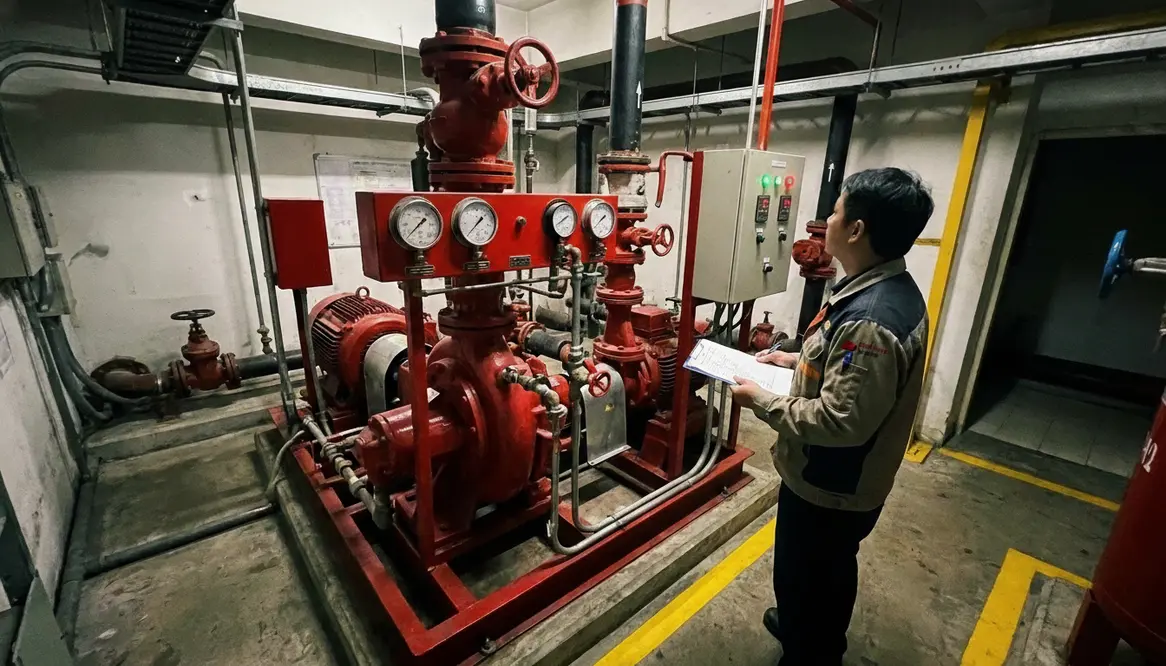
Fire Pump No Flow Test What It Proves and Why It Matters
I have learned that a fire pump no flow test is one of those jobs that sounds simple until you are the one standing beside the panel, the gauges, and the silent pressure build. In a commercial or industrial building, this test matters because it tells me whether the pump can start, hold pressure, and stay ready when the system needs it most. That is not drama. That is the kind of calm, practical proof that keeps big properties safe and compliant. And yes, it is a little like checking whether Batman still has the tools in the belt before the city starts melting down.
In this article, I will walk through how the test works, why it matters, what I look for, and how facilities can treat it as more than just another box to tick. I will keep it clear, direct, and useful for large commercial and industrial sites.
Quick Take
A fire pump no flow test confirms the pump behaves correctly under “demand with no discharge,” so your system does not just pass paperwork, it passes reality.
What It Proves
When I perform a fire pump no flow test, I am not trying to move water through the system. Instead, I am checking how the pump behaves when the system has demand but no water is flowing out of the test line. This helps me see the pump curve, pressure rise, churn performance, and whether the unit starts and runs as it should.
In plain terms, I want to know if the pump wakes up quickly, works under pressure, and stays stable. That matters because a pump can look fine on paper and still fail when the real world shows up uninvited. This test gives me real proof, not wishful thinking.
How I Run a Fire Pump No Flow Test
First, I inspect the site conditions and confirm that the system is ready for testing. Then I check suction and discharge gauges, valves, alarms, controller status, and power source. After that, I start the pump and let it reach churn, which is the no flow operating condition. During this stage, I record pressure, run time, and any changes in sound or vibration.
Next, I compare the results with expected performance values. If the pressure is too low, too high, or unstable, I dig deeper. That may point to a worn impeller, a faulty controller, weak supply, or another issue hiding in the shadows like a bad plot twist in a crime series. I also make sure the pump shuts down and resets correctly after the test.
Why Commercial and Industrial Facilities Need This Test
For large properties, this test is not just about maintenance. It is about risk control. A fire pump supports critical water pressure for sprinkler and standpipe systems, so failure can lead to major damage, business loss, and safety problems. That is why I focus on commercial buildings, industrial plants, warehouses, hospitals, and major properties where downtime hurts more than pride.
Also, regular testing helps spot small issues before they grow teeth. A slight pressure drop today can become a full system failure later. And nobody wants to discover that during an emergency, because that would be the fire safety version of finding out your brakes work best on a hill.
What I Check During Testing and Why It Matters
Here is a simple look at the main things I review during a no flow pump test:
| Item | Why I check it |
|---|---|
Churn pressure |
Shows how the pump holds pressure with no water demand |
Controller action |
Confirms the pump starts and responds properly |
Vibration and noise |
Helps spot wear or mechanical trouble early |
Power or engine condition |
Shows whether the pump can keep running under load |
Valve positions and gauges |
Helps verify the system is set up correctly |
These checks give me a full picture of pump health. They also help me explain the condition of the system in plain language, which clients usually appreciate more than a wall of technical notes that reads like a legal thriller with less excitement.
How I Use Test Results to Plan Maintenance
Once I finish the fire pump no flow test, I do not treat the results like a trophy. I use them to guide next steps. If the pump performs well, I document the readings and keep the system on schedule. If I see warning signs, I recommend follow up service before the issue gets worse.
That is where good records matter. Trend data shows whether performance stays steady or begins to drift. As a result, I can help property teams plan repairs, reduce surprise failures, and keep compliance work clean and organized. If you want a broader look at fire pump care, I also suggest reviewing the resources on kordfire fire pump services, since good planning always beats emergency guesswork.
When to Schedule a No Flow Test
I usually recommend testing during planned maintenance windows so the building can stay protected without disrupting operations. For busy facilities, that means coordination is key. I want the test to happen when staff, contractors, and safety teams can all work together smoothly. In addition, I always remind teams that the goal is not to create inconvenience. The goal is to make sure the system performs when it matters most.
For reference, I also point people to los angeles fire pump testing and service when they need local support and a closer look at service options for large properties.
FAQ
Conclusion
If you manage a commercial or industrial property, I suggest treating the fire pump no flow test as a serious habit, not a side note. It gives you proof, reduces risk, and helps keep your fire protection system ready for the moment that counts. So, if your building needs dependable service, schedule a proper inspection and test cycle now. Your pump should be ready before anyone needs it, because emergencies do not wait for convenient timing.