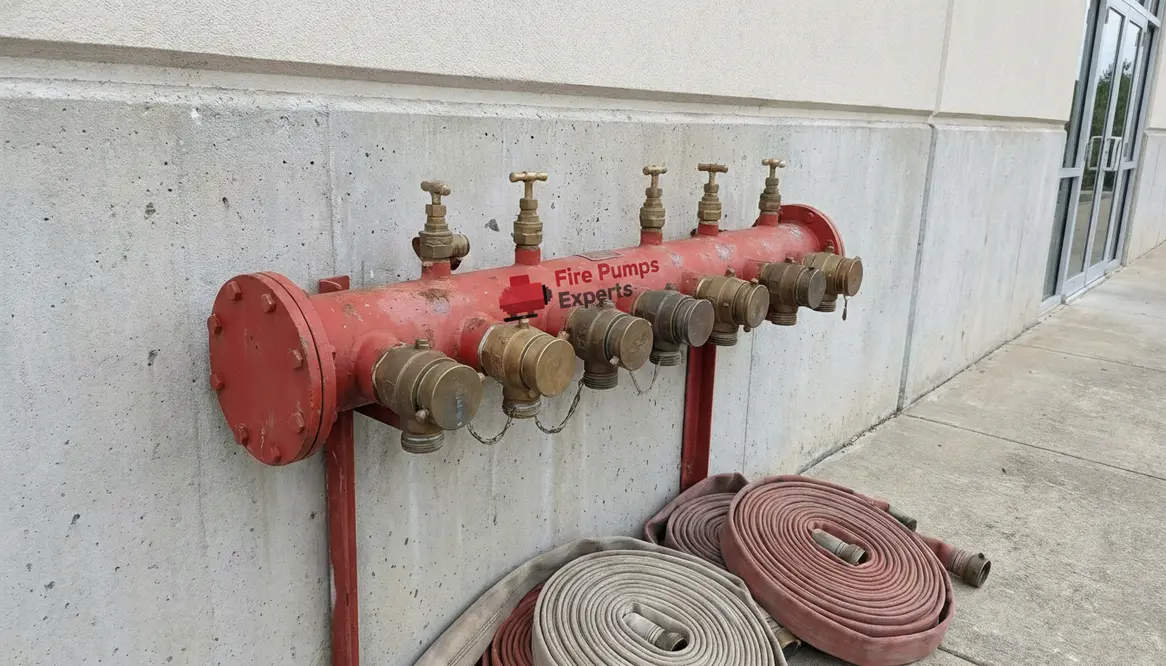
Fire Pump Test Header: Key to Safe System Testing
Fire Pump Test Header Explained
When I talk about a fire pump test header, I am talking about one of the most practical parts of a fire protection system. It gives me a clean way to test pump performance without putting the whole building at risk. In plain English, it helps me see whether the pump still has the strength to do its job when things get hot, loud, and very unfun in a hurry. For commercial and industrial facilities, plus major property buildings, this is not a side note. It is part of keeping water pressure ready when the system needs it most.
And yes, it sounds about as glamorous as a tax form, but it matters. A lot.
What you get from the fire pump test header
- A controlled discharge point for testing
- Measured flow and pressure under real conditions
- Faster detection of wear before it becomes a problem
What a fire pump test header does in a building
The fire pump test header gives me a place to discharge water during a test. That lets me measure flow and pressure while the pump runs under real conditions. So, instead of guessing, I get data. That data tells me if the pump can deliver what the system expects.
In a large facility, I do not want surprises. I want proof. Therefore, the test header helps me confirm that the pump, pipes, valves, and controls all work together. It also helps me catch wear before it turns into a problem. Think of it like a fitness check for the system. Nobody wants a fire pump that only looks strong on paper. That would be a very expensive actor.
Where the fire pump test header fits in the test process
I use the test header during scheduled inspections and performance tests. First, I connect the test setup through the header. Then, I open the needed outlets so water can flow safely away from the building system. After that, I watch the readings and compare them to the expected pump curve and code needs.
Because the fire pump test header handles discharge outside the main sprinkler lines, I can test without flooding the protected area. That is the whole point. It keeps the process controlled, and it gives me a better look at pump health. Also, it keeps everyone from having a very bad day with mops and wet drywall.
For facilities that need steady fire protection, this step is not optional in spirit, even if some folks treat it like one. Regular testing protects the investment, supports code compliance, and helps keep the building ready for real emergencies.
How I read the results from a fire pump test header
I focus on three main things: pressure, flow, and consistency. If the pump shows weak pressure, I look for issues like clogged strainers, valve problems, engine trouble, or wear inside the pump. If flow drops over time, I know something in the system may be changing. If readings jump around, I pay even closer attention, because instability often points to a deeper issue.
Here is the simple truth: numbers tell a story. A good fire pump test header test does not just say “pass” or “fail.” It shows how the pump behaves under load. That matters because a pump can seem fine during normal use and still struggle when pushed. In fire protection, “seems fine” is not a plan. It is a plot twist nobody asked for.
Why commercial and industrial sites need regular testing
Commercial and industrial sites face higher risk because they often hold valuable stock, heavy equipment, or large numbers of people. Major property buildings also depend on stable fire protection because a failure can affect many tenants, operations, and lives at once. So, I treat fire pump testing as a core maintenance task, not just paperwork.
Regular testing helps me spot issues early, reduce downtime, and support long term system reliability. It also helps facility teams stay ready for audits and inspections. When I work with buildings that have complex fire systems, I like to keep the process simple, clear, and on schedule. That approach saves money, time, and a lot of stress. And frankly, stress is already getting enough screen time.
How I keep testing simple with the right partner
When I need support, I look for a team that knows fire pump systems inside and out, especially in commercial and industrial settings. For a helpful overview of system care, I may also review Kord Fire safety solutions. If I need local service insight, I can also check los angeles fire pump service for more details on pump related support.
At a glance
Test header purpose: It lets me discharge water safely during pump testing.
Main benefit: It helps me measure pump pressure and flow.
Best use: It supports testing in large commercial, industrial, and major property buildings.
Key result: It helps me find problems before an emergency does.
FAQ
Final thoughts and next step
If I want a fire protection system that stays ready, I cannot ignore the fire pump test header. It gives me real proof, not hopeful guessing. So, I make testing part of the routine, keep the readings honest, and stay ahead of trouble before trouble arrives with a torch and a bad attitude. For commercial and industrial facilities, plus major properties, that kind of discipline protects people, property, and peace of mind. If I need help, I take the next step now and get the system checked properly.