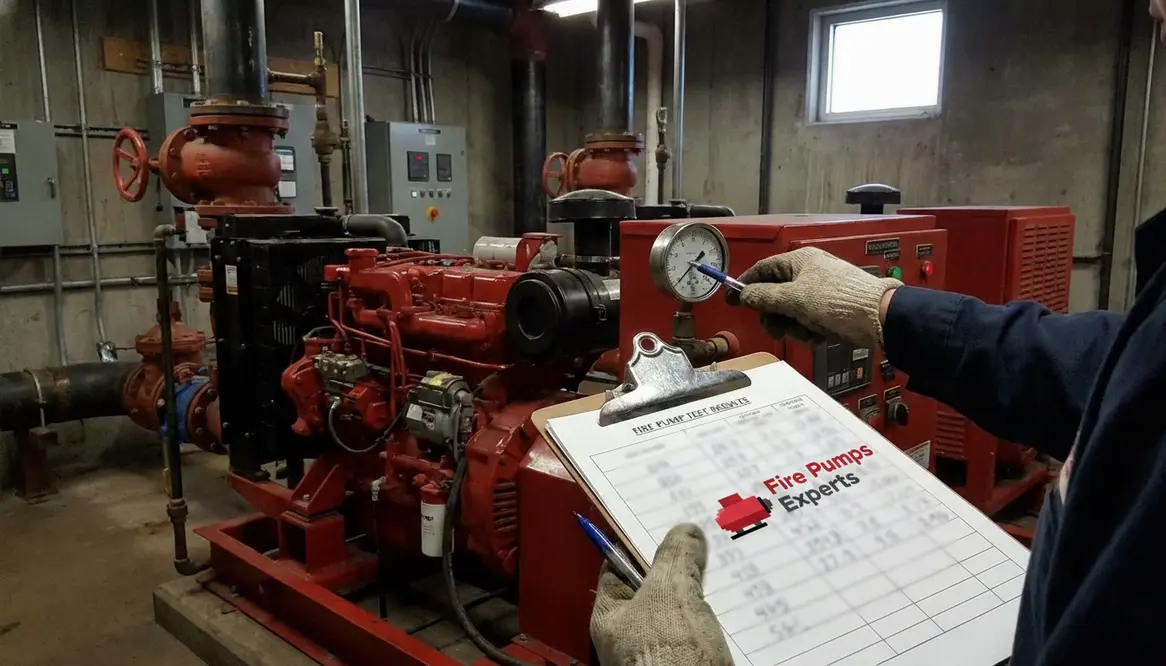
Fire Pump Test Results Reading Signs and Actions
When I look at fire pump test results, I do not just see numbers on a page. I see a story about pressure, flow, and whether a commercial or industrial fire system will do its job when the heat is real. That matters, because in a major property building, a weak pump is not a small headache. It is the kind of problem that can turn a normal day into a very bad episode, and nobody wants that sequel. In this guide, I will break down what the readings mean, how I read the signs, and what actions make sense next.
Quick mindset for reading fire pump test results
Do not treat the report like a photo. Read the pressure, watch the flow, and connect every change to what the system will need during a real fire event.
That is how fire pump test results become an action plan, not just a stack of paperwork.
How I Read Fire Pump Test Results
First, I look at the main numbers: suction pressure, discharge pressure, flow rate, and churn performance. These values show how the pump behaves under load. If the pressure stays steady and the flow matches the expected range, the pump is doing its job. However, if the discharge pressure drops hard when demand rises, I start asking questions fast.
Next, I compare the results with the pump curve and the system design. This step matters because a pump can look fine at idle and still struggle under real demand. In other words, the system may pass the “looks good from here” test while still failing the “save the building” test. That is where the details earn their keep.
Fire Pump Test Results Explained for Commercial Sites
For commercial and industrial facilities, I focus on patterns, not just single readings. A healthy test often shows:
- Strong pressure at churn
- Stable flow as demand increases
- No strange vibration or noise
- No major drop in performance across test points
Meanwhile, warning signs can include low suction pressure, weak discharge pressure, or a pump that takes too long to recover. These issues may point to supply trouble, worn parts, valve problems, or poor maintenance. Also, if the pump runs like it had one too many coffees and still cannot hold pressure, I know I need to dig deeper.
At this stage, I also think about the building type. A high rise, warehouse, or large plant will not respond the same way. So, I weigh the test results against the real risk at the site, not just a generic checklist from somewhere in the internet wild.
What the Numbers Mean in Practice
Pressure readings
These show whether the pump can push water with enough force. If pressure stays within range, the system can support sprinkler demand.
Flow readings
These show how much water the pump can move. If flow falls short, the pump may not meet fire protection needs during a real event.
After that, I look at how the numbers change across the test. A small dip can be normal. A sharp fall is not. Also, a pump that passes one point but fails another may still need service, because the real world does not care about cherry picked success. It wants full performance.
Then I check for signs outside the raw data. Heat, leaks, unstable power, or air in the line can all distort the outcome. So, I never treat the report like a lonely island. I connect it to the whole system.
When I Treat the Result as a Red Flag
I treat the result as urgent when the pump cannot hold required pressure, cannot reach design flow, or shows repeat problems over more than one test. Also, if I see sudden changes from the last report, I take that seriously. Fire pump systems do not usually improve by accident. They need attention, care, and a bit of respect.
In those cases, I recommend a full review of valves, controller function, suction supply, and pump condition. This is where a trusted provider matters. I like to check a site such as Kord Fire pump service support when I want a deeper look at service options for major properties. For local search needs, fire pump test results and service planning can also benefit from referencing los angeles fire pump testing and service when facility teams are mapping next steps.
And yes, maintenance may sound dull on paper. But so does a superhero until the building needs one.
What I Do After the Test
Once I review the findings, I move in a clear order:
- I confirm whether the pump meets the design goal
- I compare the result with past reports
- I flag any repair or follow up needs
- I schedule the next test and service date
Then I share the result in plain language with the people who manage the site. That keeps decision making simple. If the pump passes, I still track trends. If it fails, I act fast, because delay is a poor business plan when fire protection is involved.
So, I use test results as more than a score. I use them as a guide for risk, repair, and long term reliability. That way, the system stays ready, and the building stays protected. With solid fire pump test results, the site is not guessing. It is planning.
FAQ
Conclusion
If you want to stay ahead of trouble, I suggest you treat fire pump test results like a health check for your property’s fire defense. Read the pressure, watch the flow, and pay attention to any change from the last report. Then act before a small issue becomes a costly one. If you manage a commercial or industrial facility, now is the time to review your latest results and schedule service with a trusted fire pump team. Strong fire pump test results keep the building ready, and that is the whole point.