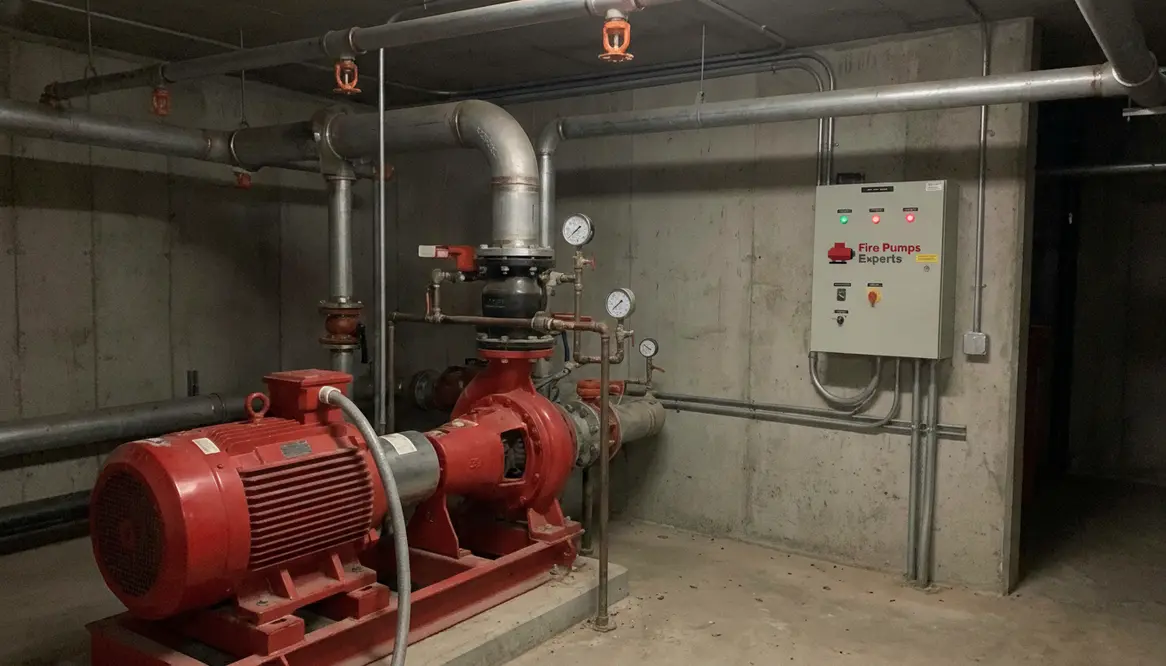
How Fire Pumps Work With Sprinkler Systems
When I talk about a fire pump sprinkler system, I like to think of it as the quiet heavyweight in the room. It does not ask for applause. It simply shows up when water pressure drops and keeps the sprinkler system ready to do its job. That matters a lot in commercial and industrial buildings, where a weak water supply can turn a small fire into a very expensive problem. So, if you manage a warehouse, high rise, plant, or other major property, this setup is not just equipment. It is part of the building’s survival plan.
Now, let me walk you through how it works, why it matters, and how the pieces fit together without turning this into a boring tech lecture. Nobody asked for that, and frankly, I respect your time.
What a Fire Pump Does in a Sprinkler Setup
A fire pump boosts water pressure when the normal supply cannot keep up. That is the simple answer. In a sprinkler system, the pump helps push water through pipes fast enough to reach open sprinkler heads during a fire event. When heat activates a sprinkler head, water must move with enough force to cover the fire area properly. If pressure falls short, the system may not perform as it should.
In commercial and industrial spaces, that pressure boost often makes the difference between a controlled event and a full scale response. I have seen people assume city water alone will do the job. Sometimes it will. Sometimes it will not. And in fire protection, “sometimes” is not the kind of confidence anyone wants.
How the System Starts Up
The process begins the moment the sprinkler system senses a fire and one or more sprinkler heads open. That change in water flow drops pressure in the pipes. Then the fire pump controller reads that drop and starts the pump. The pump then draws water from a supply source and sends it through the sprinkler piping at the needed pressure.
Here is the key point. The pump does not run all the time. It waits in standby mode until the system calls for it. That means it responds fast, but only when needed. Think of it like a movie action hero who sleeps through most of the film and then suddenly saves the day. Very efficient. Very dramatic. Very useful.
What Parts Work Together Inside the System
The fire pump sprinkler system works best when every part plays its role. I like to break it down like this:
- 1. Water Supply The source may come from a tank, a city line, or another approved supply.
- 2. Fire Pump The pump raises water pressure so the sprinkler lines can do their job.
- 3. Controller This unit starts and stops the pump based on pressure needs.
- 4. Sprinkler Piping The network moves water through the building.
- 5. Sprinkler Heads These activate from heat and release water over the fire area.
Each part depends on the others. If one piece fails, the system loses strength. That is why testing and maintenance matter so much. A fire protection setup is a team sport, and I mean that in the least glamorous way possible.
Why Pressure Matters So Much
Water pressure is the heart of the system. Sprinklers need enough pressure to cover the right area and deliver the right flow. Without that, water may trickle instead of spray. And a weak spray is not much help against a growing fire.
Commercial and industrial buildings often face pressure problems because they use large pipe networks, tall structures, or complex layouts. In those settings, a pump helps keep the entire system balanced. It supports the sprinkler heads on upper floors, across wide storage areas, and through long pipe runs. In other words, it keeps the system from acting like it forgot its purpose halfway through the job.
When I Recommend Checking the Design
I always tell owners and facility teams to review the system design before trouble shows up. A proper fire pump setup should match the building size, water supply, hazard level, and sprinkler demand. That is especially true for major properties like warehouses, manufacturing sites, data centers, and large office buildings.
If the design is off, the pump may be too small, too large, or simply mismatched with the sprinkler demand. That can lead to waste, delays, or poor fire control. For a good reference on fire protection service support, I suggest reviewing commercial fire protection solutions. If you need a more local search view, you can also look at los angeles fire pump services for related system details.
How I Think About Testing and Maintenance
Testing keeps the system honest. A fire pump may look fine on the outside, yet still struggle when called into action. Regular checks help confirm that the controller works, the pump starts on time, and the water flow stays within range. I also want the pressure readings verified, because guesswork has no place in fire protection.
Maintenance teams should inspect valves, power supply, suction lines, and alarm signals. They should also test the pump under real conditions, not just assume it will behave like a well trained actor on cue. Reliable systems earn trust through proof, not optimism.
FAQ
Conclusion
If I had to sum it up, I would say this: a fire pump gives a sprinkler system the strength it needs when water pressure falls short. For commercial and industrial facilities, that support can protect people, property, and operations. So do not wait until an emergency exposes a weak link. Review your system, check the design, and make sure every part is ready. If you want better fire protection, start with a stronger plan today.
If you are building or maintaining a fire pump sprinkler system, the goal is simple: dependable pressure at the exact moment it is needed most.