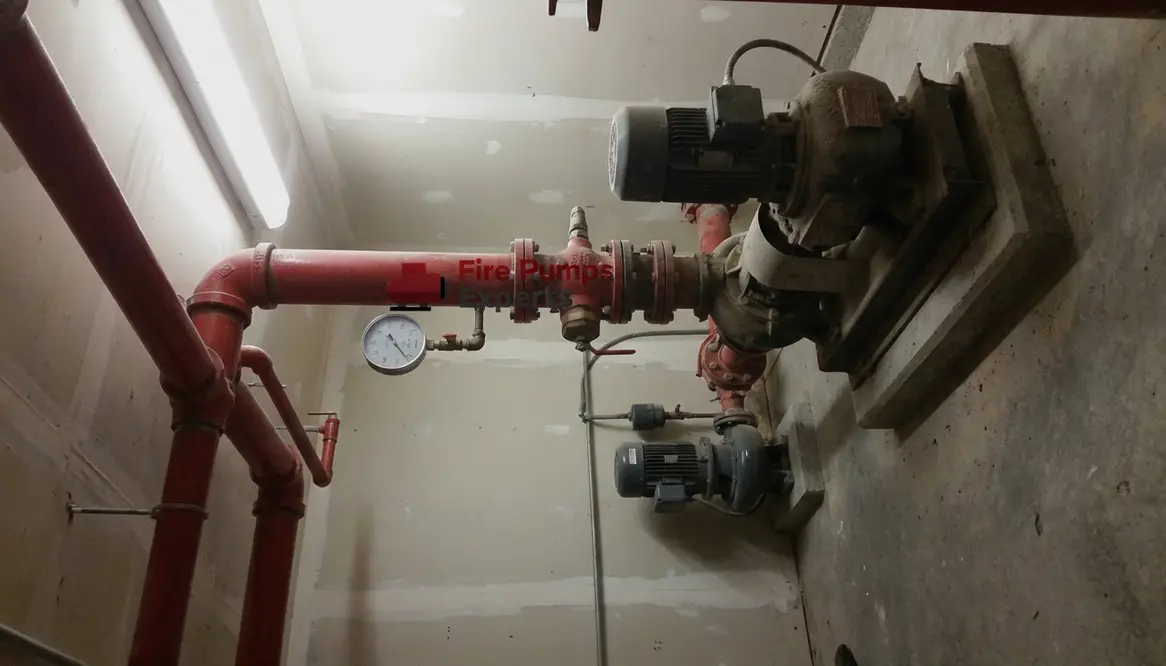
Fire Sprinkler Pumps and Water Pressure in Buildings
Do Fire Sprinkler Systems Need a Fire Pump? I get this question a lot, and for good reason. A fire sprinkler system can look simple on the ceiling, but behind the scenes, water pressure does the heavy lifting. That is where a fire sprinkler pump may come into play. In some buildings, the system has enough pressure on its own. In others, the water supply is a bit too shy for the job, and the pump steps in like the reliable backup singer who suddenly saves the whole show.
So, do sprinklers always need a pump? No. But in commercial and industrial properties, the answer often depends on water supply, building height, pipe layout, and system demand. Let me walk through the real world logic behind it, without the jargon headache.
Quick answer, no fog
A fire sprinkler pump is needed when the building’s available water pressure and flow cannot meet the system design. If the supply already performs, the pump often isn’t required.
That decision is based on calculations, not vibes.
What pressure really means
Sprinklers don’t magically work because water exists. They need the right discharge at the right location, at the right time, while pressure losses happen along the way.
A fire sprinkler pump can bridge that gap when the supply falls short.
When a Fire Sprinkler System Can Work Without a Pump
A sprinkler system does not need a fire sprinkler pump if the water supply already delivers enough pressure and flow to meet the system design. That happens more often in smaller buildings, low rise properties, and sites with strong municipal water service. In those cases, the city supply does the job without extra help.
Still, I never assume pressure is enough just because the tap runs fast in the break room. A proper hydraulic calculation tells the truth. It checks whether the available water can reach the most remote sprinkler and still perform as required. That is the part that separates a working system from a very expensive ceiling decoration.
Here are the main factors I look at:
- Available water pressure from the source
- Required sprinkler flow for the hazard level
- Building height and pipe length
- Water demand from other fire protection equipment
- Local code and insurance requirements
When a fire sprinkler pump becomes necessary
Once the building gets larger, taller, or more complex, the water system often needs help. A fire sprinkler pump boosts pressure so the sprinkler heads can discharge the right amount of water when a fire breaks out. That matters most in warehouses, factories, high rise buildings, hospitals, and large commercial sites where the water must travel farther and faster.
In my experience, a pump becomes necessary when the supply can’t meet the system demand on its own. The pump does not replace the water source. Instead, it supports it. Think of it like a turbocharger for life safety, except this one is not for a sports car and does not care about your weekend plans.
Common reasons for a pump include:
- Low municipal water pressure
- Large fire protection demand
- High ceiling or multi story construction
- Long pipe runs with pressure loss
- Special hazard areas with higher water needs
How I check if your building needs a fire sprinkler pump
I start with the water supply test. Then I review the sprinkler design, occupancy type, and total demand. After that, I compare what the system needs against what the supply can actually give. If the math shows a shortfall, then the fire sprinkler pump enters the picture.
That process matters because every site is different. A distribution center and an office tower do not play by the same rules. Likewise, a storage building with high piled goods may need much more water than a simple retail space. So, I always look at the whole system, not just one part of it.
Simple comparison for building owners
The table below shows the usual split in plain language.
| Water Supply | System Need |
|---|---|
| Strong enough | Pump may not be needed |
| Too weak | Pump usually needed |
| Borderline supply | Pump may still help meet code and design goals |
| Large or tall building | Pump often required |
Why commercial and industrial sites should pay close attention
For commercial and industrial properties, the stakes are higher. These buildings often have more floor area, more stored material, and more risk of fire spread. As a result, a weak water supply can turn into a serious problem very fast. The right fire sprinkler pump helps the sprinkler system stay ready when seconds matter.
Also, insurance carriers, code officials, and fire protection engineers often expect a system that can prove its performance on paper and in the field. That is why I like to treat the pump decision as a design question, not a guess. Guessing works great for movie plot twists. It works terribly for fire protection.
For a deeper look at system planning, I recommend reviewing commercial fire pump solutions from Kord Fire, which can help support proper system design and compliance for larger properties. If you need local support in the United States, you can also review los angeles fire pump services for more details.
What I want you to remember before you decide
A sprinkler system does not automatically need a fire sprinkler pump. However, many commercial and industrial buildings do need one because the available water cannot meet the system demand by itself. The only safe way to know is to test the supply, run the calculations, and match the equipment to the building. That is how I keep the system ready, the code folks happy, and the fire risk down where it belongs.