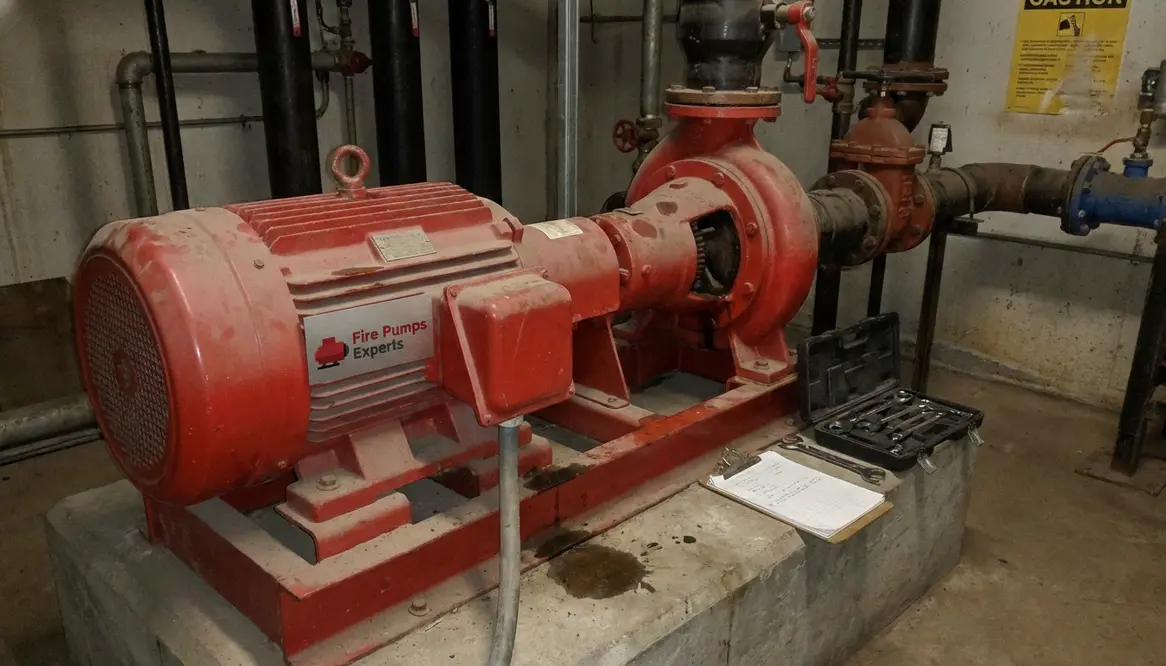
Fire Pump Repair or Replacement Which Is Better
When I look at fire pump repair vs replacement, I do not start with guesswork. I start with risk, cost, and how much life the pump still has left in it. For commercial and industrial buildings, a fire pump is not a nice extra. It is the muscle behind the sprinkler system, and when that muscle gets tired, the whole building feels it. So the real question is not just what is cheaper today. It is what keeps your property safer, compliant, and ready when things get ugly. And yes, that is the kind of drama nobody wants on a Tuesday.
If you manage a large facility, a tower, a warehouse, or a major property, this decision can shape your maintenance budget for years. So let me break it down in a way that is clear, practical, and useful.
How I Decide Between Repair and Replacement
I first look at three things: the age of the pump, the type of failure, and the condition of the full system. If the issue is small, like worn seals, bad bearings, wiring faults, or a pressure switch problem, repair often makes sense. However, if the casing is cracked, the pump has repeated breakdowns, or the unit no longer meets current demand, replacement usually wins.
In simple terms, I ask whether the pump is sick or simply old. A sick pump may recover. An old one may be trying to retire without telling anyone. That is not ideal when the building depends on it.
Signs Your Pump Still Makes Sense to Repair
Repair is usually the smart move when the fire pump still has a solid base. I look for these signs:
- The main frame and casing are in good shape
- The motor or driver still performs within range
- The failure came from one part, not the whole unit
- Spare parts are easy to get
- The pump passed recent flow or performance checks
Also, repair works best when downtime must stay short. If I can fix the issue fast, restore service, and avoid a long shutdown, that helps the building stay protected without blowing up the budget. Even Batman had backup gear, and your fire pump deserves the same level of respect.
When Replacement Is the Better Call
Replacement often becomes the better choice when repairs keep stacking up. If the pump needs constant attention, I start to see a pattern. That pattern usually means the unit is past its best years. Likewise, if the pump cannot keep pressure, cannot support the building’s demand, or fails key tests, I do not waste time pretending a patch will solve a deep problem.
Here is a simple rule I use: if repair costs keep getting close to replacement costs, replacement deserves a hard look. That is not fancy. It is just math wearing work boots.
Repair vs Replacement Cost Comparison
Still, I do not choose based on price alone. A cheap repair that fails again next quarter is not a bargain. It is just a delay with better branding.
How Compliance and Risk Shape the Decision
For commercial and industrial facilities, compliance matters just as much as cost. I always check whether the pump still meets current fire protection needs and local rules. If the system has outdated parts, weak performance, or poor service history, replacement may reduce risk and help protect the property from future issues.
That is also why I like to review trusted service resources before making a final call. For example, a good starting point is the Kord Fire pump service reference, which can help frame what strong maintenance and repair support should look like. In the same spirit, if you want a local service example, I recommend reviewing los angeles fire pump service as a useful point of comparison for commercial fire pump care.
What I Recommend for Major Properties
For large buildings, I usually take a layered approach. First, I inspect the full system. Then I test the pump under real conditions. After that, I compare the repair quote against the cost of a new unit, plus the cost of future downtime. That gives a much clearer picture.
If the pump is still dependable and the failure is isolated, I lean toward repair. However, if the unit is aging, underperforming, or becoming a repeat problem, I lean toward replacement. In major properties, the goal is not to squeeze one more season out of a tired system. The goal is to keep the fire protection ready every day, not just when someone remembers to check it.
FAQ
Conclusion
When I weigh fire pump repair vs replacement, I look beyond the invoice. I look at safety, reliability, compliance, and the long term cost to the building. If you manage a commercial or industrial property, I suggest getting a full inspection, comparing both options, and choosing the path that protects your system best. If you want, I can help you turn this into a service page or a local SEO version next.