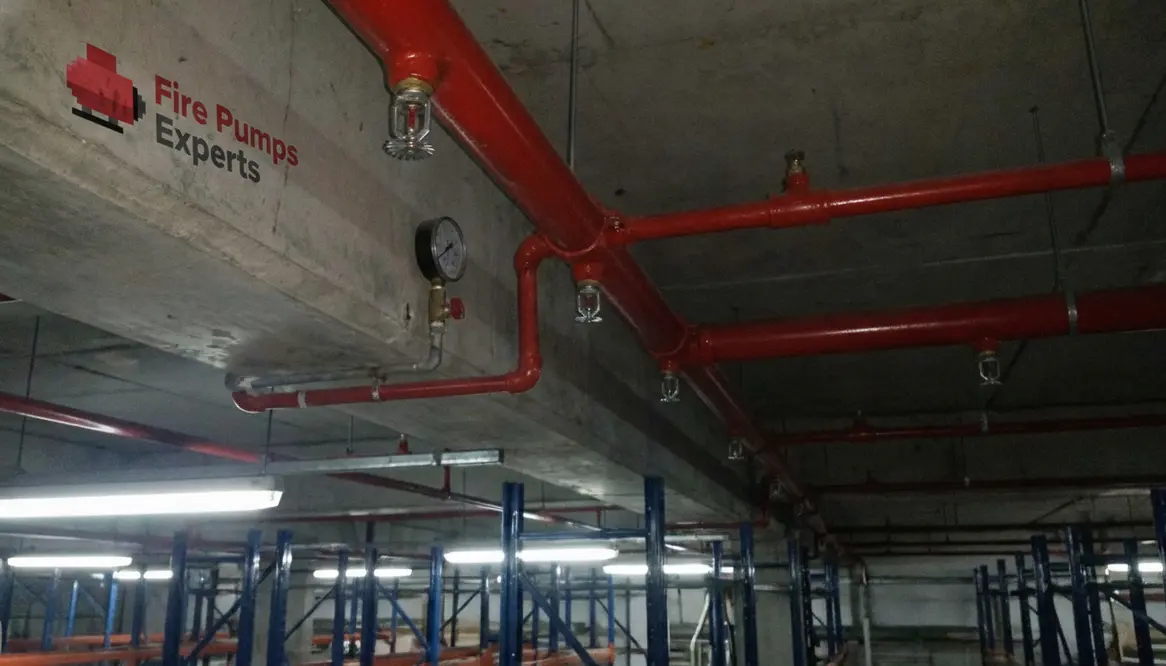
Fire Sprinkler System Design Australia for Properties
Fire sprinkler system design Australia is not just about pipes, pumps, and nozzles. I treat it as the quiet backbone of fire protection for commercial and industrial buildings, where every second counts and every detail matters. When I design or review a system, I focus on how it will behave in the real world, not just on paper. Because in a fire, paperwork does not put out flames. Water does. And usually, it does it with far less drama than a bad Hollywood sequel.
This matters most for major properties, where risk, compliance, and business continuity all sit at the same table. So, in this article, I walk through how I approach the process in Australia, what makes a system work properly, and where smart planning saves time, money, and a whole lot of stress later.
How I plan a sprinkler system for a commercial site
I start with the building, not the sprinkler. That sounds simple, but it changes everything. First, I look at building use, floor area, ceiling height, storage layout, fire load, and water supply. Then I match the system to the risk. A warehouse full of packed goods needs a different setup from a multi level office tower or a manufacturing plant with heat and dust in the air.
Next, I check the local code path and the Australian standards that apply. I also look at how the site operates day to day. For example, if forklifts move through storage areas, I need to think about pipe protection and head placement. If the site runs 24 hours, I need a design that keeps disruption low. In other words, I design for how people actually use the building, not for some perfect imaginary world where everyone labels every pallet neatly. That world does not exist.
What fire sprinkler system design Australia must cover
Good fire sprinkler system design Australia work has to cover far more than water delivery. It must cover hydraulic demand, sprinkler spacing, head type, pipe sizing, pump needs, tank capacity, and alarm interaction. It also has to support the building’s fire strategy as a whole.
Here is where many people trip up. A sprinkler system is not just a row of heads on the ceiling. It is a linked system. If one part fails, the rest can suffer. Therefore, I look at the complete chain from water source to discharge. That includes pressure, flow, valve control, and backup supply. I also check how the system will perform during peak demand, because “it should be fine” is not a design method. It is a polite gamble.
To keep the process clear, I often break it into two parts:
Design layer
- Risk classification
- Hydraulic calculation
- Sprinkler head selection
- Pipe layout
- Water supply review
Build layer
- Coordination with other trades
- Installation access
- Testing and commissioning
- Maintenance access
- Final compliance checks
Why compliance and standards matter in Australia
In Australia, compliance is not a box ticking exercise. It is the line between a system that protects people and property and one that only looks impressive at handover. I always keep the relevant Australian Standards and local authority requirements in view, because each site must align with its use and fire risk.
That means I verify the drawings, calculations, and performance expectations before installation begins. I also keep an eye on certification and documentation, because future maintenance teams need clear records. Without them, even a strong system can become hard to manage. And yes, fire safety paperwork can feel like the long credits after a Marvel film, but those credits still matter.
Where design mistakes usually happen
Most mistakes happen when people rush the early stage. They choose the wrong sprinkler type, ignore storage changes, or forget that a pump room needs proper access and ventilation. Sometimes, a designer treats the building like a neat blank page. But real sites come with beams, ducts, tenants, equipment, and last minute layout changes that arrive like plot twists.
I also see trouble when teams fail to coordinate with mechanical, electrical, and structural trades. A sprinkler line may clash with ductwork or lighting. Then the site team has to improvise, and improvisation rarely helps compliance. So, I plan early, communicate often, and keep the design flexible enough to survive the build process.
How I improve performance for major properties
For large commercial and industrial facilities, I focus on reliability and service life. I look at pump performance, water storage, zoning, and future expansion. I also want the system to support business operations, because downtime can hurt more than the repair bill.
That is why I value working with specialists who understand the pressure demands of major sites. For broader fire protection planning, I often use Kord Fire protection services for large facilities as a useful reference point when comparing service scope and system support. In addition, for pump related system needs, I review los angeles fire pump solutions for commercial and industrial buildings to stay aligned with strong performance expectations. When your fire sprinkler system design Australia is built around real operational constraints, the system stops being a document and starts being a dependable asset.
FAQ
Conclusion
If you want a fire sprinkler system that works under pressure, I recommend starting with the building, the risk, and the water supply. Then, bring in a design approach that fits Australian standards and supports long term reliability. If you manage a commercial or industrial property, now is the time to review your fire sprinkler system design Australia, fix weak points, and plan ahead. A strong design protects people, property, and business continuity. And that, quite simply, is money well spent.
When you treat fire sprinkler system design Australia as a complete system, not a set of parts, you get better outcomes: fewer surprises during installation, cleaner documentation for ongoing maintenance, and performance that holds up when it is needed most.