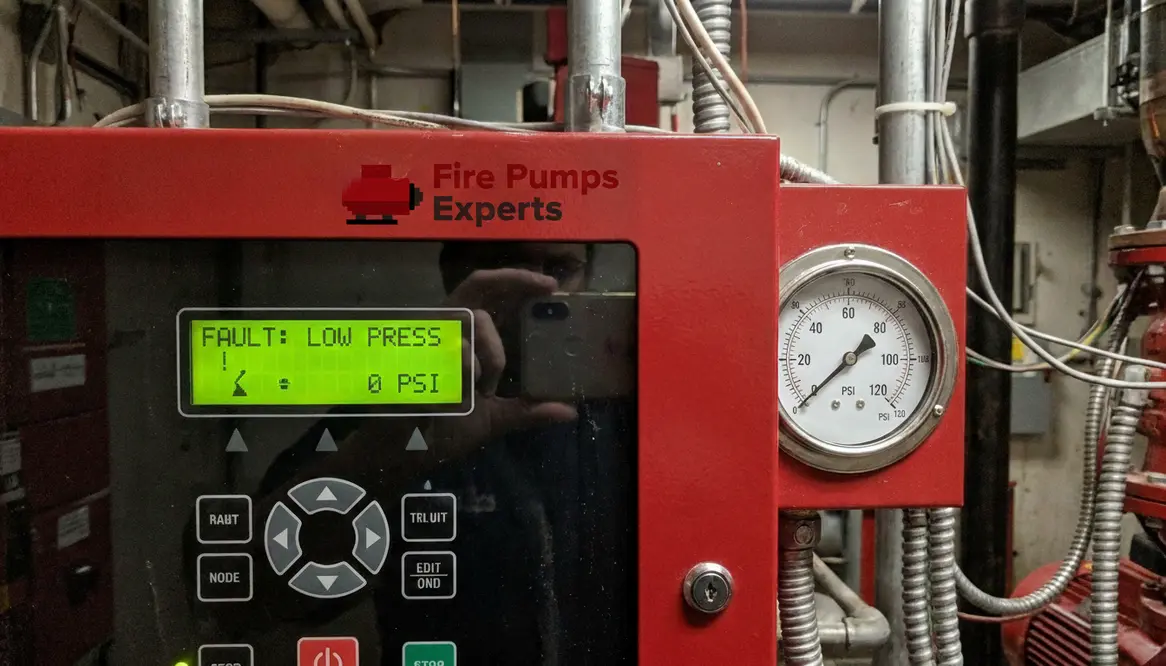
Fire Pump Controller Pressure Transducer Failure Symptoms
I have seen a lot of fire protection systems in my time, and one small part can cause one very large headache. The fire pump pressure sensor, the fire pump controller, and the pressure transducer all work together to keep the system ready for an emergency. When one of them starts acting up, the whole setup can send the wrong signals, which is a bit like your smoke alarm thinking popcorn counts as a five alarm event. In commercial and industrial facilities, that kind of confusion is not just annoying. It can affect safety, compliance, and uptime.
Below, I break down the warning signs, what they mean, and what I look for next so you can catch trouble early and keep your system ready for real fire risk, not drama from a faulty sensor.
Quick reality check
When the fire pump controller starts acting like it has unreliable nerves, it often comes down to the pressure measurement chain: sensor → wiring → controller interpretation. The goal is simple: make sure your data matches what your system is actually doing.
If you see symptoms that look electrical, random, or time-dependent (rain, vibration, cleaning), treat it as a pressure transducer + wiring problem until proven otherwise.
What I check first when pressure readings look wrong
The first symptom I watch for is a pressure reading that jumps around for no clear reason. If the gauge looks calm but the controller keeps acting nervous, I suspect the transducer may be sending a weak or noisy signal. Likewise, if the reading stays stuck at one value, I do not trust it until I confirm it with a second check.
Next, I look for false starts. The pump may kick on even though system pressure has not dropped. That can point to a bad signal from the fire pump pressure sensor or a wiring issue between the sensor and the fire pump controller. A pump that starts and stops too often can wear parts faster, and nobody wants a fire pump acting like it had three cups of coffee.
I also pay attention to error lights, fault alarms, and strange controller messages. These alerts often tell me the system knows something is off, even if the cause is not obvious yet. In many cases, the issue comes from a damaged sensor diaphragm, loose wires, water intrusion, or a power supply problem.
Signs I see at the panel and in the field
Here are the clues I treat as red flags:
- Pressure display does not match the actual system pressure
- Controller alarms for low pressure without a real pressure drop
- Pump starts for short bursts and then shuts off
- Readings stay flat even when pressure changes
- Intermittent faults appear after rain, cleaning, or vibration
- Manual tests show a normal pump, but the sensor data still looks wrong
Because these systems protect commercial and industrial buildings, I do not shrug off “small” glitches. A noisy reading today can become a no start tomorrow. Therefore, I check the basics first: power, wiring, mounting, and the sensing line. Then I decide whether the pressure transducer itself needs replacement.
How I tell a sensor issue from a real system problem
This is where a lot of people get tripped up. A bad reading does not always mean a bad sensor. Sometimes the fire pump system really is losing pressure because of a leak, valve issue, or damaged pipe. So I compare the controller reading with a physical gauge. If the gauge and the controller disagree, the sensor may be the culprit. If both show the same pressure drop, the problem likely sits elsewhere in the system.
I also check for vibration damage. Fire pump rooms are not spa rooms, and equipment shakes over time. That movement can loosen terminals or damage the sensor connection. In addition, moisture can sneak into junction boxes and cause signal drift. Electronics are dramatic that way. They hate water, heat, and bad manners.
When control wiring overlaps with other building systems
For facilities that need a full fire protection review, I also suggest checking related systems. You can learn more through Los Angeles fire pump services or review commercial electrical support when wiring and control issues overlap. If your site also relies on sprinkler protection, the page on fire sprinkler service solutions can help connect the dots.
Why I take controller faults seriously in major buildings
In large properties, even one bad sensor can create a chain reaction. A faulty reading may trigger nuisance starts, hide real pressure loss, or keep the pump from starting when needed. That is a bad day waiting to happen, and I do not say that for effect. I say it because life safety systems need clean data.
Also, repeated false alarms can make building staff ignore warnings. That is dangerous. Once people stop trusting the panel, the system loses part of its value. So I push for fast testing and clear records. I want maintenance teams to know what changed, when it changed, and whether the issue comes from the sensor, the controller, or the field wiring.
FAQ
My final take and next step
If your fire pump controller looks confused, I would not wait around to see if it “fixes itself.” It will not. I recommend a full inspection of the fire pump pressure sensor, the wiring, and the pressure transducer before a small fault becomes a big one. For commercial and industrial facilities, that kind of care protects both safety and uptime. If you want help finding the source of the problem, reach out now and get the system checked before it starts writing its own horror story.