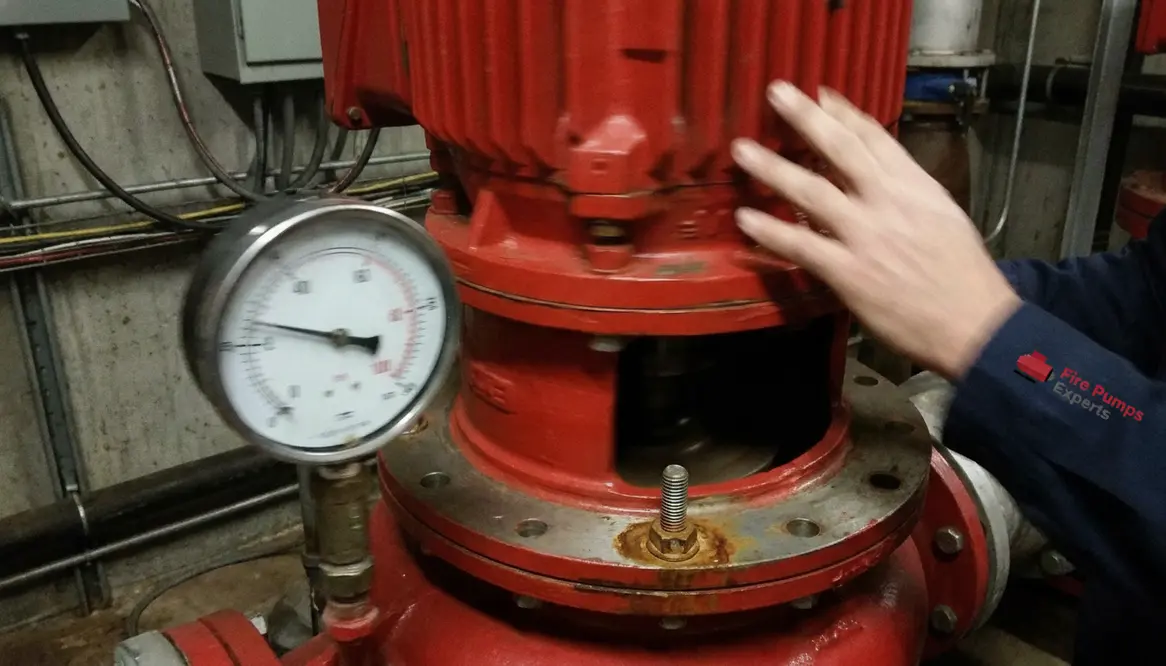
Excessive Vibration in Vertical Turbine Fire Pumps
When vibration shows up, it is not “just noise”
When I hear someone mention vertical turbine pump vibration on a vertical turbine fire pump, I know we are not dealing with a small nuisance. We are dealing with a warning sign. In commercial and industrial buildings, that shake can point to trouble inside the bowl assembly, column, motor, or foundation. And yes, the pump may sound like it is trying to win a heavy metal contest, but nobody wants that in a fire protection system. I want to break this down in plain terms so facility teams can spot the cause early and keep the system ready when it matters most.
Why a Vertical Turbine Fire Pump Develops Excessive Vibration
Excessive vibration usually starts when the pump no longer runs in balance. In a vertical turbine fire pump, that balance depends on smooth flow, tight clearances, solid mounting, and proper alignment. If one of those slips, the pump begins to move more than it should. That motion spreads through the shaft, bearings, motor, and discharge head.
In my experience, the most common triggers include worn bearings, bent shafts, loose base hardware, and hydraulic issues. Furthermore, poor suction conditions can create turbulence and cavitation, which makes the pump behave like it drank too much coffee. The result is noise, heat, wear, and sometimes a full system failure if no one steps in fast.
What causes pump shake in the first place
Excessive vibration usually starts when the pump no longer runs in balance. In a vertical turbine fire pump, that balance depends on smooth flow, tight clearances, solid mounting, and proper alignment. If one of those slips, the pump begins to move more than it should. That motion spreads through the shaft, bearings, motor, and discharge head.
In my experience, the most common triggers include worn bearings, bent shafts, loose base hardware, and hydraulic issues. Furthermore, poor suction conditions can create turbulence and cavitation, which makes the pump behave like it drank too much coffee. The result is noise, heat, wear, and sometimes a full system failure if no one steps in fast.
Why the bowl assembly and shaft matter so much
The bowl assembly does the real work of moving water upward, so any wear there can set off a chain reaction. If the impellers, bowls, or wear rings erode, the hydraulic balance changes. Then the shaft starts to whip instead of spin cleanly. That whip creates vertical turbine pump vibration that travels through the entire unit.
Likewise, shaft alignment matters more than most people think. If the shaft is bent, poorly fitted, or running with too much play, the pump does not stay centered. As a result, the vibration grows with speed and load. I always tell teams to treat a shaft problem like a loose steering wheel. You can still move forward, but you should not pretend everything is fine. That road ends badly, usually with a repair bill and a facepalm.
What flow problems can do to a fire pump
Hydraulic problems often hide behind mechanical symptoms. For example, low suction pressure, blocked strainers, air leaks, or submerged intake issues can starve the pump. When that happens, the water inside the pump starts to boil and collapse in tiny bursts. This is cavitation, and it hits hard.
Here is the simple version: bad flow creates unstable pressure, unstable pressure creates vibration, and vibration creates wear. In a vertical turbine fire pump, that cycle can damage bearings and impellers much faster than many owners expect. Also, if the pump runs too far from its design point, it can shake even when the parts are new. That is why proper sizing and system review matter from day one.
How installation errors turn into vibration
Even a strong pump can misbehave if the setup is weak. Loose anchor bolts, uneven concrete, pipe strain, or poor motor alignment can all feed vibration into the system. In fact, a pump may be healthy, but the installation acts like a bad stage floor. Everything starts wobbling because the platform does.
For commercial and industrial properties, I also pay close attention to the discharge piping. If the piping pulls on the head or if supports do not carry the load, the unit works under stress. Then the vibration rises during startup and can stay high during operation. As a result, the problem becomes harder to trace unless someone checks the full train, not just the pump.
How I check vibration on site
When I inspect a noisy system, I look at the machine as a whole, not just the symptom. First, I listen for changes in sound during startup, steady run, and shut down. Then I check for heat, seal issues, loose fasteners, and pipe movement. After that, I review suction conditions, water level, and motor alignment.
Here is a simple way I break the process down:
Column One
- Check suction conditions
- Inspect bearings and shaft play
- Verify mounting and alignment
Column Two
- Look for cavitation signs
- Review impeller and bowl wear
- Confirm piping support and load
That kind of review helps me separate a small fault from a major one. Also, if the system serves a large property, I never assume the issue will wait politely for business hours. It usually does not.
Where to get help before the problem grows
For fire protection systems in major properties, I prefer a service team that knows both the pump and the building risk. The right partner can inspect, test, and repair the equipment without guesswork. If you need a starting point, I recommend reviewing los angeles fire pump services for commercial and industrial systems. You can also look at fire pump support for large facilities and compare broader electrical and fire service resources at Kord Electric and Australian fire sprinkler services. That kind of support matters because a fire pump should work like a reliable sidekick, not a dramatic guest star.
FAQ
Conclusion
If I see excessive shake in a vertical turbine fire pump, I treat it as a real warning, not a minor quirk. The cause usually sits in the mechanics, the hydraulics, or the installation. Therefore, fast inspection and proper testing protect the system, the building, and the people who depend on it. If your facility relies on this equipment, act now, verify the source, and bring in the right support before a small vibration turns into a big problem.