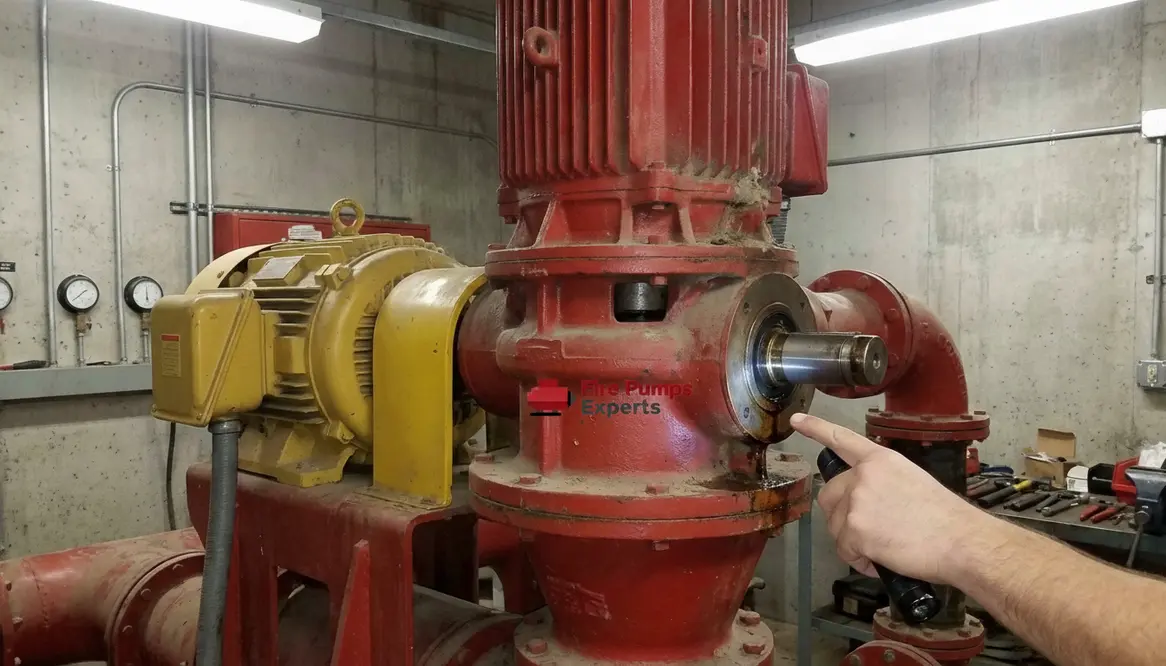
Vertical Turbine Fire Pump Line Shaft Bearing Wear
When I look at a vertical turbine fire pump, I do not just see steel, water, and a motor doing its best impression of a hero. I see a system that must stand ready for commercial and industrial facilities, major property buildings, and every place where fire protection cannot afford drama. The same goes for vertical turbine pump bearings, because these small parts can decide whether the pump runs smooth or starts sounding like a tired movie villain. If the line shaft bearings wear out, the whole pump can lose efficiency, gain vibration, and turn into a repair bill nobody invited.
In this article, I walk through the main causes of wear, the signs I look for, and the steps I use to slow it down. So, if you manage fire protection equipment, stay with me. This is the kind of maintenance talk that saves money, time, and a few gray hairs.
What line shaft bearing wear means in a fire pump
Line shaft bearing wear happens when the bearing surfaces inside a vertical turbine fire pump lose their smooth fit over time. The shaft no longer stays centered as well as it should, and that small shift creates friction, heat, and vibration. As a result, the pump may still run, but it starts to work harder than it should.
I pay close attention to this because fire pumps do not get to “rest and reset” when trouble starts. They need to perform on demand. Therefore, even modest wear can matter. In many cases, worn bearings also affect shaft alignment, impeller clearances, and overall pump life. That is a long chain reaction from one small part, which feels unfair, but machinery never promised fairness.
Main causes I check first
I usually start with the basics, because the basics cause most of the trouble. First, poor lubrication can lead to excess rubbing. Second, dirty water can carry sand, grit, or debris that acts like sandpaper inside the bearing area. Third, misalignment can force the shaft to ride unevenly. Finally, normal aging will wear parts down, even when the pump gets proper care.
In commercial and industrial settings, water quality can change more than people expect. A system that runs clean one month may face debris the next. Also, if the pump sits in a harsh environment, heat and moisture can speed up wear. That is why I treat the pump room like a place that deserves attention, not just a corner with a loud machine doing its thing like it is auditioning for a heavy metal band.
Signs I use to spot trouble early
I do not wait for a full failure. Instead, I watch for early warnings.
- Higher vibration during operation
- Noise that sounds rough, scraping, or uneven
- Lower efficiency or weaker discharge performance
- Extra heat near the shaft area
- Visible shaft movement or poor running balance
These signs often show up before a serious breakdown. Moreover, if I hear changes in sound, I pay attention fast. A healthy pump has a steady, controlled feel. A worn one often feels restless, as if it drank too much coffee and forgot how to sit still.
How I inspect bearings and shaft wear in the field
I keep inspections simple, but I do not keep them shallow. First, I check operating noise and vibration trends. Then I review startup behavior, because rough starts can reveal hidden wear. After that, I inspect for shaft play, seal condition, and signs of heat or contamination. When needed, I compare readings against past service data, since trends tell a better story than one random snapshot.
Here is the part many people miss: bearing wear often shows up with other issues, not alone. So, I look at the full picture. If I see worn bearings, I also check pump alignment, water source quality, and shaft condition. That broader view helps me avoid replacing one part while the real problem keeps hiding nearby like a sequel nobody asked for.
How I reduce wear with the right maintenance
I reduce wear by making the pump easier to live with. Regular inspection matters, but so does control of the operating environment. I keep water sources as clean as possible, confirm proper lubrication where the design allows it, and watch for alignment drift. In addition, I schedule service before failure shows up, not after.
For teams managing larger facilities, I also recommend working with trusted fire protection providers. For example, I look at resources like los angeles fire pump service for commercial facilities when I need support tied to fire pump systems, and I also review related guidance from industrial electrical service solutions when the system depends on strong electrical support.
If the property has broader protection needs, I also keep an eye on fire sprinkler service resources for major properties. That kind of support helps keep the whole system in shape, not just one part.
How I decide when to repair or replace
I choose repair when the wear is light and the shaft still runs true. However, I move toward replacement when I see deep scoring, repeat vibration, recurring overheating, or damage that keeps coming back after service. In other words, I do not keep feeding a losing battle just to feel optimistic. Optimism is nice. Preventing downtime is nicer.
Vertical turbine fire pump and bearing wear: what matters most
A vertical turbine fire pump is only as dependable as the parts that keep it running smoothly under pressure. When line shaft bearings wear, the ripple effects can show up fast: vibration rises, efficiency dips, and the system starts chasing problems instead of preventing them. That is why I treat vertical turbine pump bearings like a performance indicator, not an afterthought.
If you are managing a vertical turbine fire pump for commercial and industrial operations, you already know the “on demand” part is real. What you might not realize is how quickly wear can turn minor into expensive. Even when the unit still runs, worn bearings can nudge alignment and change how the impeller clears the water path, which adds stress everywhere else.
So the goal is simple: keep wear from getting comfortable. Track vibration trends, watch temperature, protect water quality, and verify alignment. When those habits are consistent, vertical turbine pump bearings tend to last longer and the vertical turbine fire pump stays in the “steady and ready” category instead of the “why is it making that sound?” category.
Vertical turbine fire pump line shaft bearing wear FAQ
Quick answers for day-to-day decisions
When you are dealing with a vertical turbine fire pump, early attention keeps vertical turbine pump bearings from turning into a problem that spreads across the rest of the machine. Keeping an eye on wear is how you avoid surprises and keep the system behaving like it should.
Conclusion
In my experience, vertical turbine fire pump line shaft bearing wear is not a small issue wearing a small hat. It can grow fast, and it can hurt performance when you least want it to. So I treat early signs, steady inspections, and clean operating conditions as non negotiable. If you manage a commercial or industrial property, now is the right time to review your pump condition, tighten your maintenance plan, and bring in expert support before wear turns into failure.