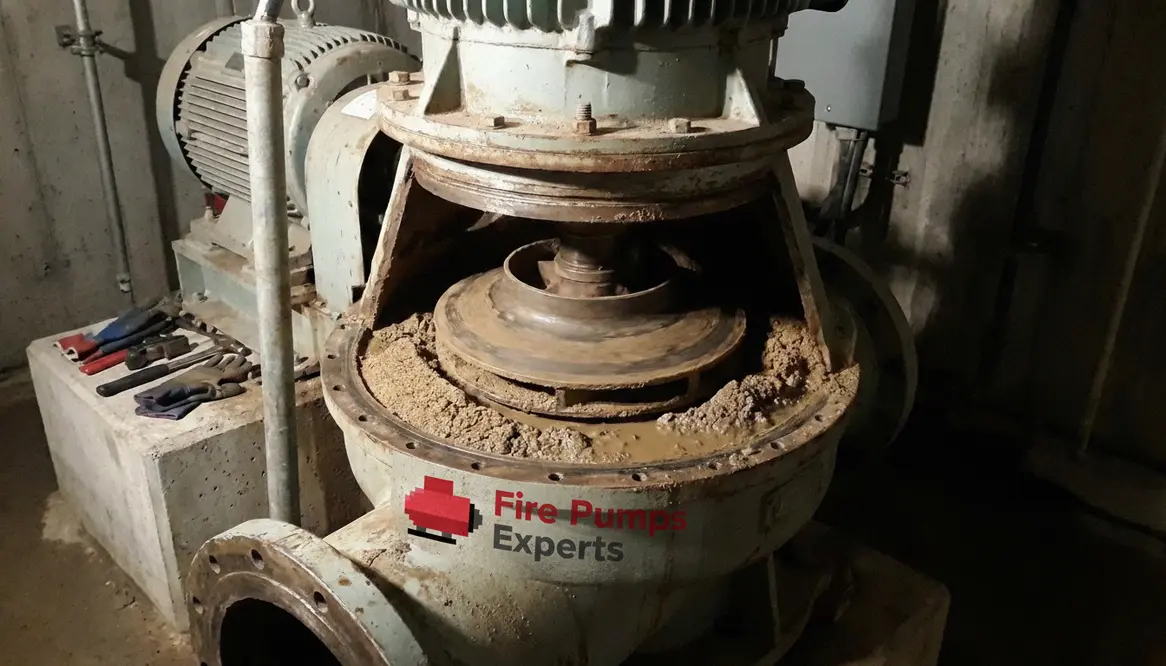
Sand and Sediment Damage Vertical Turbine Fire Pumps
I have seen plenty of vertical turbine fire pump maintenance plans look solid on paper, right up until sand and sediment sneak in like a bad guest at a quiet dinner. And that is where vertical turbine pump problems begin to show up in real life. In commercial and industrial facilities, and in major property buildings, these pumps must stay ready at all times. Yet grit in the water can wear parts down, block flow, and turn a reliable fire protection system into a costly headache. So, let me walk you through what actually happens, why it matters, and how I would deal with it before the pump starts sounding like it swallowed a box of marbles.
What sand and sediment do inside the pump
Sand and sediment do not just sit there politely. They move through the bowl assembly, rub against the impeller, and shave away metal with every spin. Over time, this creates more space between parts, which lowers pump efficiency. As a result, the pump works harder to deliver the same flow. That extra strain can lead to heat, vibration, and early failure. I like to say grit acts like tiny sandpaper ninjas. They do the damage quietly, but they never miss a shift.
In a fire pump, that wear matters even more because the unit must perform during an emergency. If sediment builds up, the pump may lose prime, the discharge may drop, and the system may not meet the needed pressure. Therefore, even a small amount of debris can become a big issue fast.
How damage shows up in vertical turbine pump systems
Common signs I watch for
- Lower flow or weak pressure during testing
- Rising vibration or unusual noise
- Faster wear on impellers, bowls, and bearings
- Increased power use because the pump must work harder
These signs often appear slowly. That is why many teams miss them until the system starts acting up during inspection or testing. However, once wear starts, it usually spreads. A rough surface pulls in more grit. Then the cycle keeps going, like a sequel nobody asked for.
Why commercial facilities face higher risk
Commercial and industrial sites often pull water from wells, tanks, or other sources that can carry sediment. In large buildings, the pump may run for testing, maintenance, or emergency readiness checks, which gives debris repeated chances to cause harm. Also, older water sources tend to carry more loose material. If the intake design is weak or the environment is dirty, the pump pays the price.
That is why I always tie water quality into fire pump care. A pump can be well built, properly installed, and still fail early if the water source is harsh. In other words, the machine may be strong, but the water can still bring the drama.
How I prevent sediment wear before it grows
I start with the intake. If the intake sits too close to the bottom of a tank or well, it can pull in settled material. So, I check placement first. Next, I look at strainers, screens, and water source conditions. If those parts clog or degrade, sediment gets through. After that, I focus on testing. Regular flow checks help me spot pressure loss before it turns into a bigger repair.
Here is where good planning helps:
- I inspect the pump more often when the water source is known to carry grit.
- I check for wear patterns on impellers and bearings during service visits.
- I compare test results over time to catch slow performance drops.
- I keep an eye on vibration because it often speaks before failure does.
For related support, I often point facility teams to internal fire pump service resources from trusted providers like Kord Fire and Kord Electric, since proper care depends on both pump and electrical system health. When a site needs broader system work, I also review options such as australian fire sprinkler service support to keep the whole protection setup aligned.
Vertical turbine fire pump maintenance in a simple two part view
Inspection side
I check for sediment at the intake, wear on moving parts, and early signs of vibration.
Action side
I clean, adjust, test, and replace worn parts before they fail under load.
This two part approach keeps the work clear. First, I find the grit problem. Then, I remove the risk before it turns into downtime. It sounds simple because it should be. Unfortunately, many failures begin with someone assuming the water is “probably fine.” That word probably has ruined many good afternoons.
When sediment damage becomes a bigger system issue
Once wear starts inside the pump, it can affect the entire fire protection chain. Lower discharge can reduce sprinkler performance. Excess vibration can loosen fittings. Also, repeated stress can shorten the life of motors and controls nearby. So, one dirty water source can create a wider repair bill than many teams expect.
That is why I treat sediment damage as a system concern, not just a pump issue. In fire protection, every weak point matters. And when a building depends on that pump to protect people, assets, and operations, “good enough” is not good enough.
FAQ
Sand and sediment may look harmless, but inside a vertical turbine fire pump, they act like a slow grind against reliability. I always tell facility teams to stay ahead of wear with steady testing, careful inspection, and smart intake control. If you manage a commercial or industrial property, now is the time to protect the system before small grit becomes a large repair. Reach out for expert review, keep the pump clean, and let the fire protection system do its job when it matters most.