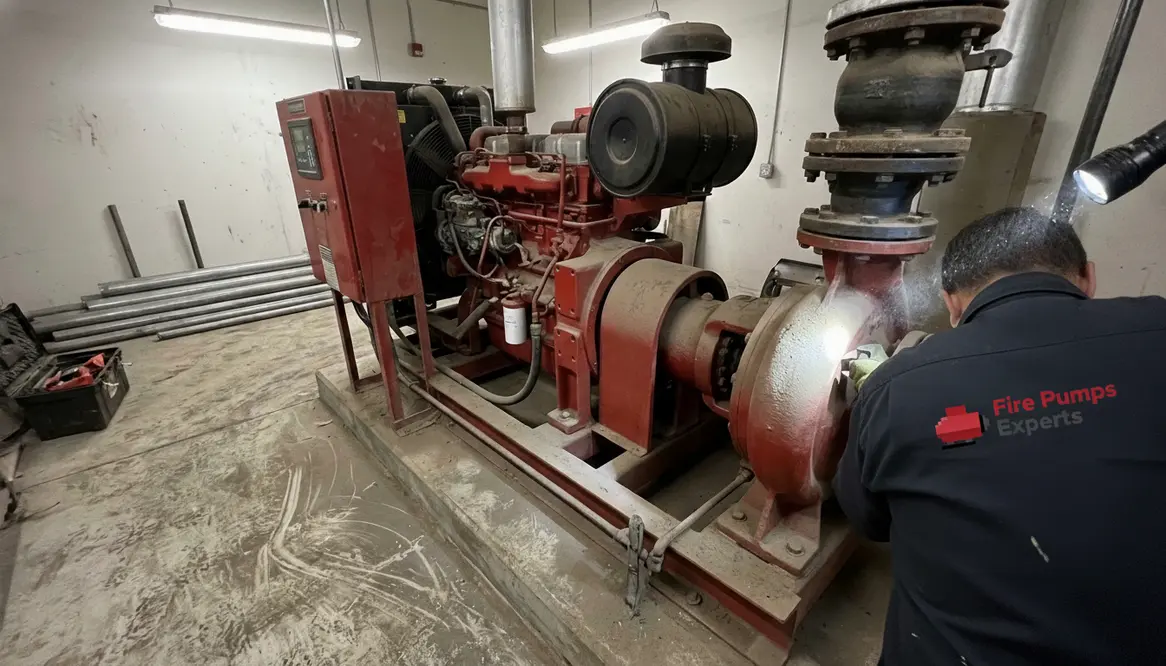
Fire Pump Maintenance in Dusty Industrial Environments
In my line of work, I treat industrial fire protection like the quiet guard in the back of the room. You do not notice it until the moment you really need it. That is why fire pump maintenance and regular fire pump inspection matter so much in dusty industrial sites. Dust does not just sit there and look harmless. It slips into housings, clings to motors, and builds up like it owns the place. In a plant, warehouse, or major commercial property, that can turn a solid system into a tired one. And nobody wants their fire pump acting like it stayed out all night.
In dusty environments, I focus on more than basic checks. I look at airflow, seals, alignment, vibration, and heat. I also watch for slow wear that hides behind normal operation. The goal is simple: keep the system ready, keep the property protected, and keep the pump from failing when pressure matters most.
Why dust changes the game for fire pumps
Dust changes everything because it gets into places it should never be. First, it can clog vents and cut cooling power. Then it can settle on moving parts and raise friction. Over time, that extra strain can shorten motor life and hurt performance. In addition, fine dust can hide leaks, loose fittings, and rust spots during a quick walk by.
I also pay close attention to the building around the pump. If the site handles cement, wood, grain, metal, or chemicals, the dust load often rises fast. Therefore, a standard maintenance routine may not be enough. A dusty site needs a tighter schedule and sharper eyes. Think of it like a soundtrack with too much bass. It may feel fine at first, but eventually something rattles.
What I check during a dusty site inspection
When I perform fire pump inspection in these settings, I start with the basics and then dig deeper. I want to know if the pump can start, run, and hold pressure without drama. I also want to know if dust has started to win the long game.
Here is the core routine I follow
- Check motor vents and fan covers for dust buildup
- Inspect seals, gaskets, and cable entry points
- Look for heat marks, rust, and loose fasteners
- Test control panels for clean contacts and stable readings
- Review pressure levels, vibration, and unusual noise
- Confirm the pump room stays dry and clear of debris
Next, I verify that the pump room supports good airflow. If the room traps dust and heat, the system ages faster. I also check whether nearby work processes send dust straight toward the equipment. If they do, I recommend better barriers or room changes. That small move can save a lot of trouble later.
How I build a maintenance plan that actually holds up
For fire pump maintenance, I prefer a plan that matches the real site conditions. A busy industrial property needs more than a once in a while glance. So, I divide the work into daily, weekly, monthly, and annual tasks. That way, the team can stay ahead of trouble instead of chasing it.
Daily and weekly focus
I ask staff to keep the room clean, watch for leaks, and note any odd sound or smell. I also want visual checks on gauges and controls. These small habits matter. They catch the early signs before a small issue puts on a full Broadway performance.
Monthly and annual focus
Each month, I review operating logs, test components, and clean key areas with care. Then, on the annual side, I look at deeper wear, calibration, and pump curve performance. I also compare current results to past data. That history tells a story, and it usually speaks before a breakdown does.
What I protect
- Motor cooling paths
- Seals and bearings
- Control panels
- Pressure stability
What I prevent
- Overheating
- Early wear
- Electrical faults
- Poor pump response
Why commercial and industrial sites need a stricter routine
Major properties carry heavier risk because they often run larger systems, longer hours, and more complex layouts. As a result, a dusty warehouse, plant, or distribution center cannot rely on luck. I have seen too many systems lose efficiency because the maintenance plan looked fine on paper but ignored the environment.
That is where strong industrial fire protection planning pays off. It links pump care with the full building system, so the pump does not work alone. It also ties in nearby services and electrical support when needed. For example, I often look at how pump systems connect with commercial electrical support for fire systems because weak power and dirty conditions can team up like a bad action movie duo.
For deeper product and system insight, I also reference los angeles fire pump solutions when I compare system needs across industrial sites. In addition, I review industrial sprinkler service guidance when the pump supports a full protection network. That wider view helps me keep the whole system in step.
FAQ
Conclusion
If you manage a dusty plant, warehouse, or large commercial building, I would not wait for a warning light to tell the story. I would build a strong maintenance plan now, test it often, and keep the pump room clean and dry. If you want a better handle on industrial fire protection, I can help you compare your current setup against the real demands of your site and keep your system ready when it matters most.