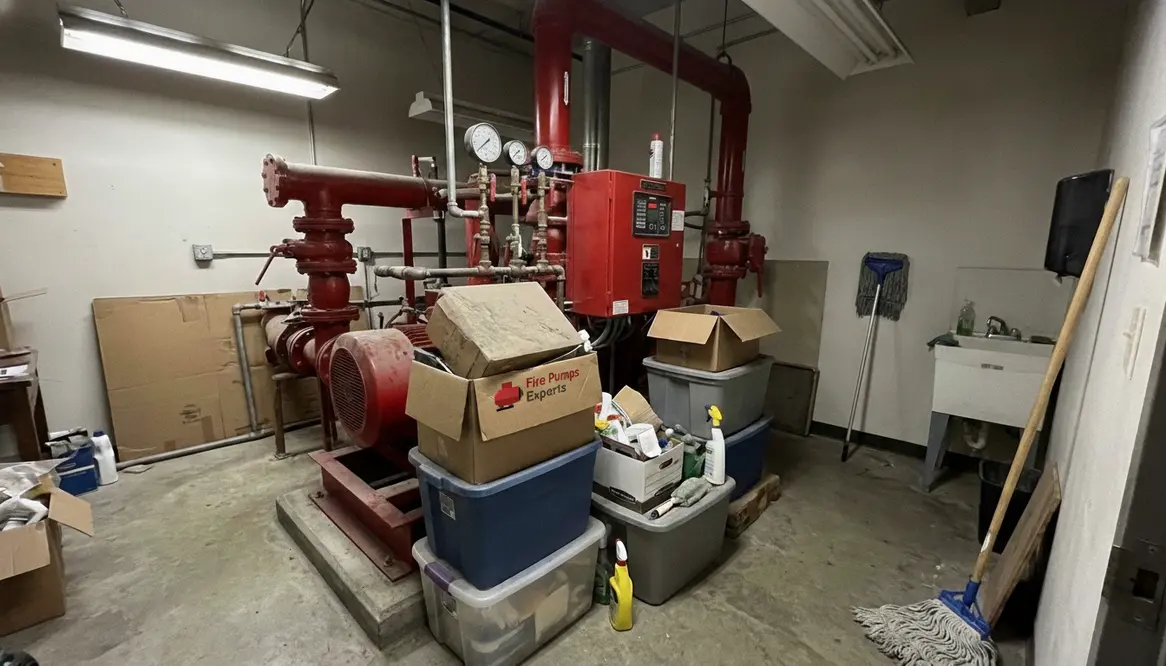
Fire Pump Room Housekeeping and Inspection
Why Fire Pump Room Housekeeping Can Become a Reliability Issue
In my line of work, I have seen many things that look harmless until they are not. A dusty floor. A box left too close to a panel. A drain that “seemed fine yesterday.” In a fire pump room, small messes can turn into real trouble. That is why fire pump room requirements, fire pump inspection, and fire pump maintenance matter so much for commercial and industrial facilities, as well as major property buildings. I am not talking about neatness for the sake of neatness. I am talking about reliability, safety, and a system that must work when the pressure is on. And yes, the pump room should not look like a storage closet that lost a fight with a shipping department.
In this article, I will show why housekeeping in the fire pump room can become a reliability issue, what bad conditions do to equipment, and how a disciplined routine helps keep systems ready. I will also point you to helpful resources like los angeles fire pump services and related support from fire sprinkler service solutions and electrical service support for facilities that need a full system approach.
How mess turns into equipment failure
Fire pump rooms do not fail in dramatic movie style. They usually fail in slow, plain ways. Dust builds up on controls. Moisture sits where it should not. Boxes block access. Then, when someone needs to do a check, the path is tight and the work takes longer. That delay can hide a problem. Worse, clutter can limit airflow, trap heat, or make a small leak harder to spot. In a room that supports life safety, that is a serious risk.
Also, housekeeping affects how people move. If the floor is dirty, wet, or crowded, technicians can slip, trip, or avoid certain areas. Then key parts get missed during fire pump inspection. A room that feels “good enough” often becomes the place where small faults stay hidden. And hidden faults have a nasty habit of showing up at the worst possible time, like a villain entering in the third act.
What I look for in a reliable pump room
When I assess a fire pump room, I do not just look at the pump itself. I look at the whole setting around it. Clean floors matter. Clear access matters. Dry conditions matter. Labels must stay readable. Valves, gauges, controllers, and power parts must remain easy to reach and easy to see. If I have to move half the room to check one item, the room already has a housekeeping problem.
Here is how I break it down:
Dual column view of common housekeeping risks and why they matter
Risk
Clutter near equipment
Dust on controls
Standing water
Stored items in the wrong place
Poor lighting
Why it hurts reliability
Blocks access during checks and service
Can hide wear, heat marks, or bad indicators
Raises slip risk and can signal drainage trouble
Can delay urgent service and violate fire pump room requirements
Makes defects harder to see during fire pump maintenance
That simple list tells a bigger story. Housekeeping is not a side task. It is part of the system itself.
Why small problems grow in commercial facilities
Commercial and industrial sites often run fast, and I respect that. Still, fire pump rooms do not care about a busy schedule. They need steady attention. In large properties, different teams may use the same space for storage, quick access, or general utility. As a result, the room can slowly drift from protected equipment space to “temporary parking.” That is how reliability gets chipped away.
For example, if a contractor leaves material near the controller, the room may still pass a casual glance. However, that material can block access during a true emergency or during scheduled fire pump maintenance. Likewise, if a building team stores cleaning gear nearby, moisture, chemicals, or dust may affect the system over time. The pump may still run, but it runs in a less healthy space. And just like a star athlete playing with a sore ankle, the system can keep going right up until it cannot.
How I connect housekeeping to fire pump inspection
Good housekeeping makes fire pump inspection faster, clearer, and more useful. When the room stays clean and open, inspectors can spot leaks, corrosion, worn parts, blocked drains, and signs of heat damage with less guesswork. They can also test access and confirm that the room supports proper operation. That means fewer surprises and better follow through.
On the other hand, poor housekeeping can hide warning signs. A rag left near piping may cover a leak. Dust on a gauge may blur the reading. A stack of boxes may keep a technician from checking a valve quickly. In a fire pump room, every extra obstacle adds risk. So, the goal is not just a tidy room. The goal is a room that helps the system do its job without drama.
Simple habits that protect reliability
I like simple habits because they stick. First, keep the room clear of unrelated storage. Second, clean floors and surfaces on a set schedule. Third, keep drains open and dry. Fourth, check that labels, lights, and access paths stay easy to use. Fifth, tie housekeeping into every service visit, not just the big annual event everyone circles on the calendar like it is a holiday special.
Also, make sure your team knows the room is not a general storage space. That one rule solves more problems than people expect. When staff understand the purpose of the room, they respect the space. Then the system gets a better chance to stay ready, and that is the whole point.
FAQ
Conclusion
I treat fire pump room housekeeping as a reliability issue because that is exactly what it is. A clean, open, dry room helps protect the pump, the controls, and the people who depend on them. If you manage a commercial building, industrial site, or major property, take a hard look at the room today. Then act before a small mess becomes a big failure. If you want support, review your setup, tighten your standards, and connect with a fire protection team that understands real-world facility demands.