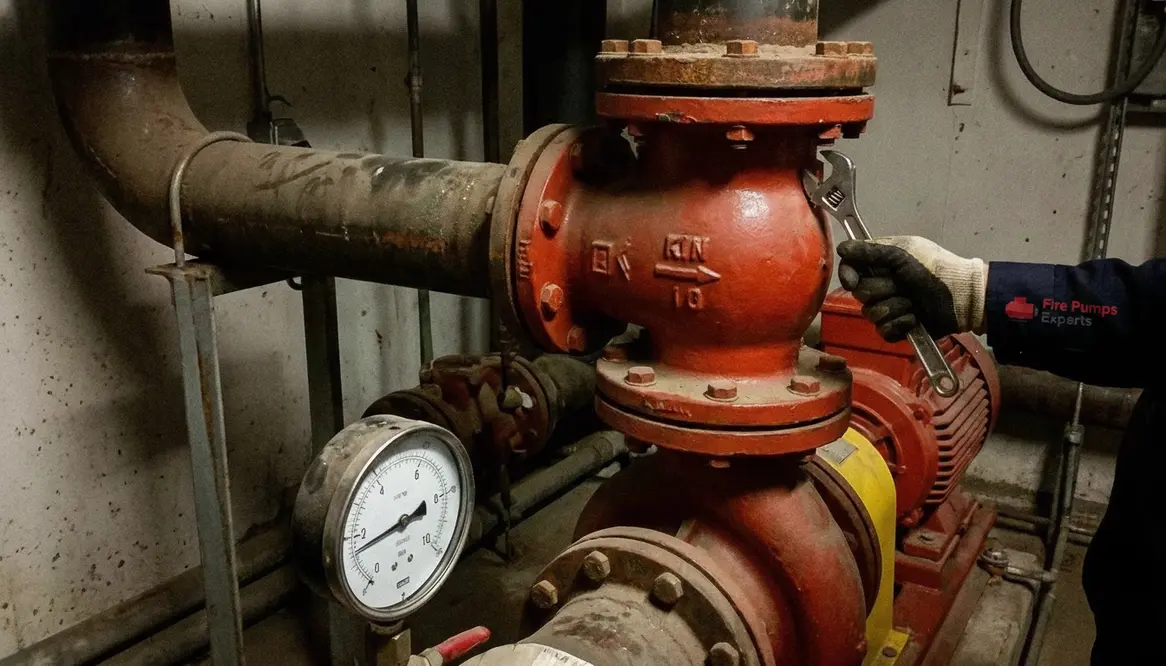
Fire Pump Discharge Check Valve Troubleshooting
I have spent enough time around commercial and industrial fire systems to know this: a fire pump check valve can make or break the whole setup. When it fails, the pressure story changes fast, and not in a nice way. That is where the fire pump valve comes into play, and where smart fire pump troubleshooting starts before a small issue turns into a full system headache. In major properties, every second counts, so I like to treat this valve like the quiet guard at the door. Nobody notices it until it slips, and then everyone notices everything.
In this article, I will break down how a fire pump discharge check valve fails, why it happens, and what I look for when I inspect commercial and industrial systems. I will keep it practical, clear, and just a little human. After all, fire protection should not read like a tax form from another galaxy.
What I check first when the valve acts up
When I start looking at a failing discharge check valve, I begin with the obvious. I check for backflow, odd pressure swings, and delayed response after pump start. If the valve chatters, slams, or leaks, it usually tells a story right away. Sometimes the story is simple wear. Sometimes it is bad alignment. And sometimes the system has been quietly ignored long enough to develop its own personality, which is never a good sign.
I also look at how the valve seats after the pump stops. If water flows backward, even a little, the valve may not be sealing fully. That can drain pressure from the fire pump, stress the driver, and make the whole system work harder than it should. For large buildings and industrial sites, that is not drama I want on a normal Tuesday.
Why a fire pump discharge check valve fails
A fire pump discharge check valve usually fails for a few clear reasons. First, debris can get into the valve and stop it from closing cleanly. Rust, scale, and grit love to hang around in older systems. Second, the disc, hinge, or spring can wear out over time. Parts move, parts age, and parts eventually say, “I am done here.”
Third, water hammer can beat up the valve. When flow stops too fast, the sudden force can slam the disc shut. Over time, that repeated удар, if I may borrow a dramatic word for a very unglamorous problem, can crack parts or loosen seals. Fourth, poor installation can cause trouble from day one. If the valve sits at the wrong angle or the piping pulls on it, it will not close the way it should.
Finally, corrosion can build up inside the body. Once that starts, the valve may stick, leak, or refuse to respond as designed. In my experience, corrosion is the slow villain in the background, like the bad guy who keeps showing up in the third act.
How I spot the warning signs before failure
I never wait for a full failure if I can help it. Instead, I watch for early signs. A valve that rattles, hums, or bangs is asking for attention. So is a system that loses pressure after shutdown. If the gauge drops too fast, the check valve may be letting water slide back where it should not go.
Here is a simple view I use during inspections
Warning sign
Pressure falls after shutdown
Valve makes noise during operation
Pump starts harder than usual
Visible leak at the body or joint
What it may mean
Disc may not be sealing
Disc may be bouncing or misaligned
Backflow or internal wear may be present
Seal, gasket, or body damage may exist
That kind of pattern helps me narrow the issue fast. And yes, pattern spotting beats random guesswork every single time. This is not a Marvel movie. We do not need extra plot twists.
What I do during inspection and testing
When I inspect the valve, I first confirm the piping supports are solid. Then I check for signs of vibration, corrosion, and loose bolts. After that, I review the pump start and stop behavior. If the valve opens and closes too slowly, I want to know why. If it closes too hard, I want to know that too.
I also pay close attention to maintenance records. A system with skipped checks often hides more than one problem. In commercial and industrial facilities, one weak part can cause another problem to grow. That is why I recommend regular service from teams that understand major property systems. For example, I often point facility managers to los angeles fire pump service when they need support with fire pump systems in the area. I also like to keep related electrical and sprinkler work in view, because a fire pump does not live alone. It shares the stage with the rest of the protection system, whether it wants to or not.
How I prevent the same failure from coming back
Prevention starts with clean water paths, proper support, and routine testing. I make sure the valve gets checked for wear before it becomes a problem. I also make sure the system does not suffer from quick shutoff events that cause water hammer. If the piping layout creates stress, I address that too.
Just as important, I keep the entire fire protection setup in sync. If the pump, electrical supply, and sprinkler controls do not work together, the valve ends up carrying more risk than it should. For that reason, I value service resources like commercial fire electrical support and industrial sprinkler service guidance when I review system readiness. A fire pump discharge check valve is only one piece, but it is a piece that can quietly protect the whole building when it works right.
In short, I keep the valve clean, aligned, supported, and tested. That simple plan saves time, money, and a lot of unwanted excitement. Nobody needs a surprise at the pump room door.
FAQ
When I see a fire pump discharge check valve starting to fail, I treat it like a warning bell, not background noise. If you manage a commercial or industrial facility, take the next step now. Review your fire pump system, check your records, and bring in qualified help before a small valve issue becomes a major shutdown. I recommend acting early, because prevention is cheaper than panic, and panic is never part of a good maintenance plan.