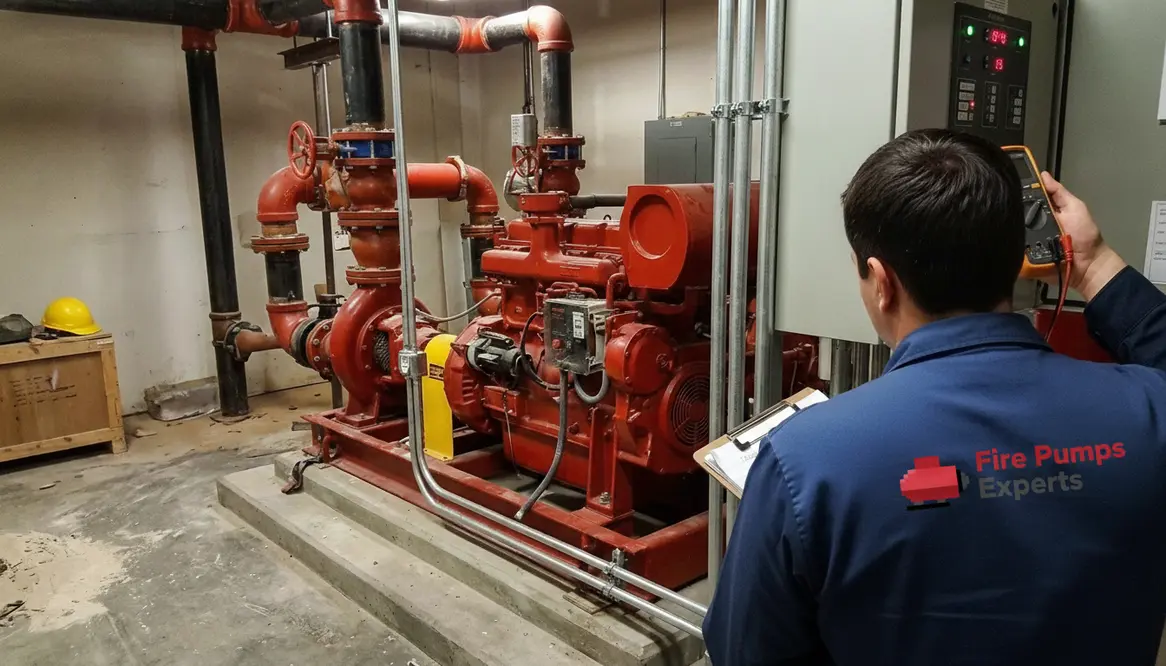
Fire Pump Commissioning and Testing Requirements
When I talk about fire pump commissioning, fire pump testing, and fire pump requirements after a major renovation, I am talking about the part of the project that keeps a building from becoming a very expensive headline. A renovation can shift pipe runs, change water demand, alter electrical loads, and wake up code issues that have been sleeping like a cat in a sunbeam. So, before the ribbon cutting and the proud walkthrough, I make sure the fire pump system still does its job for commercial and industrial facilities, plus major properties that cannot afford guesswork.
In plain terms, the system must match the building as it exists now, not as it looked before the renovation. That is why I treat commissioning as a fresh start, not a quick checkmark. The work is careful, practical, and very much worth the effort.
Start with the renovated building, not the old drawings
First, I review the updated plans, field changes, and final utility conditions. Renovations often move walls, add floors, rework tenant spaces, or upgrade use levels. As a result, the original pump setup may no longer fit the real demand. I confirm the pump type, driver, controller, suction source, and discharge path against the new layout. If the building changed, the fire protection strategy must change with it. That is just common sense, which is rare enough to deserve applause.
Next, I check whether the renovation changed the hazard level or water supply need. For example, a warehouse that gained office space may still need strong fire protection, but the demand profile may shift. Likewise, a plant expansion can raise both flow and pressure needs. So, I verify the system design before I ever hit the test button. This step saves time, money, and a few future headaches.
How I verify system readiness before power up
Before I energize anything, I inspect the room, the pump, and the controls. I look for clear access, proper ventilation, no leaks, correct valve positions, and solid pipe support. Then I confirm that the controller wiring matches the revised electrical work. Renovations love to create surprises, and some of them are less cute than others.
I also check the water source and suction conditions. If the renovation changed the tank, main, or utility tie in, I want proof that the pump has enough supply under real conditions. After that, I inspect alarms, pressure settings, and supervision points. In commercial and industrial properties, a fire pump is only useful if it wakes up when needed, and not for no reason at 2 a.m. like a dramatic movie villain.
Fire pump testing that proves the system works
Once I confirm the system is ready, I move into fire pump testing. I want hard proof, not hopeful thinking. I test startup, pressure performance, churn conditions, and transfer behavior if the facility uses multiple power sources. I also confirm that the pump responds smoothly and delivers the expected flow. If the system hesitates, I dig into the cause right away.
During testing, I watch for vibration, heat rise, noise, and unstable pressure. These signs tell me a lot. For example, strange vibration can point to alignment issues, trapped air, or pipe stress from renovation work. Meanwhile, pressure swings can show valve trouble or a weak supply. I do not ignore small clues, because small clues grow up fast and start charging rent.
Here is the basic test focus I follow:
Mechanical checks
- Pump alignment and coupling condition
- Shaft movement and bearing health
- Valve position and pipe support
- Leak points around seals and fittings
Performance checks
- Start sequence and controller response
- Pressure at no flow and at demand
- Flow stability under load
- Alarm and signal verification
After testing, I compare the results with the approved design and any local code rules. If the system misses target values, I do not patch over the issue. I correct it. That is the whole point of commissioning.
What fire pump requirements matter most after renovation
The main fire pump requirements after renovation usually fall into three buckets: capacity, reliability, and documentation. Capacity means the pump still meets the needed pressure and flow for the updated building. Reliability means the pump starts and runs as intended, with no weak links in the controls or power path. Documentation means the facility team gets clear records they can use for inspections, maintenance, and future service.
Also, I make sure the final setup aligns with the building’s fire protection scope. That may include related systems, such as emergency power, sprinkler support, and alarm interfaces. If your project also includes broader electrical or life safety work, I often review related resources like commercial electrical services for major facilities and sprinkler system service guidance to keep the whole protection picture in sync.
In this phase, I care about the handoff. The owner, facility manager, and maintenance team should know what was tested, what passed, and what still needs attention. A clean record today makes future inspections far less painful. And yes, paperwork is boring. But so is a fire, and I know which one I would rather manage.
How I close the project and prepare the facility
Finally, I complete the final report, note any corrections, and confirm that the system is ready for service. I walk the team through the results in simple language. Then I explain the maintenance schedule so the pump does not drift out of spec over time. Commissioning is not a one day victory lap. It is the start of ongoing protection.
If you want a deeper local look at system support, I also recommend los angeles fire pump commissioning support for facilities that need a focused commercial and industrial approach. That kind of resource helps keep the system aligned with real world demands, not wishful thinking and a clipboard full of hopes.
FAQ
Bring the system back to full strength
If your building has gone through a major renovation, do not assume the fire pump still fits the job. I help verify the system, test it under real conditions, and confirm the requirements are met for your commercial or industrial facility. With the right commissioning process, you protect people, property, and uptime. Reach out now, and let me help you close the gap between renovation work and real fire protection. Because in this business, “almost ready” is not a plan.