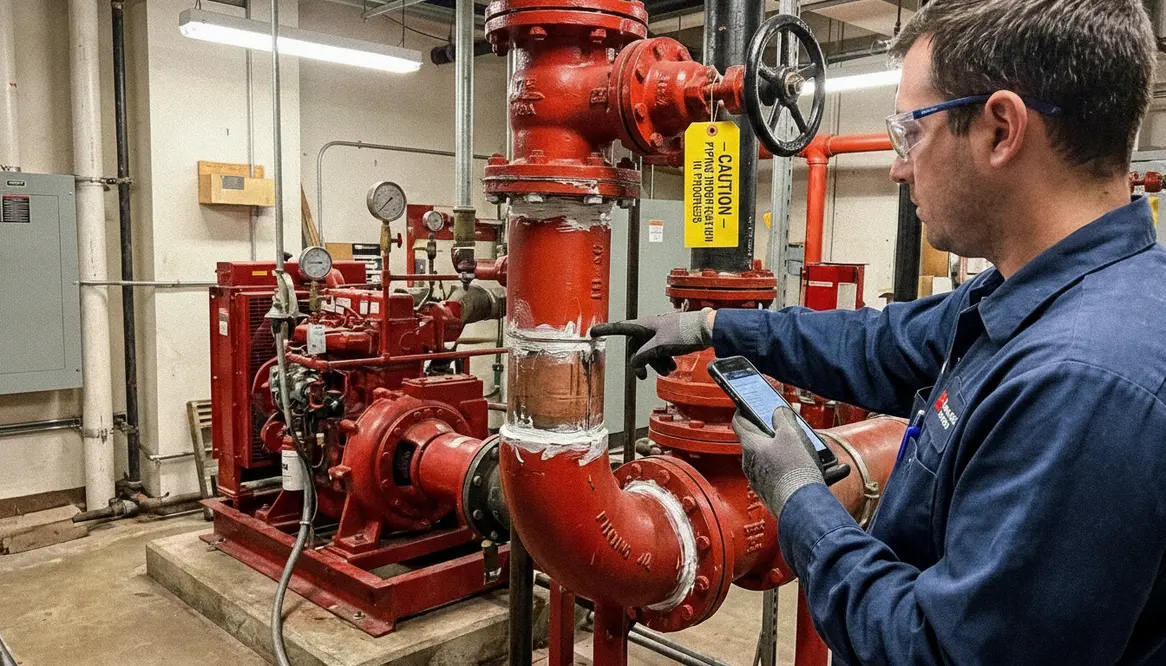
Verify Fire Pump Piping After Modification: Pressure, Flow, and Fire Pump Testing
What Should Be Verified After Fire Pump Piping Is Modified?
When I walk through a commercial or industrial site after a piping change, I do not treat it like a quick glance and a nod from across the room. I treat it like a full checkup for the fire pump piping, because one loose joint or wrong slope can turn a solid fire pump system into an expensive headache. And yes, fire pump testing matters here too, because the system can look fine and still act like a diva when pressure drops. The goal is simple: confirm the piping supports reliable water flow, proper pressure, and safe operation for major buildings and facilities that cannot afford guesswork.
In this article, I will cover what I verify after a piping modification, why it matters, and how I keep the system ready for real world conditions. No fluff, no magic tricks. Just the stuff that keeps the water where it should be when trouble shows up.
Check the Work Before the Water Runs
First, I verify that the modified section matches the approved design and the site needs. I look at pipe size, material, fittings, supports, and valve placement. If someone changed a section to make room for a duct, a ceiling run, or a new piece of equipment, that change still has to protect the full system. In a commercial setting, a small piping decision can affect the whole building like one missed note in a jazz band. Everything sounds off.
I also confirm that all connections are tight and clean. If I see signs of leaks, damaged threads, poor welding, or weak joints, I stop and correct them before moving on. After that, I check that the piping layout still allows proper drainage, no trapped air, and no strain on the pump or related parts. The system should not pull, twist, or fight itself. That is not teamwork. That is chaos in steel form.
Verify Pressure, Flow, and Support in a Clean Layout
I always review three things together: pressure, flow, and support. If one slips, the others often follow. The modified piping must hold the right pressure with no major loss through bends, valves, or new routing. It also must support the needed flow for the building’s demand. A pump can only do its job if the piping lets it breathe, move water, and stay stable.
Next, I inspect hangers, anchors, and guides. Modified piping can shift load in ways the original design did not expect. So I make sure the supports hold the pipe firmly and do not place stress on the pump casing or nearby equipment. I also check for vibration risk. If the line shakes too much, the fix may look fine today and fail later with the kind of timing that makes everyone sigh in unison.
What I Confirm During Inspection
Mechanical Checks
- Pipe size matches the design
- Valves open and close fully
- Joints show no leaks
- Supports carry the load
- No rubbing or stress points appear
Performance Checks
- Pressure stays within range
- Flow path stays clear
- Air can escape properly
- Drainage works as intended
- Vibration stays under control
Run Fire Pump Testing After the Change
After the piping work is complete, I move into fire pump testing. This is where theory meets reality, and reality usually has a few opinions. I confirm that the pump starts properly, reaches the expected pressure, and responds the way the system should. If the piping modification changed head loss, suction conditions, or discharge behavior, testing will expose it fast.
I check suction and discharge pressure, controller response, and any signs of cavitation or unstable operation. I also watch for abnormal sound, shaking, or delayed pressure build. If the pump struggles after the modification, I do not ignore it and hope for the best. Hope is nice for movies. It is not a maintenance plan.
For major properties, I also compare the test results with the site’s required performance values. That helps me confirm the modified piping still supports dependable fire protection under real conditions, not just on paper, where everything always behaves like a perfect intern.
Document the Results and Reset the Fire Pump System
Once I finish the checks, I document everything. I record what changed, what I inspected, what I tested, and what I corrected. Good records help future teams understand the system and spot patterns before they turn into problems. This matters even more in large commercial and industrial sites where multiple trades, upgrades, and repairs can pile up over time.
I also verify that the fire pump system returns to normal operating condition. That means valves in the correct position, alarms reset, power verified, and controls ready for service. If the building uses a network of fire protection systems, I make sure the modified piping still fits the larger setup. For broader support and service insight, I often reference commercial fire sprinkler service guidance as part of a larger protection plan. And for site specific pump information, I also review los angeles fire pump solutions when aligning service needs for major facilities.
FAQ
Quick answers for the steps that keep fire pump piping, fire pump testing, and the fire pump system behaving the way they should.
Conclusion
After a piping modification, I verify the layout, support, pressure, flow, and test results before I call the job done. That is how I protect the reliability of a commercial or industrial fire protection setup. If your facility has recently changed its fire pump piping, do not leave the final step to chance. Review the work, run fire pump testing, and confirm the fire pump system performs the way it should under real conditions. If you want a stronger, safer result, bring in a qualified fire protection team and lock it in now.