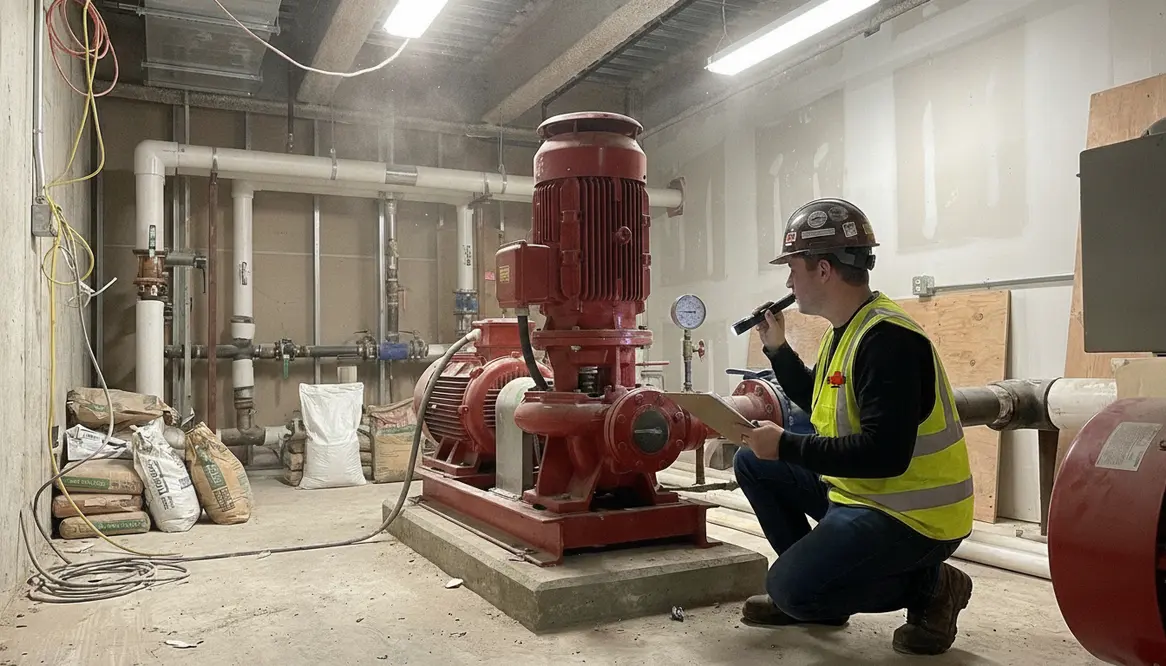
Fire Pump Performance After Renovation What to Check
What Technicians Check When Fire Pump Performance Changes After Renovation
When I walk into a commercial or industrial building after a remodel, I do not assume the fire pump will behave the same way it did before. In fact, fire pump performance changed after building renovation is one of the first red flags I look for, because even a smart upgrade can quietly upset a system that used to run fine. New walls, added floors, pipe reroutes, and fresh electrical loads can all change the way water moves. And yes, the pump may still hum along like nothing happened, which is exactly why I check it carefully before it turns into the star of a very expensive surprise.
Here is how I approach the inspection, and what I look for when performance shifts after renovation in a major property or facility.
Why Renovation Can Change Fire Pump Behavior
Renovation changes the building, and the building changes the demand. That is the short version. A new tenant layout can increase hose demand. A taller section can add head pressure. A new sprinkler zone can alter flow balance. Meanwhile, a pump that once had plenty of margin may now sit closer to its limit. I also check whether the renovation added friction loss through longer pipe runs or more fittings, because water does not enjoy detours any more than I enjoy elevator music.
In commercial and industrial facilities, even small design changes can affect system curve match, suction conditions, and discharge pressure. So I always treat performance change as a system issue, not just a pump issue.
What I Check First When Fire Pump Performance Changed After Building Renovation
I start with the basics, because basics catch the most problems. First, I compare the current pump readings against the pre renovation test records. Then I check discharge pressure, suction pressure, flow rate, and controller alarms. If the numbers shifted, I want to know whether the change comes from the pump, the piping, or the water supply.
I also inspect these points right away:
- Valve position and valve tamper issues
- Strainer clogging or debris from construction dust
- Air trapped in the line after pipe work
- Leaks near joints, fittings, or test headers
- Signs of cavitation, vibration, or unusual noise
Construction dust loves to sneak into places it should never be. It is the uninvited guest of every renovation, and it rarely leaves quietly.
Pressure, Flow, and Power: The Three Big Clues
Pressure
tells me whether the pump can still overcome the system load. If discharge pressure dropped after renovation, I look at added friction loss, suction issues, or a change in pipe size. If pressure rose too high, I ask whether the system now has less demand or whether a control setting changed.
Flow
shows how much water the pump can move under real conditions. I test it against the building’s current demand, not the old one, because the renovation may have changed occupancy or hazard class. That matters a lot in large facilities where a little extra demand becomes a big deal fast.
Power
gives me a clue about the motor and controller. If the current draw changed a lot, I check for electrical loading problems, motor wear, voltage drop, or a controller issue. For related electrical support during facility upgrades, I often review commercial electrical services for major buildings alongside the fire pump review.
What I Look for in Piping, Suction, and Tank Changes
Renovations often touch the piping layout, and that is where many problems hide. I inspect suction piping for new bends, reduced pipe size, poor alignment, or blocked flow. I also check whether the water source changed, because a rebuilt loop, a modified tank, or a new utility tie in can affect suction conditions.
If the building uses a tank, I verify water level, inlet flow, and outlet condition. If it uses a city supply, I confirm whether the available pressure still meets demand during peak use. I also check for backflow assembly changes, since those can add resistance. In short, I trace the water path from source to pump to sprinkler system, because the whole route tells the truth better than the pump alone.
How I Test Controls, Alarms, and Final System Balance
First column:
Control panel I verify start logic, pressure switch settings, phase loss protection, and alarm history.
Jockey pump I check whether it masks a real fire pump issue by keeping pressure artificially stable.
Alarms I confirm that trouble signals, low suction alarms, and run status alerts work as they should.
Second column:
Final balance I compare the pump curve with the system demand after the renovation.
Documentation I update test results, settings, and any corrective steps so the next technician does not need a detective hat.
Standards and Service Follow Up for Commercial Properties
After I confirm the cause, I recommend the fix based on the building’s real use, not guesswork. Sometimes that means rebalancing valves. Sometimes it means resizing piping, adjusting controller settings, or restoring proper suction conditions. In larger properties, I also make sure the fire pump still aligns with the full fire protection package, including sprinkler performance and related service needs. For a broader service view, I may compare findings with fire sprinkler services for industrial and commercial buildings.
If the renovation changed the building enough to alter fire pump performance, I treat that as a call for a full review. That keeps the system ready for the moment it matters most. For local support, I also use los angeles fire pump service and testing as a reference point for inspection and maintenance planning.
FAQ
Conclusion
If your fire pump performance changed after building renovation, I would not wait and hope it settles down like a polite houseguest. I would inspect the pump, piping, controls, and water supply as one system, then correct the issue before it affects protection in your commercial or industrial building. If you want a clear test plan, solid documentation, and practical next steps, now is the time to schedule a full fire pump review and keep your property ready.