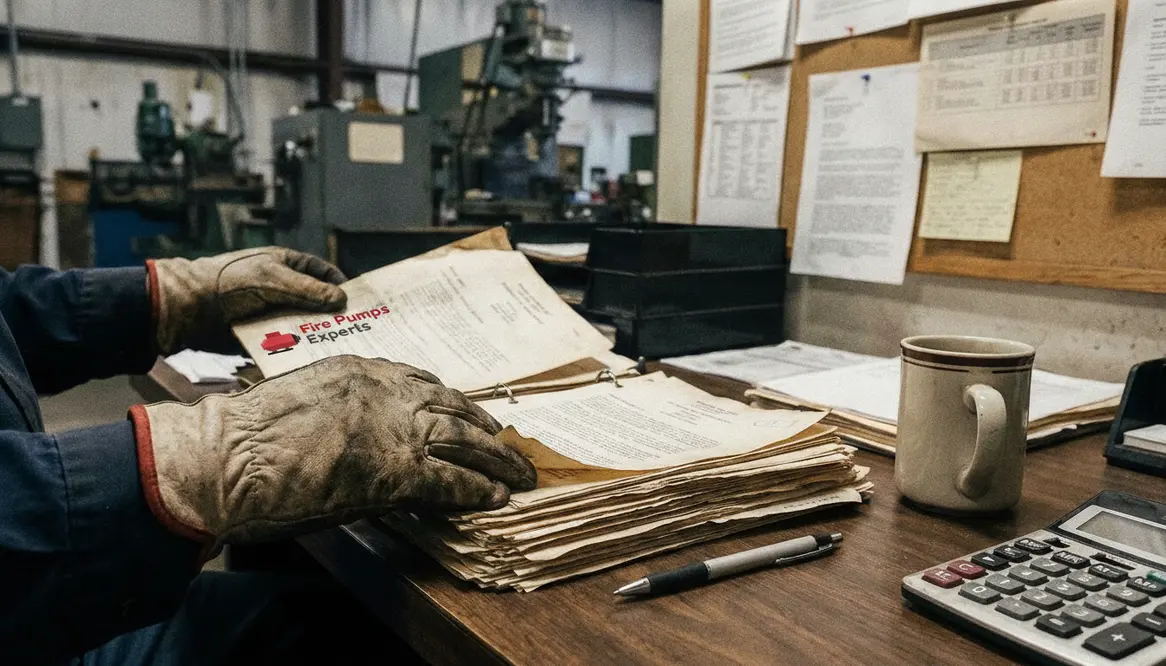
Five Years of Fire Pump Test Reports and Trends
What an Experienced Technician Can Learn From Five Years of Fire Pump Test Reports
When I how to analyze historical fire pump test results, I do not just look for numbers that went up or down. I look for a story. Over five years, a fire pump report can show wear, drift, weak settings, bad habits, and even the quiet warning signs that show up before a real failure. That matters most in commercial and industrial facilities, where one small miss can become one very big problem. And yes, a report can be dull on the surface. Still, like a good detective show, the clues are always there.
What five years of reports really tell me
Five years of test reports give me a full picture of how the pump has aged, how the system has responded to demand, and how well the team has cared for it. I can spot slow pressure loss, weak churn performance, and strange changes in flow before they become costly. In other words, I do not need a crystal ball. I need trend lines, patience, and a decent cup of coffee.
When I review these records, I compare each test against the one before it. Then I look for drift in suction pressure, discharge pressure, rpm, vibration notes, and valve behavior. A single odd result may not mean much. However, five years of results can expose a pattern that no one noticed in the weekly rush.
How to read the trends without missing the warning signs
First, I sort the reports by date and check whether the pump still meets the original curve. If the pump once held steady pressure and now drops a few points each year, I treat that as a real signal. Next, I look at the test conditions. A good report means little if the team changed the setup, rushed the test, or used a bad gauge. Even Batman would struggle with bad data.
I also watch for repeat issues. For example:
- Repeated low suction pressure may point to a supply issue or valve problem
- Slow start times may point to control trouble or motor wear
- Rising vibration may point to alignment, bearing, or base issues
- Changing flow results may show impeller wear or system restriction
Then I ask a simple question: did the pump change, or did the test method change? That one question saves time and prevents bad calls.
How I connect test reports to real maintenance work
Five year fire pump report review checklist
I use the reports to guide action, not just record history. If I see a trend, I tie it to a task list. That may include cleaning strainers, checking for leaks, verifying relief valve operation, or inspecting the controller. This is where experience pays off. I do not guess. I connect the report to the machine.
Sometimes the report points to a small issue that will grow teeth later. A valve that barely sticks today can become the star of a very expensive disaster tomorrow. So I treat minor drift like a warning light on a dashboard. Ignore it, and the car may still drive. But not for long, and not with dignity.
Where the strongest clues hide in the paperwork
I have learned that the best clues often hide in the notes, not the headline numbers. A technician may write that the pump “ran smooth but slower to stabilize.” That line matters. So does a note about unusual noise, warm bearings, or a control panel delay. These small comments often tell me more than a single pass or fail mark.
Also, I compare the fire pump reports with repair logs and facility changes. If the building added new demand, changed piping, or upgraded electrical gear, the pump may now work harder than before. For that reason, I always match test history with plant changes. Kord Fire’s los angeles fire pump service page offers a useful reference point for teams that support commercial and industrial systems and need a better grasp of service scope.
Five years of fire pump data in one view
Here is the simple truth. I learn faster when I place the data side by side. That helps me spot slow loss, repeat failures, and careless testing habits.
In the data column
- Pressure trends
- Flow performance
- Start up time
- Noise or vibration notes
- Repair follow up results
In the meaning column
- System health over time
- Possible wear or restriction
- Control or motor concern
- Mechanical warning signs
- Proof that the fix worked
That layout keeps me focused. It also keeps the story from getting buried under numbers that look fine until they do not.
How to analyze historical fire pump test results for better decisions
When I how to analyze historical fire pump test results for major properties, I want three outcomes: early warning, smarter maintenance, and stronger readiness. I use the five year record to set service priorities, plan parts replacement, and back up budget requests with facts. That is much better than walking into a meeting and saying, “Trust me, it feels tired.” Facilities managers rarely enjoy that style of engineering poetry.
I also look for proof that the pump still fits the property’s needs. A system that worked well five years ago may not match today’s load, layout, or occupancy. Therefore, I use the reports to support upgrades, service plans, and compliance work. If your team also needs broader fire and electrical support, you can review commercial electrical and fire protection services for related system needs. For Australian reference material, Australian fire sprinkler services can also help frame wider protection planning.
FAQ
Conclusion
Five years of fire pump test reports can teach an experienced technician far more than a quick monthly check ever will. I use that history to catch drift, confirm repairs, and protect commercial and industrial facilities before small issues turn ugly. If you want fewer surprises and stronger system confidence, start reading the story inside your reports. Better yet, make that review part of your regular fire pump service plan today.