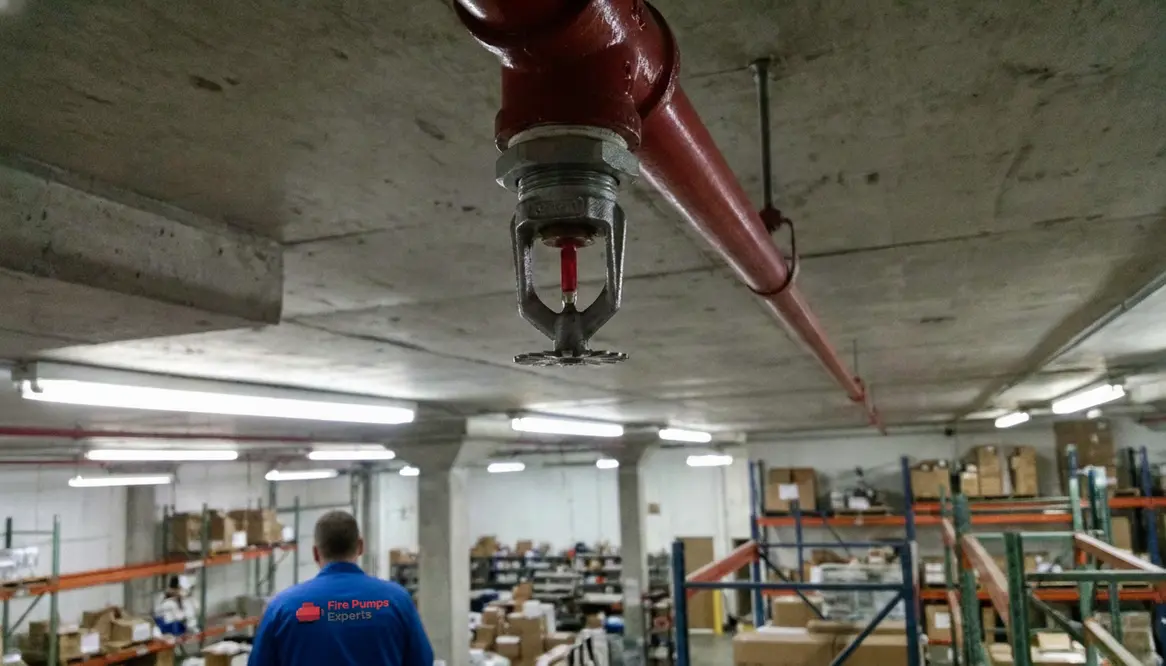
Commercial Sprinkler Systems A Guide for Building Owners
Commercial Sprinkler Systems: A Complete Guide for Building Owners
I have seen one thing hold true in property management: when a fire starts, seconds feel like minutes. That is why commercial sprinkler systems matter so much for commercial and industrial facilities, as well as major property buildings. They do not just protect walls and wiring. They protect people, operations, and the long game of your investment. And yes, they also save you from that awkward meeting where everyone asks why the water did not show up before the smoke did.
In this guide, I will walk through how these systems work, what building owners should know, and how to keep them ready when it counts. I will keep it clear, practical, and useful, because fire safety should never feel like a mystery novel.
What commercial sprinkler systems do
At their core, these systems detect heat and release water where a fire starts. That sounds simple, and in a way, that is the beauty of it. They react fast, limit fire spread, and often control a fire before it becomes a full building event. Also, they usually activate only in the area where heat rises enough to trigger a sprinkler head, so the whole building does not flood like a bad action movie.
For owners of warehouses, office towers, factories, shopping centers, and mixed use property, this matters a lot. A small fire in one corner can turn into a major loss if it spreads through stock, equipment, or upper floors. Commercial sprinkler systems help reduce that risk and support safer evacuation too.
How I choose the right system for a building
The right system depends on the building type, layout, use, and risk level. For example, a storage facility has very different needs than a high rise office or an industrial plant with heavy equipment. So, I look at water supply, ceiling height, occupancy, and the type of materials inside the property.
Here is a simple way to think about it:
Dual column guide for planning
| Building factor | Why it matters |
|---|---|
| Occupancy type | It affects how fast people need to exit and how much fire load exists |
| Ceiling height | It changes sprinkler response and water distribution |
| Water supply | It controls pressure and flow during an emergency |
| Storage layout | It impacts head placement and coverage |
| Hazard level | It shapes the full fire protection design |
Because every property is different, I never treat sprinkler design like a one size fits all solution. That approach is about as smart as using one key for every door in a skyscraper.
What building owners should inspect regularly
Once a system is installed, the work does not stop. In fact, routine care is what keeps protection reliable. I focus on visible issues first, then move to performance checks. If I spot rust, damaged heads, blocked access, leaks, or low pressure signs, I treat those as warning lights, not decorations.
Owners should also test control valves, alarms, gauges, and water flow devices on a schedule that matches the property risk and local rules. In addition, sprinkler heads must stay clear of paint, dust, and stored items. A head that cannot respond cleanly is like a superhero with a cold. It still has a job, but it may not do it well.
Fire pump needs and code support
Many commercial sprinkler systems need a fire pump to keep pressure strong enough during a fire event. That is especially true in larger buildings, tall structures, and sites with long pipe runs or low water supply. I always pay close attention to this part, because weak pressure can turn a good system into a hopeful one. Hope is nice. Fire protection needs more than hope.
For deeper detail, I recommend this AS 2118 fire pump requirements guide for sprinkler systems. It helps explain the standards behind proper pump support and gives building owners a stronger view of compliance.
And if you want a service resource tied to local search needs, this los angeles fire pump service page is also worth reviewing for commercial and industrial properties that need dependable fire water support.
Why maintenance and testing protect your investment
Testing does more than check a box. It helps confirm that the system will work under pressure, under heat, and under stress. That means checking valves, alarms, water supply, and pump performance at set intervals. It also means recording every result so you can spot patterns before they become failures.
Likewise, maintenance protects more than life safety. It can lower downtime, reduce repair costs, and support insurance and compliance needs. If a system fails during a real event, the cost can hit like a ton of bricks. However, regular service keeps that risk in check and gives building owners real confidence.
FAQ
Conclusion
If I own a commercial or industrial property, I treat fire protection as a core part of the business, not a side task. Strong planning, regular testing, and proper pump support all help commercial sprinkler systems do their job when seconds matter most. If you want safer operations, better compliance, and less risk, now is the time to review your system and act before a small issue grows teeth. Call a trusted fire protection team and make sure your building is ready.