How Commercial Fire Sprinkler Systems Work From Water
When I talk about a commercial fire sprinkler system, I am talking about a quiet guardian that sits above the ceiling and waits for trouble like a veteran bouncer at the door. It does not need drama. It needs pressure, water, and smart design. In a commercial or industrial building, that matters because fire can spread fast, and the system must respond faster. So, in this article, I will walk you through the full path, from the water source to the sprinkler head, and show how each part plays its role without any Hollywood nonsense.
What starts the system and keeps it ready?
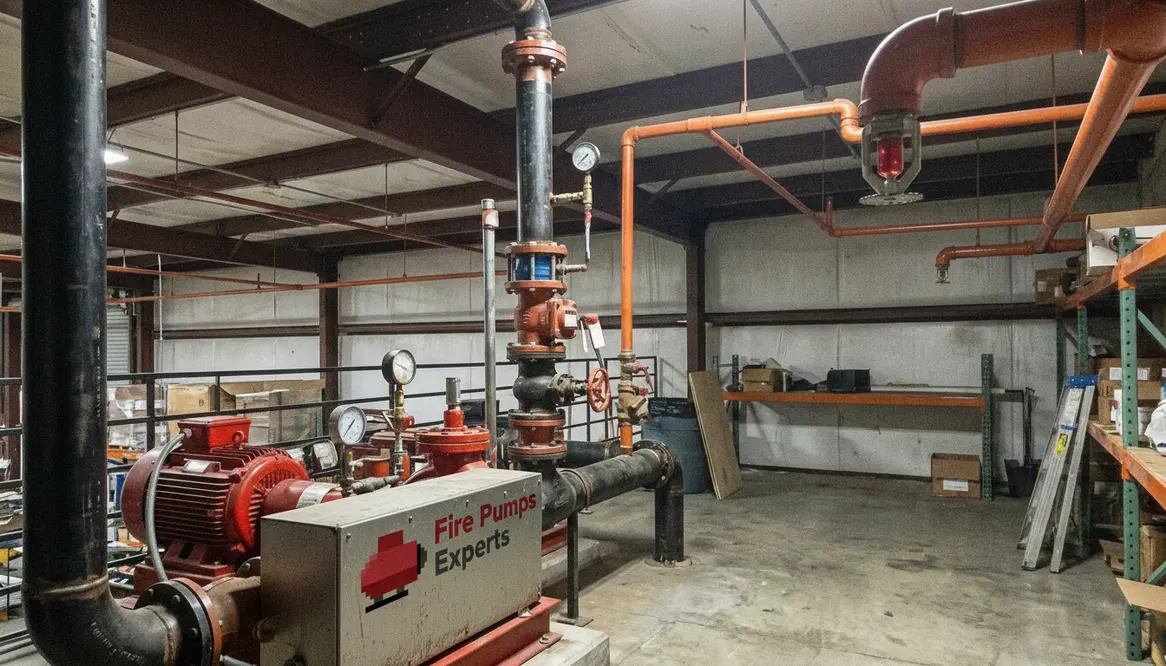
A fire sprinkler setup starts with a dependable water supply. That water may come from a municipal line, a tank, a fire pump, or a mix of all three. First, the supply feeds the riser, which acts like the main highway for water inside the building. Then, valves control flow and keep the system ready without letting water rush through early. I always look at this stage as the calm before the storm. If the supply fails here, the rest of the system is just expensive ceiling jewelry.
Commercial sites often need extra support, especially large warehouses, office towers, and production plants. That is why pump sizing, pressure checks, and system layout matter so much. For a deeper look at pump needs, I recommend reading AS 2118 fire pump requirements for sprinkler systems. It explains how pump demand supports strong performance in demanding buildings.
How does water move through the pipe network?
Once the system gets the signal to act, water moves through a network of pipes that spread across the building. These pipes stay pressurized, which means the system stays alert even while nothing is burning. Then, when heat builds near a sprinkler head, the heat sensitive part opens. Only the sprinkler heads near the fire respond, which limits water damage and keeps the rest of the system calm. That is the clever part. It does not flood the whole floor like a bad action scene. It targets the problem area.
Here is the basic flow in simple terms:
- The water supply feeds the main riser.
- The valve set controls the line and keeps it ready.
- Branch pipes carry water across zones.
- Heat opens the correct sprinkler head.
- Water sprays directly onto the fire source.
How does the sprinkler head know when to open?
The sprinkler head does not “see” smoke or flame. Instead, it reacts to heat. Inside most heads sits a glass bulb or a fusible link. As temperature rises, that part breaks or melts, and water escapes. That design keeps the system selective, which is exactly what you want in a busy commercial building. It is a bit like a well trained security guard who only moves when needed. Efficient. Calm. No overacting.
Different heads serve different areas. Some cover broad open spaces, while others fit tight or sensitive rooms. Because of that, I never treat sprinkler heads like one size fits all parts. The right head must match the hazard, the ceiling height, and the building use. Otherwise, the system may not perform as planned, and no one wants that surprise during an emergency.
Why do pumps and alarms matter in large facilities?
In a major property, gravity alone may not give enough pressure. That is where fire pumps step in. They boost water pressure so the system can reach upper floors and remote zones. In fact, for large commercial and industrial facilities, pump reliability can make the difference between a controlled event and a major loss. I like to think of the pump as the system’s heart. It keeps the water moving with purpose.
Water Side
Supply source enters the building
Pump raises pressure if needed
Pipes carry water to each zone
Sprinkler head opens at high heat
Signal Side
Heat activates the head
Water flow triggers an alarm
Control valves help identify the zone
Teams respond with clear location data
That alarm step matters more than people think. It tells staff and responders where the system activated, which saves time. And in fire protection, time is the only thing that never negotiates.
How do I keep the system dependable over time?
I keep the system dependable with regular checks, water pressure tests, valve inspections, and pump testing. Dust, corrosion, blocked heads, or closed valves can all weaken performance. Therefore, inspections are not optional paperwork. They are the difference between “ready” and “well, that is awkward.” Commercial and industrial properties need scheduled service because their risk profile stays high. More people, more equipment, more storage, more fuel load. The stakes rise fast.
Maintenance also helps confirm that the design still fits the building. If the use of the space changes, the system may need updates. A warehouse can become a mixed use operation. A storage room can become a server area. Then the sprinkler design must keep up. Fire protection does not reward guesswork, and it certainly does not care about wishful thinking.
FAQ
Conclusion
If you manage a commercial or industrial property, I urge you to treat fire protection as a real business priority, not a background task. A strong commercial fire sprinkler system protects people, reduces damage, and supports faster recovery when seconds matter. Review your water supply, pump setup, valve condition, and sprinkler heads now, before trouble ever shows up. If you want a smarter, safer building, take the next step today and schedule a professional system review with a team that knows major properties inside and out.