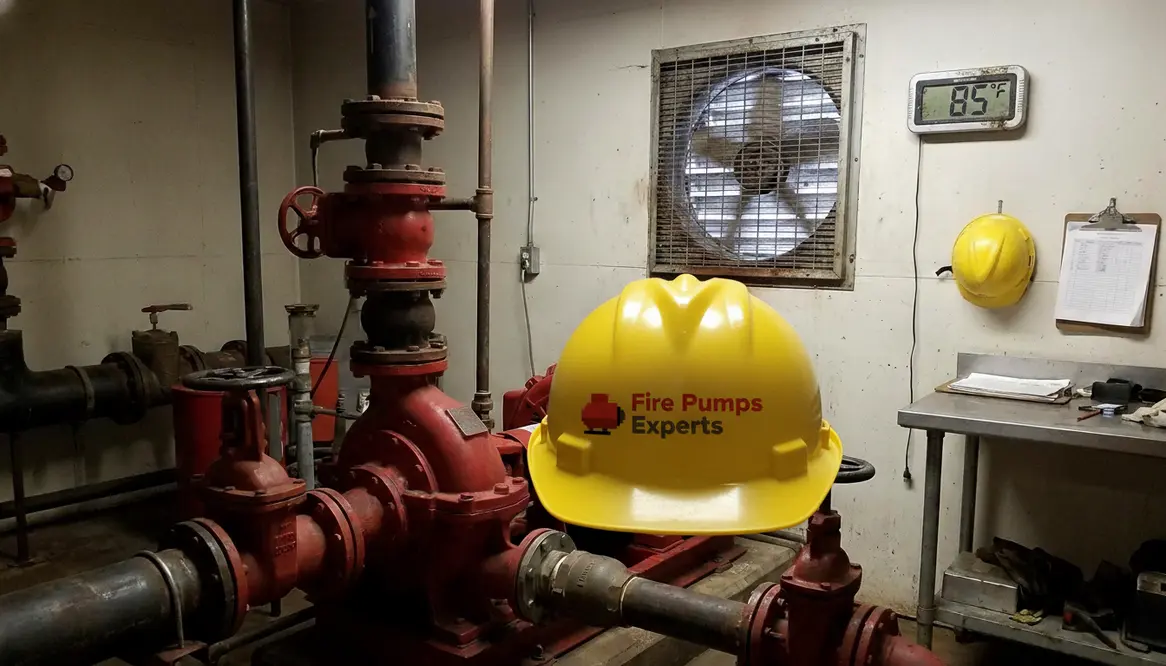
Fire Pump Room Ventilation and Temperature Control
I have seen enough mechanical rooms to know this much: when fire pump room ventilation gets ignored, trouble shows up with a hard hat and a bad attitude. In commercial and industrial buildings, the fire pump room is not just another closet with loud equipment. It protects life, property, and business continuity. So, if the room runs too hot, too stale, or too damp, the pump can suffer long before anyone notices. And that is the sneaky part. The system still sits there looking fine, like a movie villain in a nice suit. But the heat is already doing damage.
That is why I treat temperature control as a core safety issue, not a comfort feature. A well cooled pump room helps the fire pump start fast, run reliably, and stay ready for the moment it matters most. In big facilities, that matters a lot. A missed start during an emergency is not a small inconvenience. It is a crisis with a siren.
Why Temperature Control Protects Fire Pump Performance
Fire pumps work hard, and they do not like heat any more than the rest of us do. When the room stays too warm, the motor, controller, bearings, seals, and nearby electrical parts all take a hit. Over time, high heat can shorten equipment life and raise the chance of failure. I have also seen heat build up because the room has poor airflow, trapped hot air, or weak exhaust. That is where proper ventilation earns its keep.
Temperature control helps in three key ways. First, it keeps electrical parts within safe limits. Second, it helps the pump stay ready for repeated operation during long fire events or testing. Third, it reduces wear caused by hot, still air. In other words, a cool room is not fancy. It is practical. And practical keeps the system on its feet.
What I Look for in a Proper Ventilation Plan
When I review a fire pump room, I look at the whole room, not just one fan on a wall like it is doing all the work for the team. A strong plan usually includes:
- A clear path for fresh air intake
- Exhaust that removes hot air efficiently
- Enough airflow to match the heat load from equipment
- Protection against dust, water, and outside debris
- Placement that avoids short cycling or dead air pockets
Also, the room layout matters. If a large pump sits in a tight space with little circulation, heat rises fast. So does frustration. That is why I always consider room size, equipment load, and local climate together. A system that works in one building may fail in another if the heat gain changes.
How fire pump room ventilation Helps Commercial Buildings Stay Ready
In commercial and industrial facilities, uptime matters. I mean real uptime, not the kind that sounds good in a meeting slide. Proper fire pump room ventilation helps protect major buildings such as warehouses, hospitals, high rise properties, and large campuses where a fire pump must stay dependable under pressure. If the room overheats, the pump may still run, but not at the level people expect when the stakes are high.
Here is a simple way to think about it:
| Good ventilation | Poor ventilation |
| Stable equipment temperature | Heat stress on pump parts |
| Better motor performance | Higher risk of shutdown |
| Longer equipment life | More repairs and early replacement |
| Reliable emergency response | Slower or weaker system performance |
That table tells the story without any drama. Well, maybe a little drama. The good kind. The kind that prevents the bad kind.
What Causes Heat Build Up in Pump Rooms
Heat build up usually comes from a few common issues. Sometimes the room was designed with too little airflow from the start. Sometimes equipment was added later, and nobody adjusted the ventilation. And sometimes someone closed off vents because they thought it would help with noise, which is a bit like putting tape over a fire alarm because it is “too loud.” Not a great plan.
Other causes include poor exhaust placement, broken fans, blocked louvers, or no regular maintenance. In some buildings, outside air brings in heat instead of relief, so the system needs more than basic airflow. It needs the right airflow. That difference matters more than people think.
How I Approach Ventilation Design and Maintenance
I like to keep the process simple, but not sloppy. First, I confirm the room can remove the heat produced by the pump and its related equipment. Next, I check whether the intake and exhaust paths support steady airflow. Then I look at the condition of fans, vents, controls, and any alarms tied to room temperature. Finally, I make sure the setup fits the building’s use, since a busy commercial property has different demands than a smaller site.
Regular maintenance matters just as much as design. Dust buildup, failed fans, and blocked openings can turn a solid system into a weak one. So, I treat ventilation like a living part of the fire protection plan, not a one time install that gets forgotten after the ribbon cutting. Buildings change. Equipment ages. Airflow should keep up.
Why Facility Teams Should Act Before Trouble Starts
When a fire pump room runs hot, the warning signs often arrive slowly. A little extra wear here. A hot motor there. Then one day the system needs to perform and acts like it just woke up from a nap. That is why I push teams to inspect temperature control early and often. It saves money, protects assets, and supports code compliance for major properties that cannot afford a weak spot.
If you need a stronger plan, start with a review of your current setup and compare it to the building’s heat load and use. Then work with specialists who understand commercial and industrial fire protection systems.
FAQ
Final Thoughts
If you want your fire pump to stay ready, do not let heat run the show. Review your room temperature, inspect airflow, and fix weak spots before they turn into expensive problems. I encourage every facility team to take a fresh look at their system now, not after a failure. If your building depends on dependable fire protection, then your next move should be clear: improve the room, protect the pump, and keep your operation ready for the worst while hoping for the best.