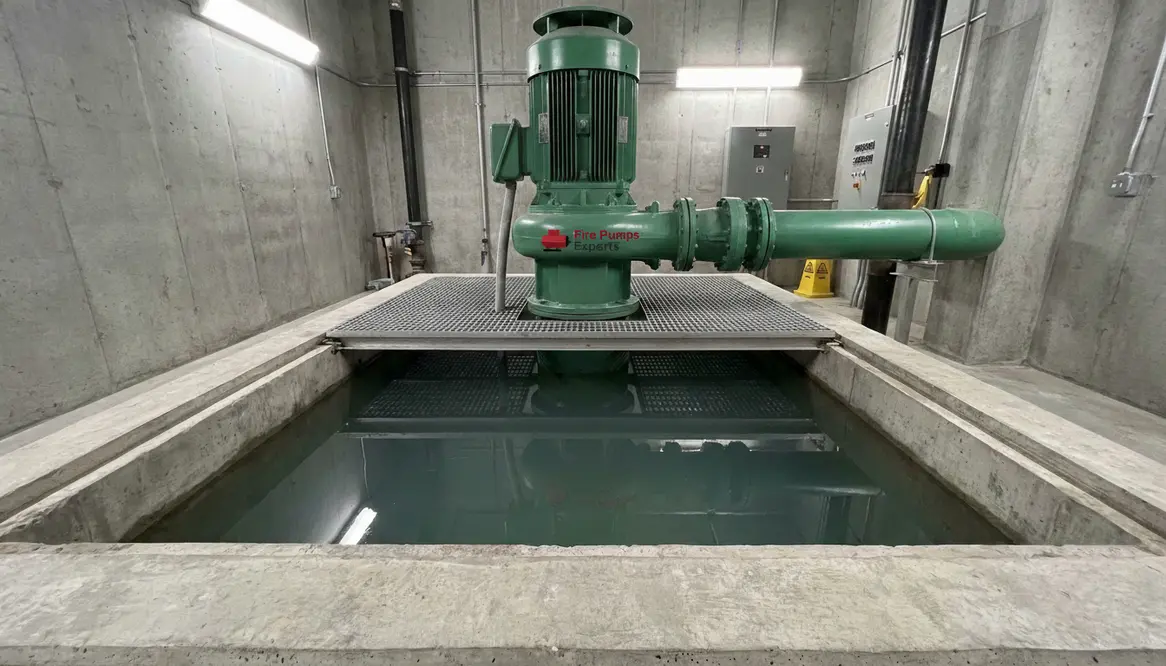
Vertical Turbine Fire Pump Wet Well Design Explained
When I look at a fire pump system for a commercial tower, a hospital, or a heavy industrial site, I always start with the wet well. That is where the vertical turbine fire pump wet well does its quiet, hard work. It holds the water, supports the pump intake, and helps the system perform when the pressure turns urgent and nobody has time for drama. And let me tell you, a wet well that looks “good enough” on paper can become a very expensive lesson in the real world. So, I want to walk you through the design in plain language, with the kind of detail that helps owners, engineers, and facility teams make smarter calls.
What the wet well must do
I design around one simple idea: the wet well must feed the pump with clean, steady water. If it cannot do that, the whole system starts acting like a lead actor who forgot the script. First, the basin must store enough water for the fire pump to meet demand. Then, it must guide flow into the suction inlet without pulling in air, debris, or swirl. Also, it must stay reliable during low water, high demand, and maintenance cycles.
In commercial and industrial facilities, the wet well also has to fit the site. That means I consider soil conditions, available footprint, pump depth, and the water source. I also check local code needs and the project’s fire flow target. A vertical turbine fire pump wet well can handle deep water sources well, but only if the wet well supports proper submergence and smooth inflow. In other words, the basin is not just a hole with water in it. It is a performance space.
Design mindset that prevents “surprise mode”
A wet well design is not a trophy for drawings. It is a working relationship between water, concrete (or steel), piping, and the pump. When I plan the vertical turbine fire pump wet well, I think about what happens at the worst moment: demand spikes, water level drops, and crews are busy. If the basin is ready for that, the system stays boring in the best way.
Key outcomes to target
- Steady suction conditions across the operating range
- Low swirl, minimal air ingestion, and debris management
- Reliable water during high demand and maintenance cycles
How I size the basin and shape the flow
When I size a wet well, I look at usable water volume, pump intake location, and the expected drawdown. I also make sure the water level stays high enough above the bell so the pump does not gulp air like it just ran a marathon. That means I pay close attention to minimum submergence and the lowest operating level.
Here is the part people often skip: flow shape matters just as much as volume. If water enters the basin too fast, or from the wrong angle, it can create vortices, uneven velocity, and trash pickup. So, I often use inlet baffles, calm zones, and a good plan for inlet pipe placement. I also avoid sharp turns near the intake because water, like people in rush hour, hates awkward changes in direction.
Wet well design for fire pump performance
I treat the vertical turbine fire pump wet well as part of the fire pump system, not a separate box. That means I design the wet well to protect suction conditions and keep the pump stable under demand. For commercial buildings and industrial properties, I focus on four things:
- Intake location so the pump receives even flow
- Submergence depth so the bell stays covered at all times
- Debris control to limit clogging and wear
- Access space for inspection, cleaning, and repair
Also, I think ahead about maintenance. If crews cannot inspect the basin safely, the design is already working against itself. So, I add access points, safe entry planning, and room for service equipment. After all, a fire pump that is hard to maintain becomes a future headache, and nobody wants that surprise before a code review.
What I check for code, construction, and maintenance
In the real world, design is only half the game. Construction and upkeep carry the rest. So, I check the basin walls, floor slope, inlet placement, and structural strength. I also make sure the wet well can handle the load from surrounding soil and groundwater. If the structure cracks or shifts, the intake can move, and then the pump starts fighting the system it should support.
At this point, I also review how the vertical turbine fire pump wet well ties into the rest of the fire protection design. If you want a wider system view, I recommend reading our vertical turbine fire pump guide for commercial facilities. It helps connect the wet well to pump selection, installation, and long term performance.
A quick checklist that actually gets used
If you need a local service reference, see los angeles fire pump service support for commercial and industrial properties. Then, bring the checklist into the field.
FAQ
Conclusion
If I want a fire pump system to work when it matters most, I start with the wet well and I take it seriously. Good design protects flow, supports the pump, and reduces future trouble for commercial and industrial facilities. So, if you are planning a new project or reviewing an existing one, I would move the vertical turbine fire pump wet well to the top of the list. The right design today can save time, money, and a whole lot of stress later. Let’s get it done right.