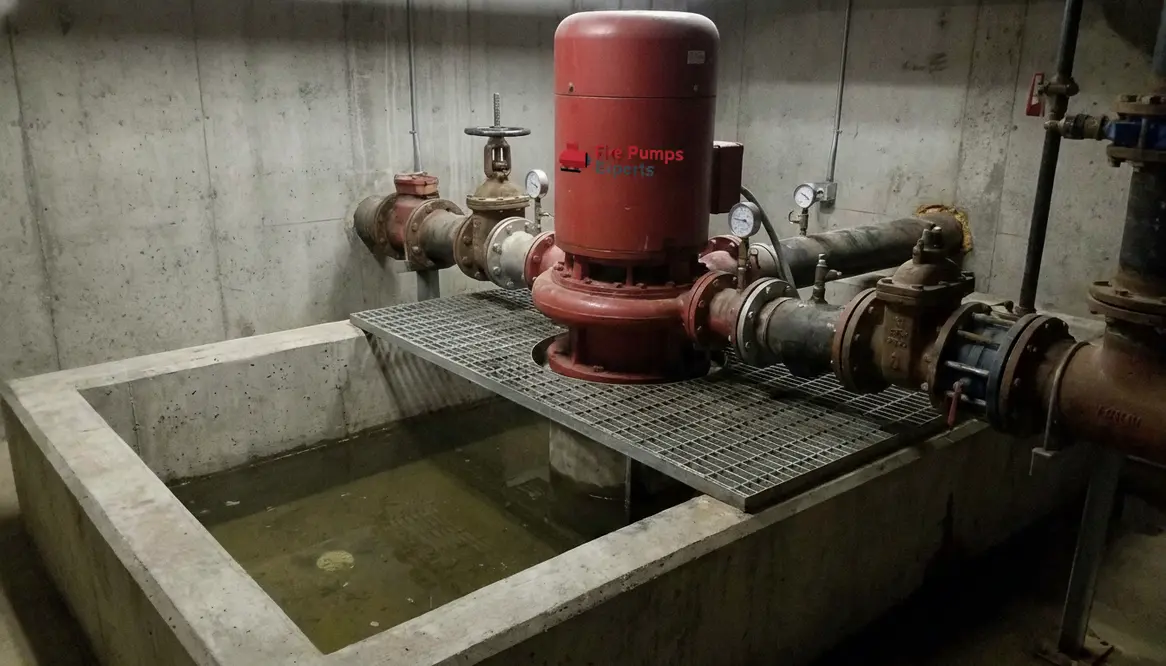
Vertical Turbine Fire Pump Wet Well Design Explained
I have seen plenty of fire pump rooms in my time, but the vertical turbine fire pump wet well is where the real work often begins. It is the quiet, hidden part of the system that keeps water ready when life takes a hard left turn. In commercial and industrial facilities, and in major property buildings, the wet well does not just store water. It supports dependable flow, stable suction, and fast response. If the design misses the mark, the whole system can act like a hero arriving late to the movie. And nobody wants that.
In this article, I will walk through the design basics, the key parts, and the choices that shape performance. I will keep it practical, clear, and useful for anyone planning a fire protection system for a large facility.
What a wet well does in a fire pump system
The wet well serves as the water source for a vertical turbine fire pump. It holds water at a level that lets the pump draw smoothly and without trouble. Because the pump sits above the water source, the wet well must deliver clean, steady flow to the suction inlet. That matters because fire pumps do not like drama, and they enjoy predictable conditions.
First, I look at water volume. Then, I look at water quality, refill rate, and the way the basin handles flow. If the wet well allows air, swirl, or sediment to reach the intake, the pump can lose efficiency. As a result, the system may struggle when demand rises. For a commercial or industrial site, that risk can turn into a serious liability. So, I treat the wet well as a core part of the fire protection plan, not a side note.
How I plan a vertical turbine fire pump wet well layout
When I plan a vertical turbine fire pump wet well, I start with the site demand and the required pump capacity. After that, I check the available space, expected water level changes, and the source of supply. A good layout keeps the pump inlet far enough from walls, floor surfaces, and other obstructions so the water can move in a clean path.
Here is the simple truth: water likes the easiest route. So, I shape the wet well to avoid dead zones and swirling flow. I also make sure the inlet stays submerged at all times during pump operation. If the water level drops too low, the pump can pull air, and that is a problem nobody can solve with wishful thinking.
Two things I always check:
Enough submergence above the intake so air does not enter the system
Proper spacing around the intake to reduce turbulence and vortex formation
In practice, this means the basin shape, pump setting depth, and inlet placement all work together. If one piece is off, the whole design feels it.
Why water flow and suction conditions matter
Water flow inside the wet well can make or break pump performance. A smooth flow path helps the pump move water with less stress. On the other hand, rough flow can pull in air, trap debris, or create swirl. That swirl may sound harmless, but it can act like a tiny whirlpool with bad manners.
I also pay close attention to suction conditions. Vertical turbine pumps depend on stable intake conditions to keep discharge pressure where it should be. Therefore, I look at entrance velocity, intake depth, and the chance of sediment buildup. In industrial settings, water may carry dirt or fine solids, so I plan for cleaning access and good basin drainage. That way, maintenance teams can inspect and service the system without a full production shutdown, which is always a nice change of pace.
For a deeper look at pump system planning, I suggest reviewing this vertical turbine fire pump systems guide. It helps connect wet well design with the rest of the fire pump setup.
How I check code, safety, and maintenance needs
Design is not only about shape and size. It is also about safety, access, and long term care. I always check the project against local code and fire protection standards. Then, I review how the wet well will be inspected, cleaned, and tested over time. A great design on paper can still fail if crews cannot reach it safely.
Design focus
Maintenance focus
Proper submergence
Routine cleaning access
Low turbulence intake
Sediment removal plan
Reliable suction flow
Inspection room and safe entry
That simple split tells the story. Good design supports easy maintenance, and easy maintenance supports reliable fire protection. In the long run, that saves time, money, and a fair bit of frustration. If you have ever watched a repair crew wrestle with a tight, awkward basin, you know exactly what I mean.
For industrial and large property projects, I also recommend checking a trusted local resource like los angeles vertical turbine fire pump services. It is a useful starting point for site specific planning and support.
FAQ about wet well design for fire pumps
What is the main job of a wet well?
It stores water and feeds the fire pump with steady suction.
Why is submergence important?
It helps keep air out of the pump intake.
What causes poor pump performance?
Swirl, air entry, low water level, and debris can all hurt performance.
Does basin shape matter?
Yes. It affects flow, turbulence, and sediment control.
How often should a wet well be inspected?
It should be checked regularly based on site use and code needs.
Can one wet well serve a large facility?
Yes, if the design matches demand and pump capacity.
Should maintenance access be part of design?
Absolutely. Safe access makes inspections and cleaning much easier.
Is this design only for certain buildings?
Yes, it is best suited for commercial, industrial, and major property fire protection systems.
In the end, a strong wet well design gives your vertical turbine fire pump the stable water source it needs to do its job without hesitation. If you are planning a system for a commercial or industrial facility, I encourage you to review the layout early, check the water conditions, and build for long term reliability. Do that, and you will protect both the property and the people who depend on it. If you want help turning design into a real world plan, take the next step today.