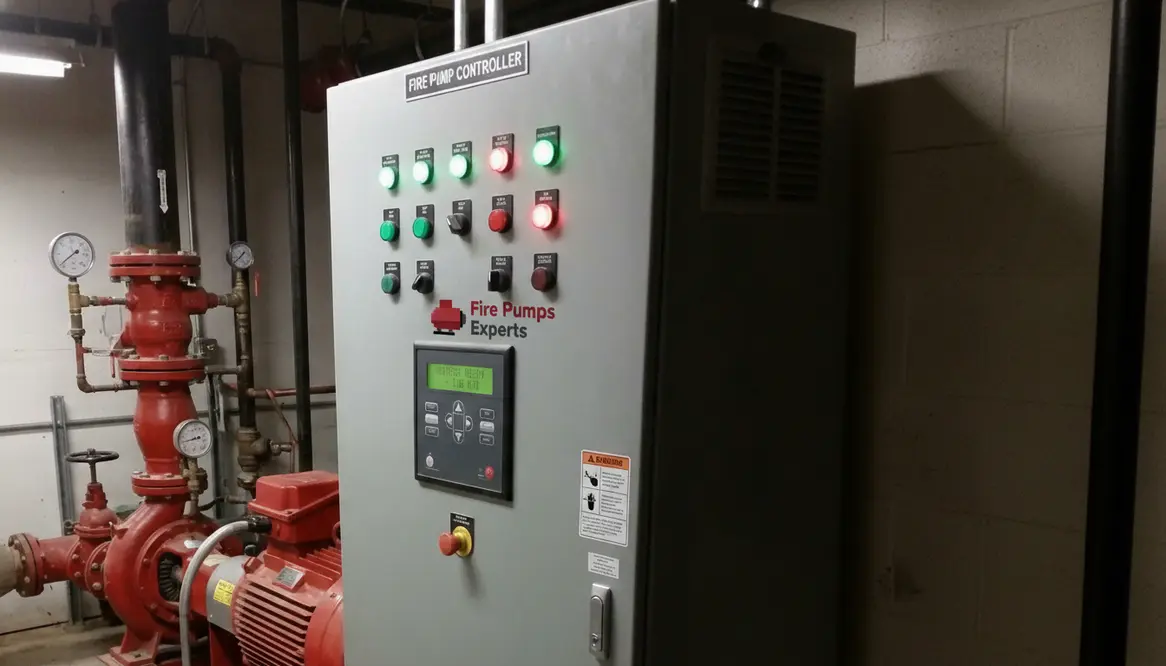
Fire Pump Controller Start Monitor and Protect
Fire Pump Controllers: How They Start, Monitor and Protect Fire Pumps
In a commercial tower, a warehouse, or a heavy industrial site, a fire pump controller does a quiet but vital job. It wakes the pump when pressure drops, watches the system like a hawk, and helps protect equipment that may one day stand between a fire and a full scale disaster.
I like to think of it as the stage manager in a very serious play. Nobody cheers for it, yet the whole show falls apart without it. And yes, that is a little dramatic. But when water pressure matters, drama is part of the job.
Why the controller matters
A well configured fire pump controller helps avoid delay, confusion, and costly failure when every second counts.
How a Fire Pump Controller Starts the Pump
When a fire system calls for water, I need the controller to respond fast and with no hesitation. First, it reads the pressure in the fire protection line. If the pressure drops below a set point, the controller sends a signal to start the pump. That start can happen in different ways, depending on the system design. Across many commercial and industrial facilities, the controller may use electric, diesel, or combination start logic.
The start sequence follows a strict path. The controller checks the power source, confirms the command, and then engages the pump motor or engine starter. After that, it keeps the pump running until a proper stop command arrives. In most fire systems, the pump does not shut off just because pressure rises again. That would be like stopping a movie five minutes before the ending. Nobody wants that surprise.
What happens during a pump start?
- The pressure sensor detects a drop
- The controller confirms the start condition
- The starter activates the fire pump
- The pump delivers water into the sprinkler or standpipe system
This process matters because large buildings need steady water flow during an emergency. So, a well set fire pump controller helps avoid delay, confusion, and costly failure.
Monitor fire pump performance in real time
Once the pump starts, the controller keeps working. It does not sit back with a coffee and a crossword. Instead, it watches key signals that show whether the pump runs the way it should. It tracks pressure, power status, phase loss, engine speed, battery condition, and alarm conditions. As a result, facility teams get a clear view of system health before a small issue turns into a big one.
How do I know the pump is healthy?
I look for stable pressure, normal voltage, proper current draw, and no alarm lights. If the controller shows a fault, I want to know right away, not after a fire drill turns into a real event. This kind of live monitoring helps protect hospitals, data centers, high rise buildings, and industrial plants where downtime can hit hard.
Also, modern controllers often include local indicators and remote signals. That means operators can receive alerts at a control room, a security desk, or a fire command center. In other words, the system tells the truth even when nobody asked for it. Very rude, very useful. In a well built fire pump controller setup, monitoring is not optional; it is the job.
Protect the system before trouble spreads
A strong controller does more than start a pump. It also protects the whole fire protection setup. It can detect problems such as low battery, power failure, pump fail to start, engine trouble, overheat, or abnormal current. Because of that, maintenance teams can act early and avoid deeper damage.
Here is where good design really earns its keep. A controller can trigger alarms, record events, and support test cycles. That record helps crews understand patterns and catch weak points. For example, if voltage keeps dipping at the same hour, the issue may point to building load changes or supply trouble. So, the controller becomes both guard dog and detective. Sherlock Holmes with a hard hat, if you will. That is how a fire pump controller protects assets before an emergency turns into a headline.
| Controller Task | Why It Matters |
|---|---|
| Start pump on pressure drop | Keeps fire suppression ready |
| Watch alarms and faults | Helps teams fix issues early |
| Log system events | Supports testing and service work |
| Protect electrical and engine parts | Reduces risk of failure |
Choose the right controller for major buildings
For commercial and industrial facilities, I always focus on system fit, not just brand names or shiny panels that look like they belong on a sci fi set. The right controller must match the pump type, power source, building size, and fire code needs. It should also support routine testing and easy inspection.
What should I check before choosing one?
I look at the pump configuration, the alarm output, the enclosure type, and the monitoring features. I also want clear wiring, simple controls, and reliable start logic. In large properties, every minute counts, so the controller should help staff act fast without digging through a maze of buttons and lights. A dependable fire pump controller makes that response practical instead of theoretical.
If you want a deeper look at system setup for large properties, I recommend this fire pump controller guide for commercial systems. For local support, you can also review this los angeles fire pump solution resource for more details on fire pump services for major buildings.
FAQ
Keep your system ready now
If I manage a commercial tower, plant, or major property, I do not wait for a fire to test my system. I make sure the controller, pump, and alarms work together before trouble arrives. That is the whole point. A reliable fire pump controller gives me fast starts, clear monitoring, and solid protection when the pressure drops and the stakes climb. If your facility needs dependable fire pump controller support, now is the time to review your setup, tighten your maintenance plan, and act before the system gets a chance to surprise you.