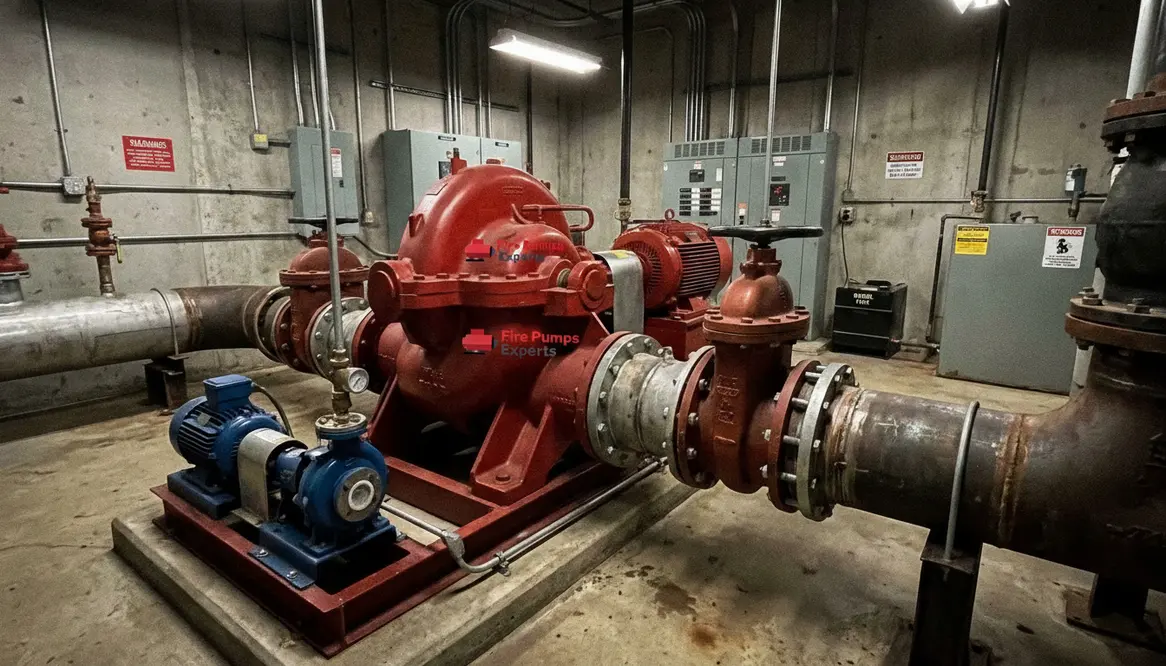
Fire Pump Types for Commercial Buildings
When I help people sort through fire pump types for commercial buildings, I always start with one truth: the right pump is not the fanciest one, and it is not the loudest one either. It is the one that matches the building, the water supply, and the risk. In a tall office tower, a busy mall, or a warehouse that never seems to sleep, the wrong choice can turn a small fire issue into a very expensive lesson. So, let me walk you through the process in plain language, with enough detail to make the decision feel clear, not like some fire safety version of a mystery movie.
Start with the building needs
I always look at the building first because the building decides the job. A high rise needs stronger pressure than a low rise. A warehouse may need fast water delivery across a wide area. A hospital, hotel, or data center may need steady flow with very little room for failure. So, I ask about height, square footage, occupancy, and sprinkler demand. Then I check local rules and the fire protection plan. If the building has special hazards, I factor those in right away. That step matters because fire pumps do not work well when we ask them to do a job they were never built for.
Compare the main pump options
Here is the simple view I use:
Column one
- Electric fire pump: best when reliable power is available and the building wants lower upkeep.
- Diesel fire pump: useful when power loss is a real risk and backup strength matters.
- Jockey pump: keeps system pressure stable and reduces needless starts of the main pump.
Column two
- Vertical turbine pump: a strong choice when the water source sits below the pump room.
- Split case pump: good for larger flow needs and steady performance in major properties.
- End suction pump: often a simpler fit for smaller commercial systems with modest demand.
Each type has a role. However, I never pick one just because it sounds impressive. That is how people end up with more pump than they need, which is like buying a tank for a housecat.
Match the pump to water supply and power
This part matters more than many owners expect. A fire pump can only perform well if the water source and power setup support it. So, I check whether the supply comes from a city main, tank, reservoir, or lake. Then I look at flow and pressure at the point of connection. If the water source is weak, I may need a different pump style or a storage plan. I also review power reliability. An electric unit works well when power stays stable. On the other hand, a diesel unit gives another layer of backup when outages are a concern. In places with strict uptime needs, that choice can feel a lot like choosing between Batman and Iron Man. Both have tools, but the mission decides the hero.
Choose based on maintenance and operating cost
I do not just think about day one. I think about year five, year ten, and every test in between. Electric pumps often need less routine upkeep than diesel units. Diesel pumps, however, can offer strong resilience if the building cannot tolerate power loss. Still, they need fuel checks, engine service, and more hands on care. Jockey pumps also help by reducing wear on the main system. So, I always weigh labor, parts, testing, and inspection needs. If a building team is small, a simpler setup may serve better than a complex one that looks great on paper but eats time like a villain in a bad sequel.
How I make the final pick for fire pump types for commercial buildings
I narrow the choice by asking four questions: What flow does the system need? What pressure must the pump deliver? What water source do we have? What backup power can the site support? After that, I compare the building’s risk level with the pump’s strength and care needs. I also review the fire code, the sprinkler design, and the long term plan for the property. When I advise on fire pump types for commercial buildings, I want the pump to fit the property, not just pass a basic checklist. That is the difference between a system that looks ready and one that truly is ready.
FAQ
What is the best fire pump for a commercial building?
The best pump depends on water supply, building height, and power backup.
Do all commercial buildings need a fire pump?
No. I only recommend one when the fire protection system needs added pressure or flow.
What is the role of a jockey pump?
It keeps pressure steady and helps prevent the main pump from starting too often.
Which pump is best for power outages?
A diesel fire pump often works well when outage risk is high.
How often should fire pumps be tested?
They should be tested on a regular schedule based on code and site needs.
Need help choosing the right system?
I recommend starting with a full site review before you buy anything. For a deeper look at los angeles fire pump solutions, review the options with a team that works only with commercial and industrial properties and major buildings. If you want the safest match for your site, contact a qualified fire protection specialist today and get the choice right the first time.
Quick answers before you decide
Closing thought
If you remember one thing while you compare fire pump types for commercial buildings, make it this: the best choice is the one that fits the building, respects the water supply, and matches the risk. That is how the system ends up truly ready, not just impressively named on a spec sheet.