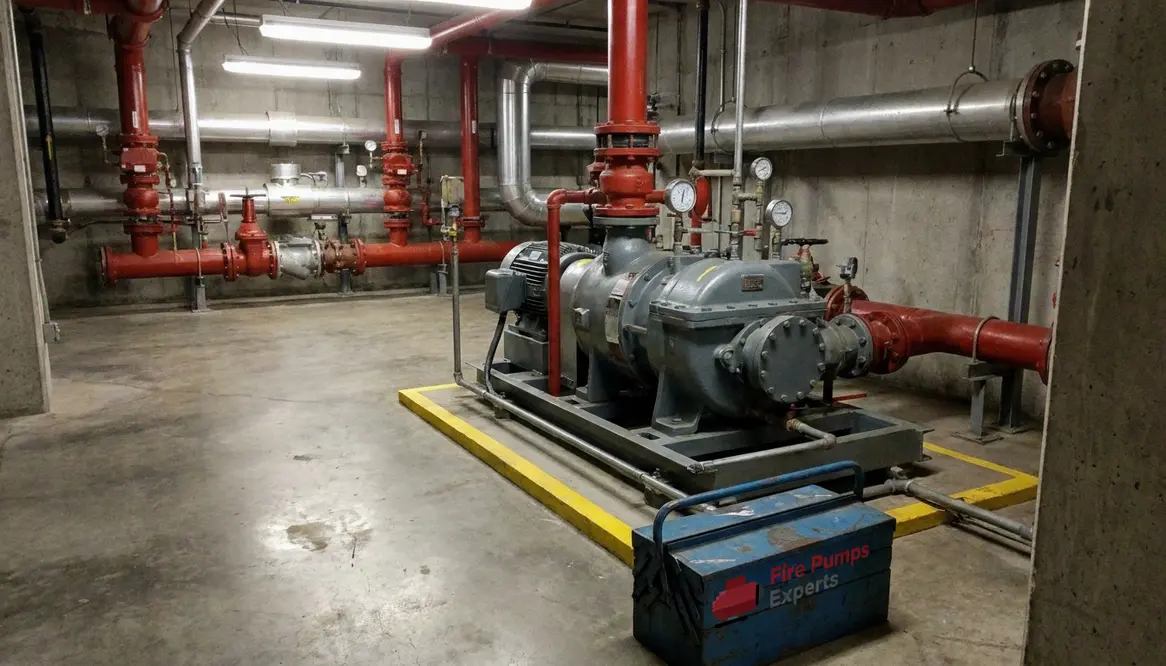
Positive Displacement Fire Pump in Special Hazards
When I talk about fire protection in commercial and industrial settings, the positive displacement fire pump always deserves a close look. It does not act like a noisy hero in an action movie, yet it does one job with serious discipline. It moves a fixed amount of water with each cycle, which makes it useful in special fire protection systems where steady delivery matters. In this article, I will break down when it gets used, why it fits certain facilities, and what decision makers should know before they choose one. And yes, I will keep it practical. No smoke, no mirrors, just the facts with a little personality.
What a positive displacement fire pump does in real facilities
I use this type of pump when a system needs reliable pressure and a controlled flow pattern. Unlike other pump types, it does not depend on speed alone to push water. Instead, it traps a set amount and moves it forward. That makes it useful in systems where water demand stays limited but pressure still has to stay strong.
In simple terms, I would think of it like a careful waiter. It does not rush the whole kitchen at once. It brings out exactly what the table needs, every time. That consistency matters in certain fire protection setups, especially where water supply is not ideal or where a system needs a very specific pressure range.
I see these pumps used most often in commercial and industrial facilities that protect special hazards. For example, they can support foam systems, chemical protection areas, and other locations where water must move in a controlled way. Because of that, they are not a one size fits all choice. They fit specific jobs, and they do those jobs well.
When I recommend this pump for fire protection systems
I recommend this pump when a facility has a clear need for stable pressure and a known flow demand. That usually means the system serves a process area, not a broad open building. So, if I am looking at an industrial plant, fuel storage area, or a major property with special suppression needs, I pay attention right away.
Here is a quick comparison that shows where it fits best:
Best fit:
Special hazard systems, foam water systems, process areas, and facilities with controlled fire protection demand.
Not the best fit:
Large general purpose sprinkler systems that need very high flow across many zones.
Also, I look at the water supply. If the source has pressure problems or the system needs a pump that can maintain output without much drama, this design can make sense. After all, a fire system should not act like a moody coffee machine on Monday morning. It should work when needed, every time.
Why commercial and industrial buildings choose it
Commercial and industrial facilities choose this pump for one main reason: control. They often protect assets that need a specific response, not just a flood of water. Therefore, the pump gives engineers more precision when they design the system.
I also value its predictable output. Since it delivers a fixed volume per cycle, I can match it to a system that needs steady pressure over a defined range. That helps when the building owner wants a solution that supports special suppression methods and critical operations.
In many major properties, uptime matters as much as safety. Because of that, I like equipment that supports both. A strong fire protection setup can reduce damage, keep operations moving, and lower the stress of an emergency. Nobody wants to explain to leadership that the disaster plan looked great in the binder but failed in real life. That story never ages well.
How I decide if it is the right choice
When I evaluate a project, I start with the hazard type, water source, and system demand. Then I ask whether the facility needs fixed output or broad flow. If the answer points to a special hazard, the positive displacement fire pump becomes a real option.
To narrow it down, I use these checks:
- Does the protected area need steady pressure?
- Is the system tied to a special hazard or process risk?
- Does the water source need help under tough conditions?
- Will the pump serve a commercial or industrial use only?
- Does the project call for a more controlled fire protection response?
When those answers line up, I move forward. If they do not, I look at other pump types instead. That is not indecision. That is good engineering, which is a lot less glamorous than a movie montage, but far more useful when the alarm sounds.
What I check before installation and service
I never treat installation like a checkbox exercise. First, I confirm that the system design matches the pump’s fixed output. Then I review the suction conditions, the discharge setup, and the control plan. If any part of that chain looks weak, the whole system can suffer.
I also think about service. A positive displacement fire pump needs proper inspection, testing, and maintenance just like any other critical fire protection equipment. Over time, seals, alignment, and system parts need attention. So, I always plan for service early, not after a problem shows up and ruins everyone’s afternoon.
For facilities that want a deeper look at system options, I suggest reviewing this guide to positive displacement fire pump applications. It helps connect the pump type to real site needs. And for local project planning, I also recommend the los angeles fire pump services page for commercial and industrial fire protection support.
FAQ
Quick answers to the most common questions about the positive displacement fire pump and where it belongs in special hazard planning.
Common questions
Final thoughts and next step
If your commercial or industrial facility needs controlled fire protection for a special hazard, I would not ignore this pump type. It can bring the kind of steady performance that critical systems demand. So, if you are planning a new design or reviewing an old one, take the next step now. Talk with a fire protection professional, review your hazard profile, and confirm whether this solution fits your site. A smart choice today can save a very expensive headache tomorrow. For many special hazard setups, the positive displacement fire pump is the calm, controlled option that keeps pressure and delivery exactly where they need to be.