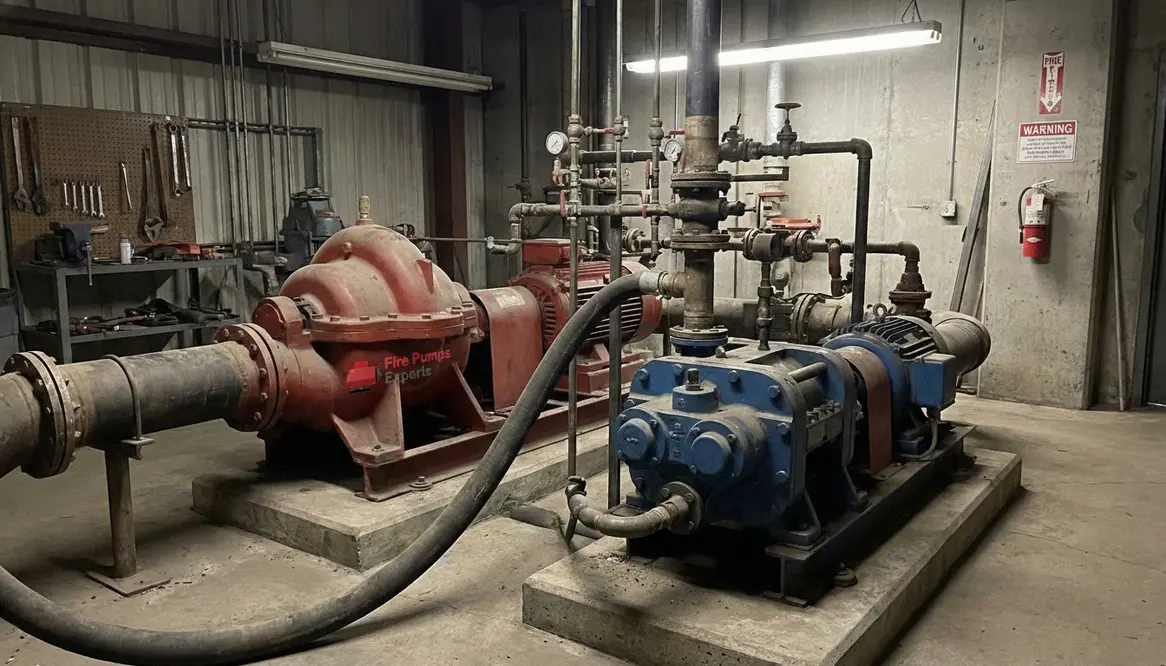
Choosing Centrifugal or Positive Displacement Fire Pumps
When I compare a centrifugal vs positive displacement fire pump, I look past the labels and get straight to the job. In a commercial tower, a warehouse, or a large industrial site, the pump has one mission: deliver water fast, under pressure, when everything else is going sideways. And yes, that is the kind of pressure even a superhero would respect. I have found that the right choice depends on flow demand, system design, and the kind of risk your building carries. So, let me walk through the real differences, with no fluff and no smoke machine.
Quick framing
- Flow demand drives the first decision.
- System design decides how the pump behaves in the real world.
- Risk and controls decide how safely it can run when conditions change.
What a centrifugal fire pump does best
A centrifugal fire pump uses a spinning impeller to move water. In simple terms, it throws water outward, then turns that motion into pressure. I like this design for large commercial and industrial properties because it handles high flow with steady performance. It works best when the system needs a lot of water over a short time, which is common in big buildings and site wide protection setups.
Because of that, centrifugal pumps often fit sprinkler systems, standpipe systems, and fire protection networks that need broad coverage. They also run with a smooth flow curve, so they feel dependable rather than dramatic. No diva behavior, no theatrics, just strong, predictable output. However, they do need proper priming and a system that matches their flow range. If the demand changes a lot, performance can shift too.
What a positive displacement pump does best
A positive displacement fire pump works in a different way. Instead of spinning water outward, it traps a fixed amount of water and pushes it forward with each cycle. That means it can build pressure more directly, even at lower flow rates. This matters when a system needs strong pressure in a controlled way, especially in specialized industrial setups.
Here is the key point: this type of pump does not like dead heading. If the discharge closes and the flow stops, pressure can rise fast. That is why I treat it with extra respect, the way you treat a quiet person in a thriller movie. It may seem calm, but the engineering underneath is serious business. For commercial fire protection, this pump can serve niche needs, yet it usually works best where the design clearly calls for it.
Centrifugal vs positive displacement fire pump: how I compare them in real use
Centrifugal pump
Best for high flow, broad systems, and large property protection
Smoother operation and common in standard fire protection layouts
Needs proper priming and correct system matching
Positive displacement pump
Best for steady pressure at lower flow or special industrial needs
Can create high pressure quickly, so control matters
Needs safety devices to prevent pressure problems
I usually tell facility teams to think about the building first, not the pump brochure. A massive distribution center, for example, often needs high volume more than extreme pressure tricks. On the other hand, a process plant may need a more specialized pressure profile. Therefore, the system design should lead the decision, not the shiny machine sitting in a sales pitch like it owns the place. That is the heart of centrifugal vs positive displacement fire pump planning.
How I choose the right pump for a commercial site
I start with the fire protection demand. Then I look at building size, water supply, sprinkler load, hose stream needs, and code requirements. After that, I check how the pump will fit into the rest of the system. A centrifugal fire pump often makes sense when a site needs a proven, flexible solution for large scale coverage. Meanwhile, a positive displacement model may fit a more specific industrial use case where pressure control matters more than wide flow. This is where centrifugal vs positive displacement fire pump conversations stop being theoretical.
Also, I never ignore maintenance. Centrifugal pumps usually offer simpler upkeep in many commercial settings. Positive displacement pumps, however, may need tighter monitoring because their operating style can stress the system if something goes off track. So, I think about the long game. A fire pump should not only work on day one; it should still answer the call years later without acting like it has a grudge. In the centrifugal vs positive displacement fire pump matchup, reliability is the hidden headline.
Fire pump selection tips for large buildings
I use a few simple checks before I narrow down the choice:
- Match the pump to the required flow rate
- Confirm the pressure needs for the tallest or most demanding area
- Review the water supply source and its limits
- Plan for maintenance access and inspection
- Make sure the design supports the property type
For more guidance on system planning, I also recommend reviewing los angeles fire pump solutions for commercial and industrial properties. That kind of resource helps when you need a clearer picture before making a serious investment.
FAQ
Final thoughts and next step
If you are weighing a centrifugal vs positive displacement fire pump, I would start with the building, the water demand, and the system goals. Then I would match the pump to the job, not the other way around. That is how you protect major properties with less risk and better confidence. If you manage a commercial or industrial facility, now is the time to review your fire pump plan, check your specs, and speak with a fire protection expert who knows how to keep things moving when it matters most. Because when the comparison is centrifugal vs positive displacement fire pump, the right answer is the one that fits the real site.