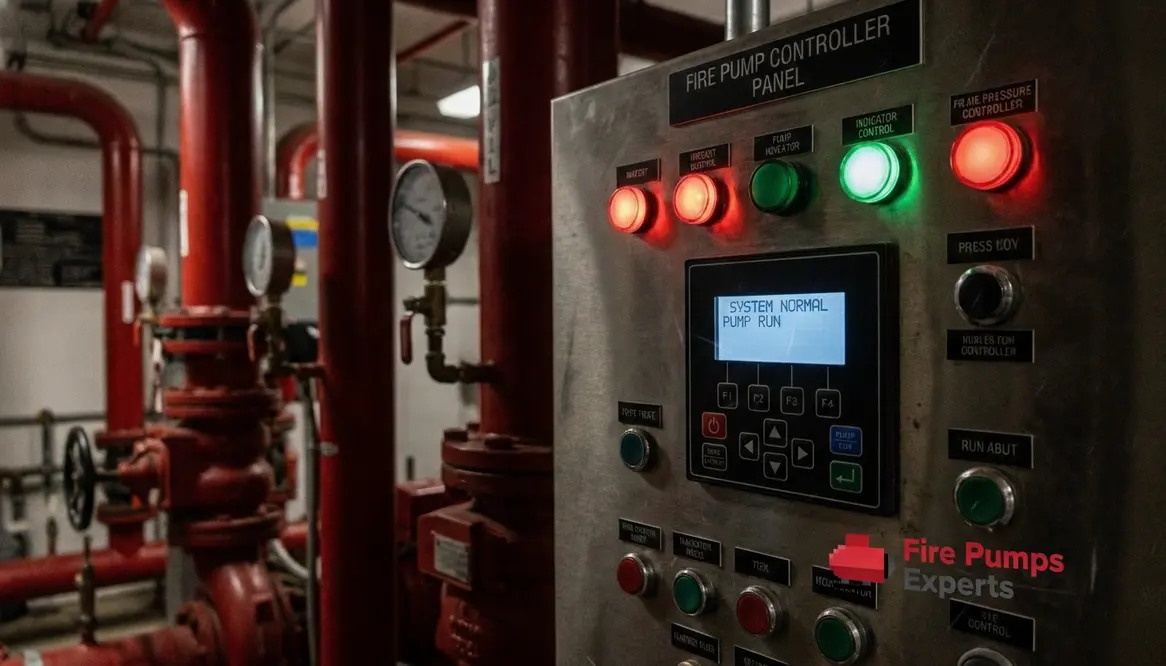
Fire Pump Controller Alarms and Signals Explained
When I talk about fire pump controller alarms, I am talking about the quiet heroes of commercial and industrial fire protection. These signals tell me when a pump starts, when it fails, and when something in the system needs attention before a small issue turns into a very expensive headache. In a major property, that matters. A lot. After all, nobody wants the building version of a surprise cameo from chaos.
In this guide, I will walk through what the alarms mean, how to read the signals, and why these alerts deserve close attention in large facilities. I will keep it clear, practical, and grounded in the real world of commercial and industrial buildings.
Why Fire Pump Signals Matter in Large Buildings
In a major property, the fire pump does not sit around for decoration. It stands ready to support sprinkler pressure when the system needs it most. Because of that, the controller must send clear signals. I rely on those signals to know whether the pump is in normal condition or facing a problem.
First, the controller shows status lights and audible alerts. Next, it may send remote signals to a building alarm panel or monitoring station. Together, these alerts give me a full picture of pump health. If one signal changes, I can act quickly and avoid larger risk.
Here is where the important part starts. fire pump controller alarms usually point to conditions such as power loss, pump run, phase reversal, low battery, or controller trouble. Each one tells a different story, and the story matters because fire protection systems do not enjoy guesswork. Neither do facility managers, which is probably why they age a little faster during inspections.
How I Read the Main Alarm Types
When I review a controller, I look at the alarm and signal lights first. Then I match each one to the system condition. This helps me separate normal operation from true trouble.
Common alarm signals I watch for
Alarm lights tell me the controller has detected a fault or warning. For example, loss of phase or pump failure can trigger an alarm light. I treat that as a call to investigate, not a suggestion to ignore it and hope for the best. Hope is nice. Maintenance is better.
Run signals show that the pump has started. Sometimes the pump starts during a real demand. Other times, it starts during a test or as part of a sequence from the fire alarm system. Either way, I use that signal to confirm the pump is active.
Power trouble signals point to issues with incoming electrical supply. Since fire pumps depend on reliable power, this alert gets fast attention. A loss here can affect system readiness, and that is not the kind of drama anyone wants on a Tuesday.
Phase reversal and phase loss signals matter on three phase systems. If the phases are wrong or one phase disappears, the motor may not run correctly. In that case, the controller protects the pump by warning me early.
Battery and charger trouble signals often apply to controllers with backup power support. These signals tell me the system may not be ready during a power outage, so I check them right away.
What the Controller Is Telling Me During an Event
When a fire pump starts, the controller records the event and sends the proper output signal. That means I can trace what happened and when it happened. This is useful during inspections, tests, and after service work.
Signal Type
Run signal
Alarm signal
What It Means
The pump is operating or has received a start command
The controller has detected a fault, trouble, or abnormal condition
Why It Matters
It confirms pump activity during demand or testing
It warns me to inspect the system before a larger issue develops
This kind of reporting helps me stay ahead of trouble. Also, it gives building teams better control over maintenance planning. In large facilities, that is a real advantage. Nobody wants to discover a problem only when the system is already under pressure. That would be like finding out Batman forgot his utility belt halfway through the movie.
How I Check Problems Before They Spread
When an alarm appears, I start with the basics. First, I look at the controller display and note the exact signal. Then I check the power source, pump condition, and any related panel messages. After that, I review the system logs if the controller keeps them.
I also look for causes outside the controller. Loose wiring, weak batteries, bad pressure settings, or failed sensors can all trigger trouble. Because of that, I never blame the controller alone until I inspect the full setup. A good alarm is not the enemy. It is the messenger. And, unlike some messengers in old action films, this one usually tells the truth.
Fire Pump Controller Alarms and Signals in Compliance Checks
For commercial and industrial properties, these alerts support more than routine maintenance. They also help with compliance, testing, and documentation. I use them to show that the fire pump controller responds as expected, that trouble signals work, and that the system can report a real issue fast. In other words, fire pump controller alarms are not just indicators. They are evidence.
In this part of the work, I also compare the controller behavior with the building’s fire protection plan. That is where a clear record matters. If a signal repeats, I know the problem is not random. If a signal clears after service, I know the fix worked. Simple, clean, useful.
For a deeper look at pump system support for major properties, I also recommend reviewing this commercial fire pump service overview: https://firepumps.org/fire-pump-services/. It adds helpful context for owners and operators who manage larger facilities.
For local service support, I also reference this los angeles fire pump services resource for buildings that need focused regional help: https://kordfire.com/fire-pump/.
FAQ
Conclusion
I treat fire pump controller alarms as vital proof that a fire protection system is awake, alert, and ready to work. For commercial and industrial buildings, that level of visibility protects people, property, and operations. If you manage a major facility, I recommend reviewing your controller signals often, keeping clear records, and acting fast when a trouble light appears. If you want dependable support, reach out today and keep your system ready before it needs to prove itself.