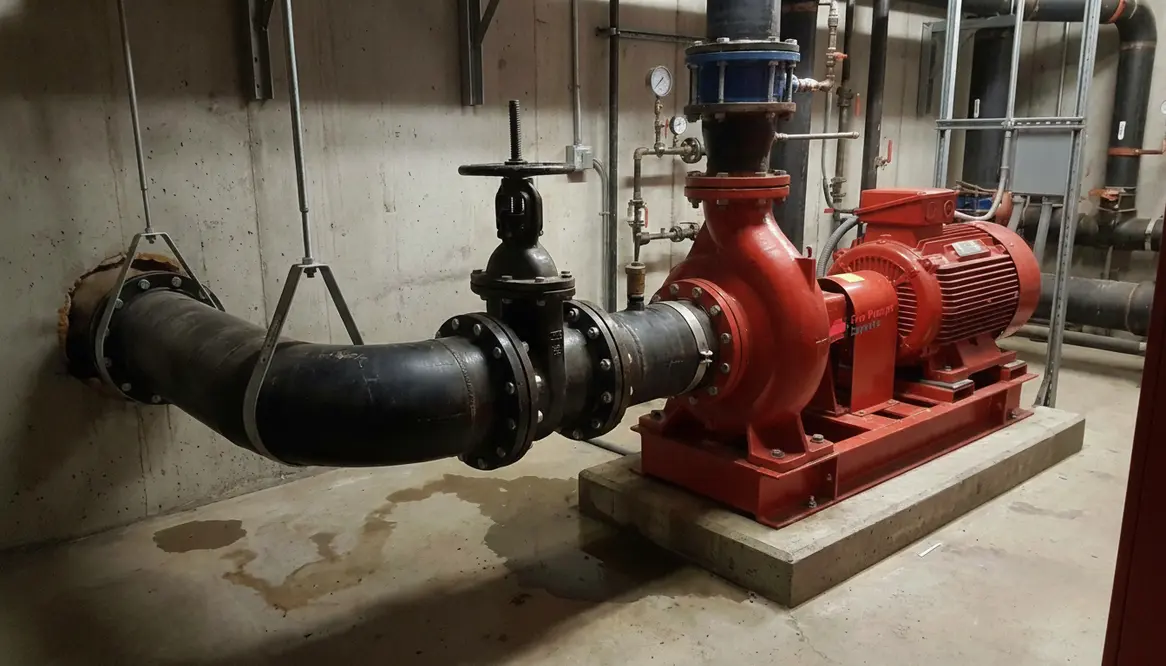
Fire Pump Suction Pipe Sizing: Velocity and Layout
fire pump suction pipe sizing sounds simple until I hear the words “it should be fine.” That phrase has launched more problems than a bad sequel. In commercial and industrial buildings, the suction side of the fire pump controls how smoothly water reaches the pump, and that affects performance, reliability, and safety. I focus on it early because if the suction line is wrong, the whole system can act like it skipped breakfast. In this article, I will show why velocity and layout matter, how I check the pipe path, and what I look for before a fire pump ever comes online.
Quick Reality Check
The suction side decides how calm (or chaotic) water is before it hits the pump. When fire pump suction pipe sizing is off, the system pays for it with friction loss, air trouble, and performance headaches.
Design Focus
I treat velocity and layout like core controls. A good plan keeps the pump fed with steady flow and reduces the chance of cavitation and vibration.
What I check first in fire pump suction pipe sizing
I start with the basics: pipe size, available water supply, and pump demand. Then I compare the suction pipe to the pump inlet so I can keep flow steady and pressure loss low. If the pipe is too small, water moves too fast. If the layout is messy, the pump has to work harder than it should, and that is never a charming surprise.
I also look at the source type. A suction line from a tank behaves differently than one from a public main. For commercial and industrial sites, I want the system to stay stable during peak demand, because fire protection is not the place for guesswork or “we’ll wing it.”
Why velocity changes everything
Velocity matters because fast water can cause friction loss, air issues, and turbulence. In plain terms, the pump may not get a calm, even water supply. Instead, it gets a rushed stream that can shake, swirl, and drop performance. Nobody wants a fire pump acting like it just discovered caffeine.
For suction piping, I keep velocity low enough to protect the pump and reduce the chance of cavitation. Cavitation can damage the impeller and create noise, vibration, and headaches that no one invited. Therefore, I treat velocity as a key design control, not a side note. A good fire pump suction pipe sizing plan keeps water moving at a safe pace, so the pump can do its job without drama.
Here is the simple rule I follow: lower velocity usually gives better suction conditions. However, I still balance that with project limits, space, and system demand. That balance keeps the design practical and safe.
How layout affects suction performance
Layout shapes the way water enters the pump. Long runs, sharp bends, sudden size changes, and poor alignment can all disturb the flow. So, I look for a clean path from the water source to the pump inlet. The straighter and smoother that path is, the better the pump behaves.
I also avoid common mistakes that cause trouble:
- Too many elbows close to the pump
- Reducers installed the wrong way
- Unnecessary high points that trap air
- Offsets that create uneven flow
- Short suction runs that crowd the pump inlet
When I plan the layout well, I help the pump avoid air pockets and turbulence. As a result, the system starts easier and runs more reliably. That matters a lot in large commercial properties and industrial facilities, where downtime can cost serious money and time. And yes, the fire pump does not care how fancy the lobby looks if the suction line is a mess.
How I compare good and poor suction layouts
Below is a simple view of what helps and what hurts. I use this kind of check when I review designs for major buildings.
Good suction layout
- Short, direct run from source to pump
- Low number of fittings near the inlet
- Gradual transitions in pipe size
- Stable water flow with less turbulence
Poor suction layout
- Sharp turns close to the pump
- Sudden changes in pipe diameter
- Trapped air points or uneven slopes
- Higher chance of vibration and flow loss
This comparison helps me spot risk fast. It also makes field work smoother because the install team knows what the design expects. Clear layout now saves costly fixes later. That is one of those rare win win moments, like finding money in an old coat pocket.
What I look for during review and installation
At review time, I check the full path from source to pump, not just the pipe size on paper. First, I confirm that the suction pipe supports the needed flow. Then I study the fitting count, pipe slope, and inlet alignment. After that, I look for places where air can collect or flow can break apart.
During installation, I want the crew to keep the suction side clean and true to the design. Even a smart layout can fail if the field work bends the rules. So, I pay attention to support, alignment, and spacing around the pump inlet. If the pipe sags or shifts, the system can lose the smooth flow it needs.
For commercial and industrial buildings, this step is critical because the system often protects large floor areas, heavy equipment, or high value property. A strong design with a sloppy install is still a weak system. The math does not applaud effort. When you’re finalizing fire pump suction pipe sizing, this is the part that turns “on paper” into “works when it matters.”
FAQ
Conclusion
If you want a fire pump system that works when it matters most, start with the suction side. I recommend treating fire pump suction pipe sizing as a core design step, not a detail to clean up later. Review velocity, keep the layout smooth, and protect the pump from avoidable stress. If your project serves a commercial, industrial, or major property building, take a close look now. For support, explore los angeles fire pump solutions and make sure your system is ready before it is ever tested in the real world.