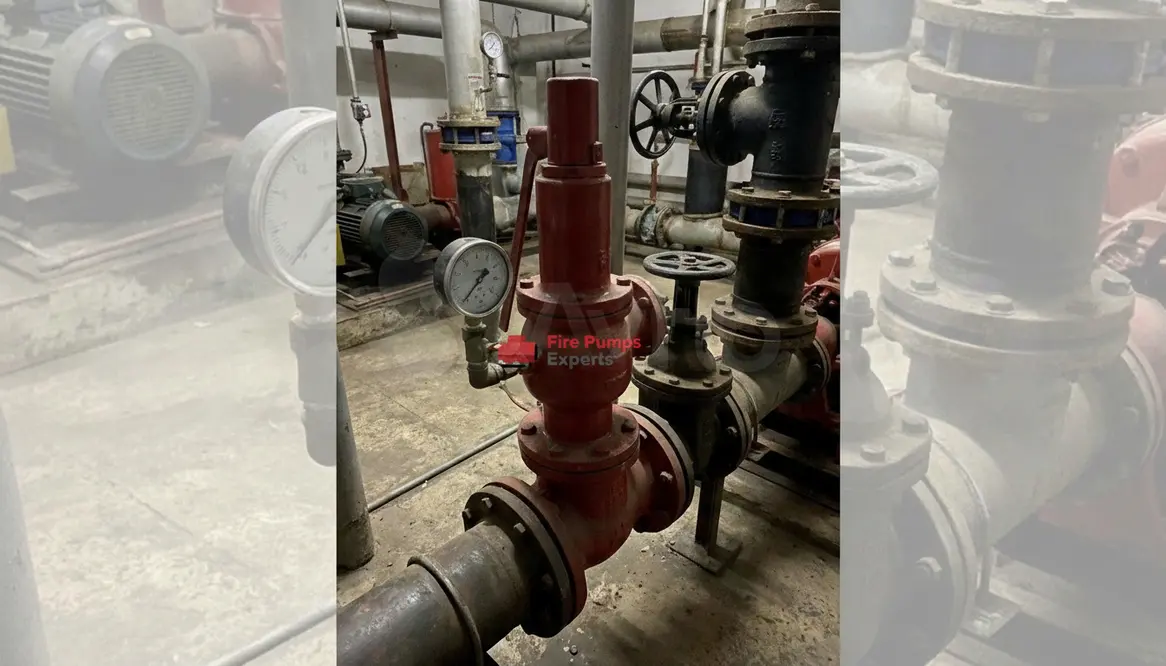
Fire Pump Relief Valve When and Why They Are Used
I have seen a lot of fire protection gear in my time, and one device that quietly earns its keep is the fire pump relief valve. It does not get the spotlight. It does not make dramatic speeches. Yet when pressure climbs too high inside a fire pump system, this valve steps in like the calm middle manager every building wishes it had. For commercial and industrial facilities, as well as major property buildings, that matters a great deal. After all, too much pressure can stress pipes, damage equipment, and turn a reliable system into a very expensive headache.
In this guide, I will explain when and why relief valves are used, how they protect your system, and what signs tell me a building may need one. I will keep it plain, practical, and just a little less boring than a thermostat manual.
What a relief valve does in a fire pump system
A relief valve releases extra pressure when the fire pump produces more pressure than the system can safely handle. I like to think of it as the safety belt of the pump room. The pump does its job, but the valve keeps that effort from turning reckless.
Most fire pumps build pressure in response to demand. However, some systems create pressure spikes when valves close fast, when flow drops suddenly, or when the pump runs at low demand. In those moments, the relief valve opens and sends water to a safe discharge point. As a result, the system stays within design limits, and the equipment avoids strain.
Here is the short version: the valve protects the pump, the piping, and the building. That is the whole show, and honestly, it is a pretty good role.
When I expect a fire pump relief valve to be needed
I usually see a relief valve in systems where pump pressure may rise beyond the safe point during certain conditions. For example, a diesel fire pump can overshoot pressure when it starts. Likewise, a system with a variable flow demand may need extra control when the water demand drops quickly.
I also expect one in high rise buildings and large industrial sites where the fire protection layout creates wide pressure swings. These buildings often have long pipe runs, many zones, and different hose, sprinkler, or standpipe needs. Therefore, pressure control becomes more than a nice feature. It becomes a necessity.
If your fire pump has a churn condition, meaning it runs with little or no water flow, pressure can rise higher than expected. In that case, the relief valve helps prevent trouble before it starts. No one wants a pump room drama scene worthy of a soap opera.
How I decide if the valve is protecting the right pressure range
| System condition | What I look for | Why it matters |
|---|---|---|
| Low or no flow Pump startup surge High static pressure Sudden valve closure | Pressure rises during churn Temporary spike at start Building pressure already runs high Pressure jump after flow stops | Prevents system overload Protects pump and pipework Stops stress on fittings Reduces shock in the system |
This simple check helps me see whether the valve is doing real work or just collecting dust. And yes, some equipment does need a little attention now and then. Life is harsh that way.
Why pressure control matters in commercial buildings
In commercial and industrial facilities, a fire pump system has one job: deliver water fast and at the right pressure. If pressure runs too high, the system may suffer leaks, worn seals, or damaged fittings. Over time, that can lead to costly repairs and downtime.
That is why I pay close attention to pressure control. A relief valve helps keep the fire pump within safe limits while still supporting proper fire protection. It also helps maintain system balance across large buildings, where pressure needs may vary from one area to the next. When the pressure stays where it belongs, the fire pump relief valve earns its keep quietly, day after day.
For building owners and facility managers, this means fewer surprises and better reliability. And in fire protection, reliability is not a luxury. It is the whole point.
How I check a fire pump relief valve during maintenance
I always start with a visual inspection. I look for leaks, corrosion, damage, or signs that the discharge line has seen better days. Next, I check whether the valve opens and closes as expected during system testing. If it sticks, chokes, or drips, I treat that as a warning.
I also review the set pressure. If the valve opens too early, it may waste water and reduce system performance. If it opens too late, it may fail to protect the system. So, the setting must match the fire pump and the building design. That is the difference between a fire pump relief valve that works and one that just sits there waiting for a problem to become public.
Regular testing matters too. A relief valve that never gets checked can become a very expensive surprise, and nobody wants that kind of birthday gift.
Where to learn more about fire pump systems
If I want a deeper look at system design and service support for commercial properties, I review this los angeles fire pump resource. It gives building teams a useful starting point when they need fire pump guidance for large facilities and major properties.
I also keep a close eye on the broader system, not just one valve. For a stronger look at related equipment and service needs, I recommend our fire pump service overview as a helpful internal reference for property teams who manage fire protection systems.
FAQ
Conclusion
I treat the fire pump relief valve as one of the smartest small parts in a fire protection system. It guards against excess pressure, supports dependable operation, and helps protect major commercial and industrial buildings from avoidable damage. If your facility depends on a fire pump, do not wait for pressure problems to introduce themselves. Review your system, test the valve, and make sure it fits the building’s real needs. Then your fire protection stays ready, steady, and far less dramatic.