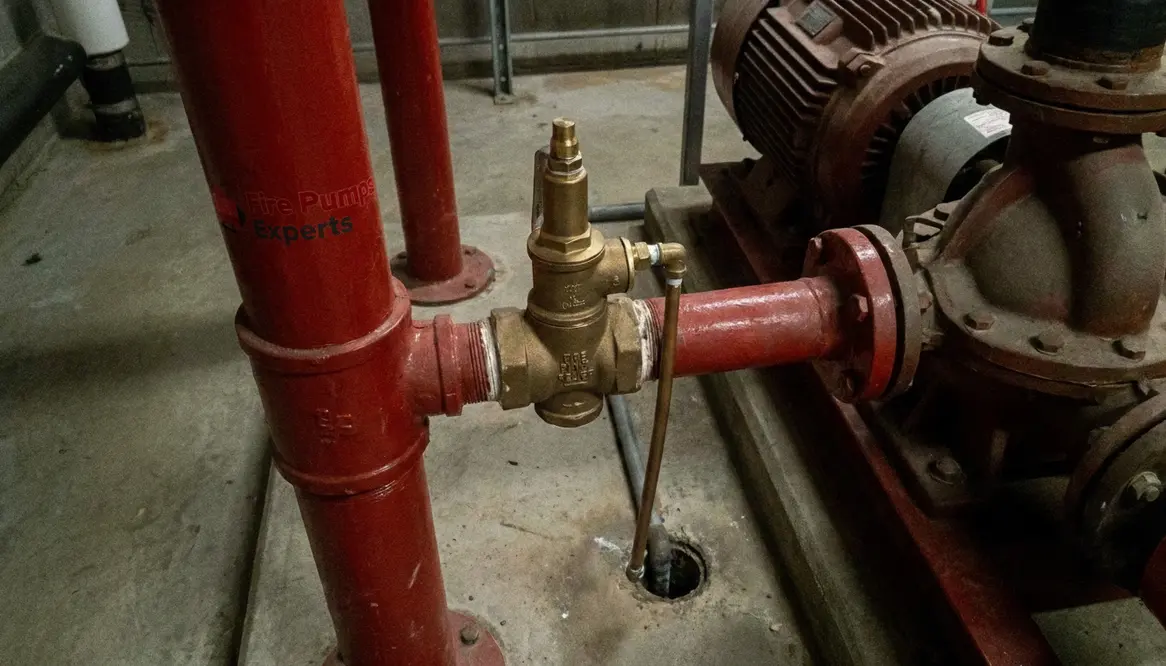
Fire Pump Circulation Relief Valves Explained
Quick intro: the small valve that protects the big machine
When I talk about fire protection in commercial and industrial buildings, I like to start with one small part that does a big job: the fire pump circulation relief valve. It may not look like the star of the show, but it quietly protects the pump from excess heat and pressure while it sits in service. And yes, that sounds a little like the unsung roadie at a rock concert, keeping the lead singer alive while nobody claps for him. In a system that must stand ready at all times, this valve helps the fire pump stay reliable, calm, and prepared for the worst day nobody wants to have.
What it protects
Heat buildup and pressure spikes during no-flow or low-flow operation.
What it does
Relieves a small amount of water to keep the pump in a safer operating band.
Why it matters
It helps prevent avoidable wear and supports dependable performance when you need it.
What a fire pump circulation relief valve does
I use this valve to release a small amount of water when the pump runs under no flow or low flow conditions. That matters because the pump can build heat fast if water keeps moving nowhere, which is a bit like revving a car in park and pretending it will be fine. It will not. The valve keeps the pump casing from overheating, helps reduce wear, and supports stable operation during testing and standby use. In short, it protects the pump while the system waits for an actual fire event.
Why commercial and industrial facilities need it
In large properties, I see fire pumps work harder and longer than people expect. Since these systems serve warehouses, high rise buildings, plants, and other major sites, they need protection that matches the demand. That is where the circulation relief valve earns its keep. It supports pump health during churn conditions, startup periods, and other low demand moments. As a result, the fire pump stays closer to its design range, which helps avoid damage and unplanned downtime. Nobody wants a pump failure during an emergency. That would be a very bad sequel.
How I explain the valve inside the system
I think of the valve as a pressure and heat control helper. It does not run the entire system, but it keeps the system from getting cranky. When the pump starts and discharge demand stays low, the valve opens at a set point and sends water back to a safe path. That small flow lowers internal stress. Also, it helps the pump operate in a more stable band while other parts of the fire protection setup do their work.
Dual view: how it works
When the conditions inside the pump reach the set point, the fire pump circulation relief valve opens and bleeds off enough water to cool the pump and keep conditions steady. It is like giving the system an escape route while nobody is asking it to sprint yet.
And what can go wrong
If it sticks, is set wrong, or gets blocked, the pump may overheat, lose efficiency, or suffer extra wear. That is why inspection and testing should never be treated like an optional side quest.
Normal operation (the way it is supposed to behave)
The valve opens when pressure or heat reaches the set point, then bleeds off enough water to cool the pump and keep conditions steady.
Common issues (aka: why maintenance matters)
If the valve sticks, sets wrong, or gets blocked, the pump may overheat, lose efficiency, or suffer extra wear. So, I always treat inspection and testing as part of the job, not an optional side quest.
How I inspect and maintain the valve
I check the valve during scheduled pump inspections, test its set point, and look for leaks, corrosion, and signs of damage. I also confirm that the discharge path works as intended. If I find scale, debris, or a bad adjustment, I address it quickly. Moreover, I make sure the valve matches the pump and the site design, because a mismatched setting can create more trouble than it solves. Good maintenance keeps the system ready, and readiness is the whole point.
A simple mindset for owners and operators
A fire pump circulation relief valve is not just a part; it is a reliability decision. When it is set correctly and stays free of blockages, the pump is better protected from overheating and unnecessary stress. That means fewer surprises, fewer shutdowns, and a system that behaves the way it was designed to behave. If you remember one thing, remember this: the best time to fix the weakest point is before the fire alarm starts doing its big dramatic finale.
Fire pump circulation relief valve FAQ
Closing thoughts and next step
I look at the fire pump circulation relief valve as one of those quiet parts that keeps a big system honest. It does not ask for applause, yet it protects the fire pump from heat, pressure problems, and avoidable wear. If you manage a commercial or industrial facility, now is a good time to review your fire pump setup, confirm the valve is working, and make sure your system is ready for real duty. The safest time to fix a weak point is before the fire alarm starts singing its solo.