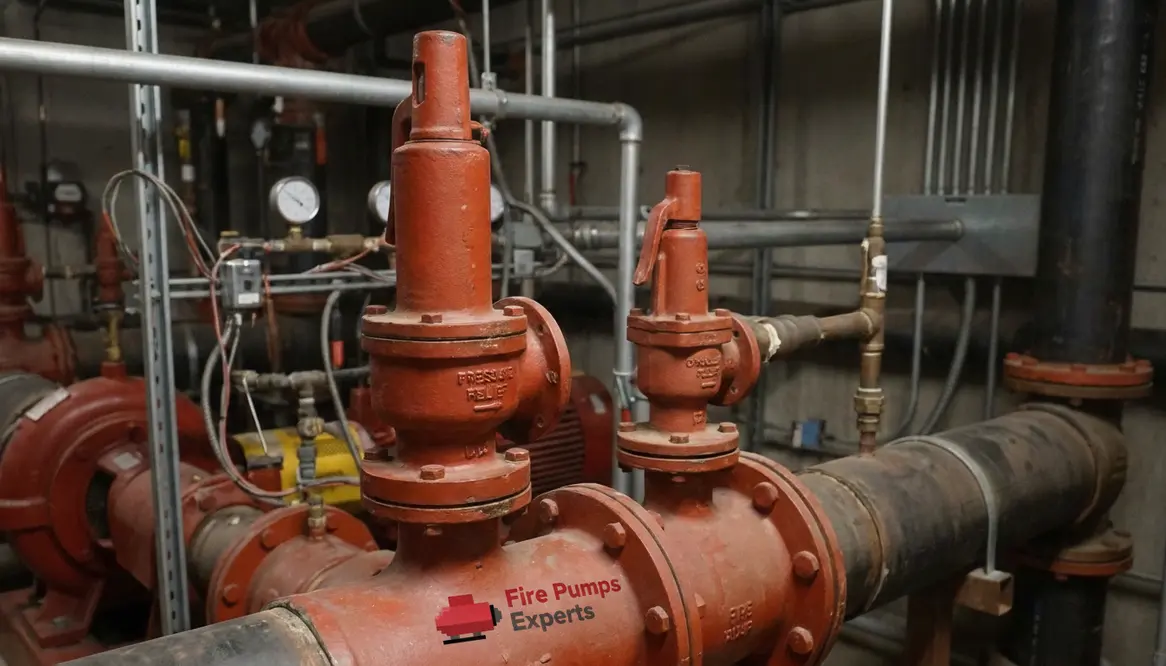
Pressure Relief vs Circulation Relief Valves Fire Pumps
When I look at fire pump systems for commercial and industrial properties, the pressure relief vs circulation relief valve conversation always matters more than people expect. One valve protects the pump from runaway pressure, while the other guards the pump from overheating when the system is quiet. That sounds simple enough, but as with most things in life, the devil wears steel boots and lives in the pump room. If you manage a warehouse, high rise, plant, or other major property, knowing the difference can save equipment, reduce risk, and keep your fire protection system ready when it counts.
What each valve does in a fire pump system
I like to start with the job each valve performs. A pressure relief valve opens when discharge pressure rises too high. It protects the fire pump and connected piping from excess pressure. A circulation relief valve, however, does a quieter job. It lets a small amount of water move when the pump runs without demand. That flow cools the pump and keeps water from sitting still and heating up.
So, if I had to say it plainly, the pressure relief valve handles pressure spikes, while the circulation relief valve handles heat. Both matter, but they do not do the same thing. In fact, mixing them up is a little like confusing Batman with Robin. They work together, yet they are not interchangeable.
How I explain pressure relief vs circulation relief valve to facility teams
Here is the simple split I use with building teams:
Pressure relief valve
- Opens when pressure gets too high
- Protects pumps and piping from overload
- Often used when pump output may exceed safe system limits
- Helps keep the system stable under changing demand
Circulation relief valve
- Lets water move during no flow or low flow
- Reduces heat buildup inside the pump
- Supports pump life during test runs and standby periods
- Helps prevent damage from trapped hot water
Because both valves protect the pump, people sometimes treat them like twins. However, the pressure relief valve reacts to pressure, while the circulation relief valve reacts to operating conditions. That difference is small on paper, but huge in real use. When you compare pressure relief vs circulation relief valve, this is the part teams remember after the test report is filed.
Why commercial and industrial facilities need both
In a major property, a fire pump does not live an easy life. It may sit idle for long stretches, then jump into action fast. Meanwhile, systems in tall buildings, plants, and large campuses can face wide pressure swings. That is where both valves earn their keep. In other words, the pressure relief vs circulation relief valve pairing is often the difference between “it should be fine” and “it stays fine.”
First, the pressure relief valve prevents harmful overpressure. This matters when pump performance and system design do not match perfectly at every moment. Next, the circulation relief valve keeps the pump from cooking itself like a forgotten pizza in a break room microwave. Not glamorous, but very necessary.
Also, I often see teams focus only on emergency operation and ignore standby conditions. That is a mistake. A fire pump must stay ready all the time, not just during the dramatic movie scene when alarms sound and everyone suddenly becomes very interested in valves.
How to choose the right valve for your system
When I evaluate a fire pump setup, I look at system pressure, pump size, operating range, and building demand. Then I ask a few direct questions. Does the pump create pressure above safe limits? If yes, a pressure relief valve may be needed. Does the pump run in conditions where no flow or low flow can trap heat? If yes, a circulation relief valve matters. This is the heart of pressure relief vs circulation relief valve: not “which one sounds right,” but “which problem your system actually experiences.”
Because design details vary, I never rely on guesswork. Instead, I check the fire pump curve, the building’s demand profile, and the manufacturer’s guidance. In other words, I let the system tell the story. That approach beats guessing every time, and guessing in fire protection is about as useful as a screen door on a submarine.
Fire pump maintenance tips that help both valves work better
I treat these valves as part of a larger health check, not as lone heroes. Regular inspection helps catch leaks, stuck parts, and worn seals before they turn into bigger problems. Also, I make sure the discharge path stays clear and that any test discharge setup can handle the flow safely. Clean discharge paths and correctly functioning relief components support the pressure relief vs circulation relief valve goals without surprises.
Here are a few maintenance habits I recommend:
- Inspect valves during routine fire pump checks
- Watch for signs of leaking, rust, or sticking
- Test the pump under supervised conditions
- Confirm settings match the approved system design
- Review records after every major service event
For a deeper look at pump system basics, I also suggest reading this fire pump basics guide for commercial facilities. It helps connect valve function with the bigger system picture, and it makes the pressure relief vs circulation relief valve conversation easier to keep straight when you are reviewing documentation.
FAQ
Conclusion
If you manage a commercial or industrial property, I strongly recommend taking the time to understand the pressure relief vs circulation relief valve before a problem shows up. The right valve choice improves safety, supports pump life, and keeps your fire protection system dependable. If you need expert help, review your current setup, compare it with your building demand, and speak with a fire pump specialist today. For property protection, smart action now beats costly repairs later.
For local support, explore los angeles fire pump services.