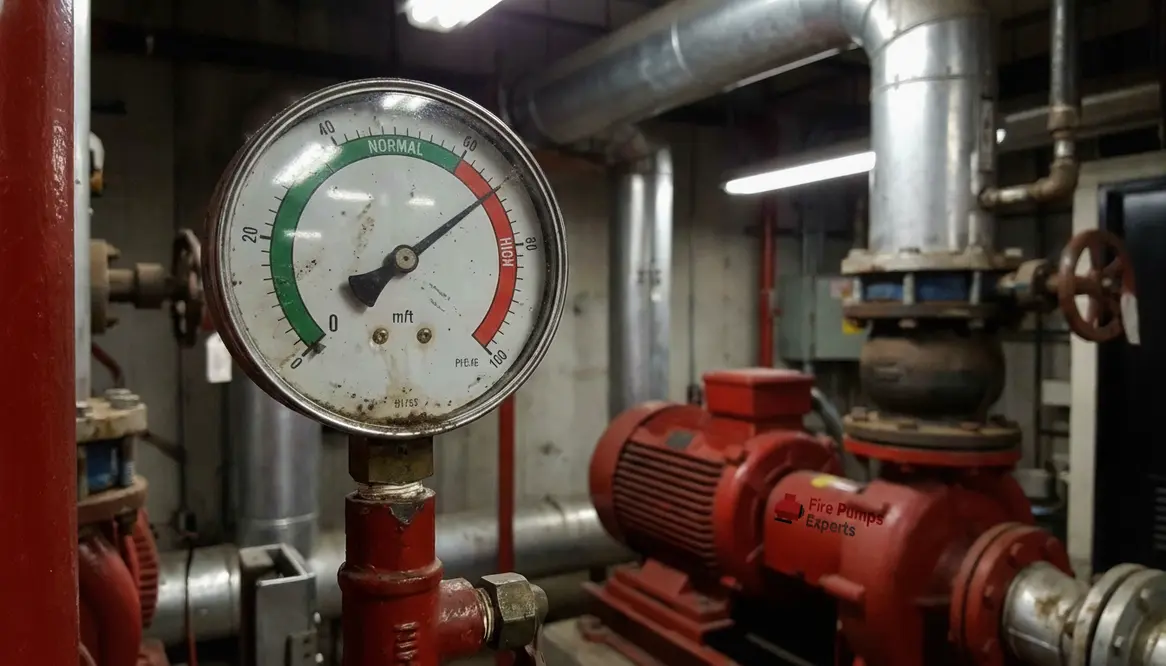
Fire Pump Pressure Gauges Monitor Trends
I have seen a fire pump pressure gauge tell a whole story without saying a word. One glance can show whether a system is steady, stressed, or drifting toward trouble. And in commercial and industrial facilities, that little dial matters more than most people admit. It helps protect people, property, and the kind of uptime that keeps managers from losing sleep at 2 a.m. Because when a fire pump acts up, it does not send a polite calendar invite. It just shows up.
In this guide, I will walk through what facility teams should watch, how to read the signals, and why pressure trends matter just as much as the number on the face. I will also keep this practical, because no one needs a lecture that sounds like it was written by a robot in a hard hat.
Read the pressure gauge like a health check
The first thing I watch is the baseline reading. A fire pump pressure gauge should match the normal operating range for the system. If the pressure sits too low, the pump may not deliver enough water when needed. If it sits too high, the system may face extra strain, false alarms, or wear on parts over time.
Just as important, I look for movement. A steady reading often suggests the system is stable. However, small jumps, slow drops, or sudden swings can point to air in the line, a valve issue, or a pump problem. Think of it like your favorite action hero. If they are calm in the opening scene, fine. If they start sweating before the plot begins, something is off.
Facility teams should check pressure at the pump, at the discharge side, and at any other monitoring point required by the system design. That way, they do not rely on one number that may hide a bigger issue.
Monitor the signs that point to trouble
When I review gauge readings, I focus on patterns, not just snapshots. A single reading can fool you. A trend usually tells the truth.
- Watch for pressure that drops during idle periods
- Watch for pressure that climbs without a clear reason
- Watch for readings that change after pump starts
- Watch for a gauge that sticks, vibrates, or feels hard to read
Also, if the needle moves in a choppy way, I treat that as a warning. The issue may be mechanical wear, trapped air, or a faulty gauge. Either way, the team should not shrug it off like a plot hole in a summer blockbuster.
What facility teams should check during routine rounds
Routine rounds give teams the chance to catch small issues before they turn into expensive ones. I always suggest a simple habit: check, compare, record, and follow up. That rhythm keeps the system honest.
Area
Pressure level
Needle behavior
Gauge condition
System trend
Alarm response
What to monitor
Normal range based on system design
Smooth movement and stable position
Clear face, no cracks, no leaks
Any rise, drop, or drift from past readings
Whether pressure changes match system alerts
In addition, I check for dirt, moisture, corrosion, and broken seals. A gauge that looks rough often performs that way too. And while a dusty dial may not seem dramatic, it can hide the one clue that saves the day.
Why calibration and testing matter
Even the best gauge can lie if it drifts out of calibration. That is why I do not treat testing as a box to tick. I treat it as part of the system’s safety net. Regular calibration helps ensure the reading matches real pressure, not wishful thinking.
Facility teams should also compare the fire pump pressure gauge with other test points during inspections. If one reading differs sharply from the rest, I investigate fast. Sometimes the issue lies with the gauge. Other times, the problem sits deeper in the system. Either way, the fix starts with proof, not guesswork.
For teams looking for a deeper system review, I recommend checking our fire pump inspection guide for related inspection points and maintenance habits.
Also, for local service support, visit this los angeles fire pump service resource for commercial and industrial facilities and major property buildings.
How to respond when readings look off
When a reading looks strange, I act in a step by step way. First, I verify the reading with a second check. Then I look for valve position issues, leaks, or signs of pump strain. After that, I compare the fire pump pressure gauge reading with past logs. This helps me separate a real system issue from a one time hiccup.
If the problem continues, I move quickly to qualified service support. In critical facilities, delay can turn a small pressure problem into a very expensive story. And nobody wants that sequel.
FAQ
Quick answers, so you can get back to keeping the system honest.
Conclusion
I always tell facility teams to treat pressure readings like early warnings, not background noise. A reliable fire pump pressure gauge helps protect large commercial buildings, industrial sites, and other major properties where downtime costs real money. So stay consistent, log every change, and act fast when something looks off. If your team wants stronger protection and clearer oversight, now is the time to review your system, tighten your checks, and bring in expert support before trouble arrives.