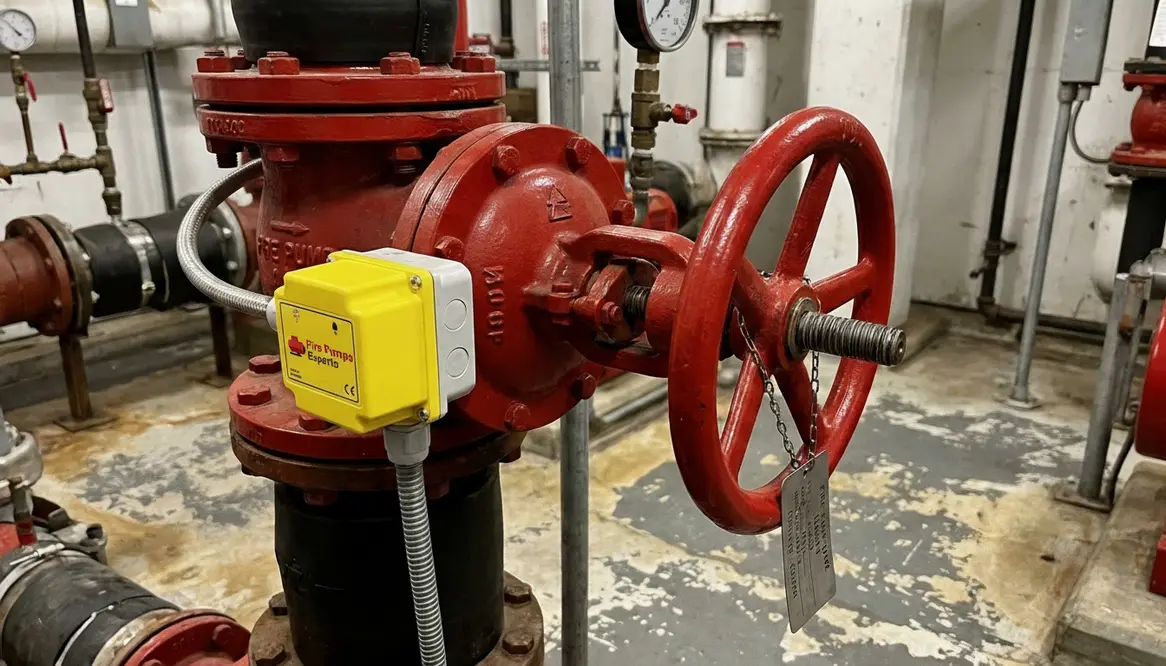
Fire pump isolation valve position and supervision
When I look at a fire protection system, I do not start with the loud parts. I start with the quiet ones. The fire pump isolation valve may not flash like a movie hero, yet it controls whether water reaches the system when the heat is on and things are going sideways. In commercial and industrial facilities, and in major property buildings, that small piece of hardware can decide whether the system stands ready or stumbles at the worst possible moment. And yes, that is a lot of pressure for a valve. No one gives it a trophy, but it earns its keep every single day.
This matters because a fire pump can only do its job if the valves around it stay in the right position and under proper supervision. I have seen too many sites treat these parts like background extras. They are not. They are part of the main cast.
Why valve position changes the whole system
I always tell people that valve position is not a small detail. It is the difference between a system that is ready and one that is quietly broken. If an isolation valve sits closed, even a perfect pump cannot push water where it needs to go. That means the system may look fine on paper, while in real life it is about as useful as a phone with no battery.
Correct position also helps with testing, repair, and emergency use. However, if staff leave a valve half open or fully closed by mistake, they can create a hidden failure point. That is why I focus on clear marks, strong labels, and regular checks. The pump room should never feel like a mystery box from a crime show.
How supervision keeps a fire pump ready
Supervision means someone knows when the valve changes state and can catch trouble fast. I want supervised valves because they give me an alert if someone closes or moves them. That alert matters in large buildings where many people work, contractors come and go, and one wrong turn of a handwheel can set up a costly problem.
Here is the simple truth: if a valve is not supervised, it can drift out of position and stay that way. Then the building learns the hard lesson during an inspection or, worse, during an actual fire. In other words, supervision is not paperwork for the sake of paperwork. It is an active safety layer. And in my view, that beats wishful thinking every time.
What I check during installation and maintenance
When I review a system, I check a few core points:
- First, I confirm the valve sits where staff can reach it without trouble, but not where random traffic can bump it.
- Second, I look at the flow path to make sure the valve does not block the pump or create confusion during service.
- Third, I verify supervision devices work and report changes the way they should.
I also check access, labeling, and room layout. A clean setup helps people act fast. A cramped setup invites mistakes. No one wants to play “Where’s Waldo?” with emergency gear. In commercial and industrial spaces, speed and clarity matter because downtime costs money and delay costs far more.
Fire pump isolation valve placement in real facilities
In major properties, I think about placement in two ways: safety and service. The valve needs to support normal operation, but it also needs to help technicians isolate equipment during work. That balance keeps the pump system useful without making it easy to disable by mistake.
Below is a simple view of what I look for:
Good placement
- Easy to reach for service
- Clear sight lines and labels
- Protected from casual contact
- Easy to supervise
Poor placement
- Hard to reach or blocked by storage
- Hidden behind equipment
- Exposed to accidental movement
- No clear indication of valve position
This is where planning pays off. A smart layout reduces errors and supports faster maintenance. It also helps the facility team stay calm during inspections. And calm, in a pump room, is a lovely thing.
Why this matters for compliance and risk
Codes and standards push for safe valve control for a reason. They want systems that stay ready, not systems that merely appear ready. I see this as more than a compliance task. It is a risk control move that protects people, assets, and operations.
If a fire pump isolation valve gets left in the wrong position, the building can face major loss. If supervision fails, no one may know the valve changed until it is too late. That kind of gap can affect insurance, uptime, and life safety. So yes, the stakes are real. The spreadsheet may not gasp, but the fire marshal certainly will.
What I recommend for facility teams
I recommend a simple routine. Train staff on valve function. Inspect the valve position during regular rounds. Test supervision devices on schedule. Keep records that make sense to the next person who opens the file. Also, make sure contractors follow site rules when they work near the fire pump area.
If you need more detailed system planning, I point people to this fire pump isolation valve guide. It is a good way to confirm you are aligned on expectations for a supervised setup. Then, if you need local support, review los angeles fire pump services for commercial and industrial facilities and major properties.
FAQ
Quick answers, no fluff, and a straight shot at the things that matter most for a fire pump isolation valve.
A final word on readiness
In my view, a fire pump isolation valve deserves real attention, not a passing glance. Position and supervision work together to keep the system ready, dependable, and safe. If you manage a commercial, industrial, or major property building, now is the time to review your setup, train your team, and tighten your inspection routine. I encourage you to take a hard look at your pump room today and make sure every valve stands exactly where it should.