Fire Pump Check Valve: Purpose, Problems and Inspection
Fire Pump Check Valves: Purpose, Problems and Inspection
I’ve seen a lot of fire pump systems in my time, and one part that never gets the spotlight until things go sideways is the fire pump check valve. It sits there like the calm friend at the table, doing its job while everyone else chases attention. Yet when this valve fails, water can move the wrong way, pressure can drop, and a fire protection system can start acting like it missed its coffee. In commercial and industrial facilities, that is not a funny story. It is a serious one. So I’m going to walk you through what this valve does, what goes wrong, and how I inspect it so the system stays ready when it matters.
What a Fire Pump Check Valve Does
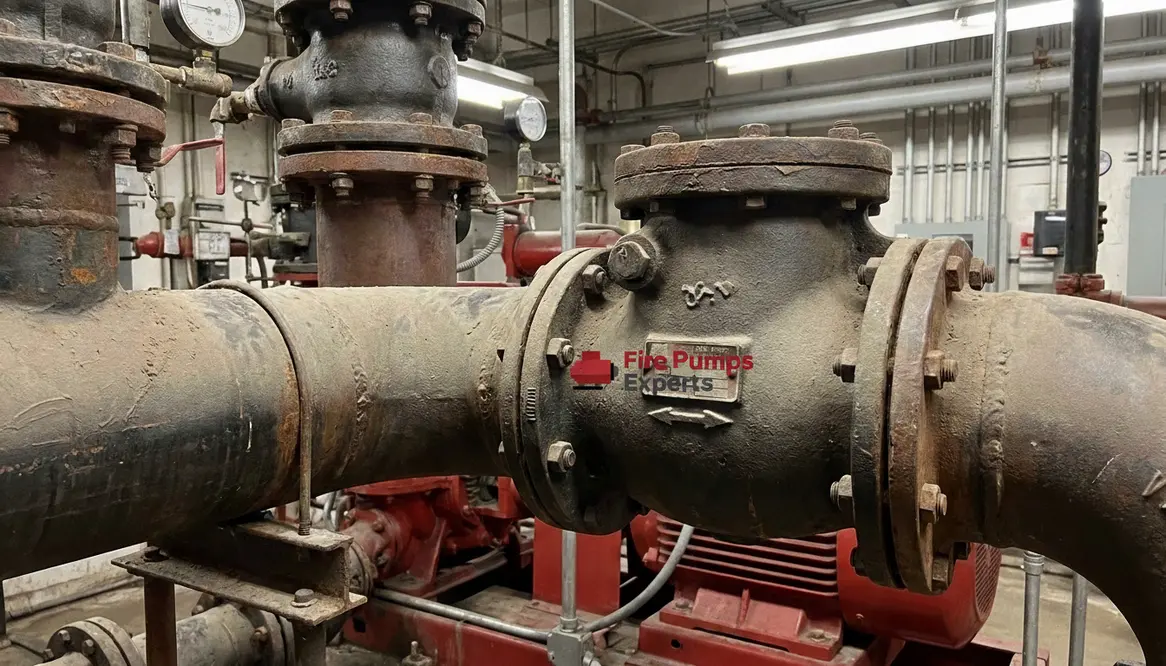
The check valve protects the fire pump from reverse flow. In plain terms, it lets water move in one direction only. When the pump starts, the valve opens and allows water to reach the system. When the pump stops, the valve closes and keeps water from rushing back through the pump. That matters because reverse flow can damage pump parts, create pressure loss, and make the whole setup harder to trust.
In a large building, that one small part helps hold the line between normal operation and a very bad day. It also supports system pressure during start and stop cycles, which means the fire pump does not have to fight against backflow every time it runs. I like to think of it as the bouncer at the door. It checks who gets in, and it does not care how loud the water gets.
Common Problems I Watch For
When I inspect a fire pump check valve, I usually look for a few usual suspects. First, debris can get trapped inside the valve and keep it from seating fully. As a result, water can leak backward and slowly reduce pressure. Second, wear on the disc, hinge, or seat can keep the valve from closing tight. Third, corrosion can build up over time, especially in systems that do not get regular care. And yes, corrosion always seems to show up like an uninvited guest who stayed too long at the party.
Here are the problems I see most often:
- Water hammer from a valve that closes too fast or too hard
- Backflow caused by a worn seat or damaged disc
- Sticking parts from rust, scale, or sediment
- Leaks that lower system pressure
- Noise or vibration during pump operation
Also, a valve may look fine from the outside while failing on the inside. That is why I never trust a quick glance alone. I need to hear it, feel it, and test it. In fire protection, “it looks okay” is not a maintenance plan. That is more of a wish with a wrench.
How I Inspect It During Routine Maintenance
I always start with a visual check. I look for rust, leaks, loose fittings, and signs of stress around the valve body and nearby piping. Then I listen while the pump runs. If I hear banging, chattering, or odd movement, I know the valve may not be closing right. After that, I check pressure readings before and after operation to spot any drop that should not be there.
Next, I verify that the valve moves as it should. If the design allows access, I inspect the internal parts for wear, dirt, or damaged seals. I also confirm that the installation still matches the system design. A valve installed backward or in the wrong position can create more trouble than it solves. That is the mechanical version of putting your shoes on the wrong feet and then wondering why the walk feels strange.
Why Inspection Matters in Commercial and Industrial Facilities
Fire pump check valve inspection matters more in commercial and industrial settings because these systems protect larger loads, more people, and more valuable property. A small fault can spread into a major issue fast. For example, if a valve leaks back, the pump may cycle too often. That adds wear, raises energy use, and shortens equipment life. On top of that, weak pressure control can affect the rest of the fire protection system.
So, I treat inspection as part of the full system health check, not as a side task. The pump, valve, gauges, and piping all work together. If one part slips, the others feel it. That is why I also review the overall condition of the system and compare what I find to the maintenance records. If something has been changing slowly, the paperwork often tells that story before the floor does.
Quick Inspection Guide
| What I Check | Why It Matters |
| Leaks around the valve body | Shows seal failure or loose joints |
| Noise during startup and shutdown | Points to water hammer or poor closure |
| Pressure changes | Helps spot reverse flow or valve wear |
| Internal condition | Reveals rust, scale, and stuck parts |
When I Recommend Repair or Replacement
I recommend repair when the valve has a small issue and the body is still solid. For example, a worn seat or dirty internals may be fixable if caught early. However, I push for replacement when the valve shows heavy corrosion, repeated leakage, cracked parts, or poor operation even after cleaning. At that point, I do not try to negotiate with the metal. It has had its chance.
I also suggest replacement when the system has repeated pressure problems and the valve keeps coming back on the repair list. The goal is not to keep patching the same weak spot forever. The goal is to keep the fire pump system ready for the day nobody wants to think about.
FAQ
If you manage a commercial or industrial property, I recommend taking the fire pump valve seriously before it becomes a costly surprise. For more support, review our fire pump check valve inspection guide and compare your system against a trusted los angeles fire pump service resource. If you want dependable performance, now is the time to inspect, document, and fix what needs attention. A strong system does not happen by luck. It happens by care, timing, and a little less drama.
One last thought before the next startup
Treat the fire pump check valve like a key part of the whole plan, not a background accessory. When it is clean, seated correctly, and operating the way it should, the pump can do its job without fighting backflow or pressure weirdness. When it is neglected, the surprises show up at exactly the wrong time. That is why the simplest habit is the best one: inspect early, confirm readings, and keep the system behaving.
Build a routine that catches the small stuff
A check valve issue rarely starts with a dramatic failure. More often, it begins as a tiny leak, a little noise, or a pressure change that only shows up when you compare “before and after.” The goal is to catch the fire pump check valve before debris, wear, or corrosion turns a manageable problem into a replacement project. Keep your records, document what you find, and make the next inspection easier than the last one.
Remember the direction, every time
Every time maintenance is performed, confirm the valve orientation and installation match the system design. Even a perfectly functioning fire pump check valve can behave badly if it is installed in the wrong position. It is the boring detail that prevents the exciting problems.