Airport Fire Pump Australia Types and Systems Guide
I have spent enough time around critical infrastructure to know one thing for certain. When something goes wrong at an airport, it needs to be handled fast, clean, and without hesitation. That is where the airport fire pump Australia systems quietly step in, doing their job long before most people even notice a problem. These systems are not flashy. They are not designed for applause. But without them, even the most advanced airport would feel like a movie set without a fire extinguisher. And trust me, nobody wants to star in that film.
So let me walk you through the fire pump types that keep Australian airports and large commercial properties protected, all while keeping things grounded, practical, and just a little entertaining.
Why Fire Pumps Matter in Airport Infrastructure
Airports are complex ecosystems. You have fuel storage, cargo facilities, terminals, hangars, and maintenance zones all operating at once. Because of that, fire protection systems must deliver high pressure water instantly. That is where fire pumps come in.
In my experience, airport fire protection in Australia leans heavily on reliability. These are not systems you can reset like a router. They must work on the first attempt, every time. Therefore, choosing the right pump type is less about preference and more about performance under pressure, quite literally.
Moreover, regulations across Australia demand strict compliance for commercial and industrial facilities. So, each pump type must align with both safety codes and operational demands.
What Types of Fire Pumps Are Used in Airports Across Australia
Let me answer this directly, because this is what most people want to know.
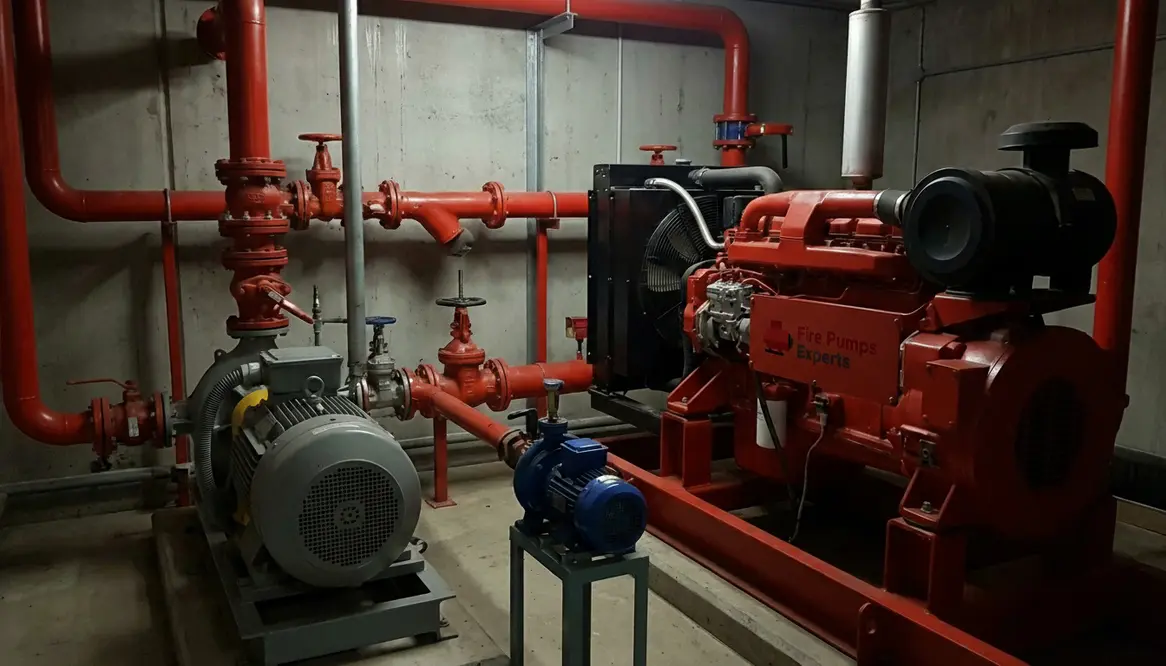
Airports typically rely on a combination of electric, diesel, and jockey pumps. Each serves a specific purpose, and together they create a system that is both responsive and resilient.
Electric Fire Pumps
- Primary workhorses in many systems
- Efficient operation when a stable power supply is available
- Suited to continuous duty in large terminal and concourse areas
Diesel Fire Pumps
- Act as backup when electrical supply fails
- Offer independence from grid power during outages
- Often dedicated to critical areas such as fuel farms and hangars
Jockey Pumps
- Maintain system pressure between demand events
- Prevent unnecessary start-up of the main fire pumps
- Reduce wear, tear, and long term replacement costs
Together, these systems form a layered defense. It is a bit like having both Batman and Superman on call, with Alfred quietly managing things behind the scenes.
Electric vs Diesel Fire Pumps in Commercial Airport Facilities
Electric Pumps
- Consistent performance
- Lower maintenance
- Quiet operation
- Dependent on power supply
Diesel Pumps
- Independent of electricity
- Reliable during outages
- Higher maintenance needs
- Slightly louder operation
In Australian airports, I often see both installed together. This dual approach ensures compliance and peace of mind. Because when you are dealing with fuel lines and high traffic environments, redundancy is not optional. It is essential.
How Jockey Pumps Keep Systems Ready Without Overworking Them
Now here is the unsung hero. The jockey pump.
It maintains pressure in the fire protection system so that the main pumps do not kick in every time there is a minor pressure drop. Think of it as the system’s personal trainer, keeping everything in shape without exhausting the heavy lifters.
Because of this, the lifespan of the main pumps increases, and operational efficiency improves. In large scale facilities like airports, that translates into fewer disruptions and lower long term costs. Well designed jockey pump strategies are one of the reasons an airport fire pump Australia installation can operate for years without drama.
Design Considerations for Airport Fire Pump Systems in Australia
Designing a fire pump system for an airport is not just about picking equipment. It is about understanding risk zones, water supply demands, and compliance standards.
First, engineers assess hazard levels across different sections such as terminals, hangars, and fuel storage areas. Then, they calculate the required flow rate and pressure.
After that, the system layout is planned to ensure rapid response times. Placement matters. A poorly positioned pump is about as useful as a smoke alarm with no batteries.
Additionally, Australian standards require routine testing and maintenance. This ensures that every airport fire pump Australia installation remains ready at all times. Because in this line of work, “almost working” is not good enough.
Good design also means planning for upgrades. Terminal expansions, new hangars, and additional fuel infrastructure can all change demand. Building flexibility into the original design gives you room to scale without tearing everything apart later.
Maintenance Practices That Keep Systems Reliable
I always say, a fire pump system is only as good as its last inspection.
Routine maintenance includes performance testing, fuel checks for diesel pumps, and verifying pressure levels. Moreover, control panels and alarms must function without fault.
Technicians often run scheduled tests to simulate real world conditions. This helps identify issues before they become problems. And yes, it may feel repetitive, but that repetition is what builds reliability.
In large commercial properties and airport environments, maintenance is not just a checklist. It is a commitment to safety and operational continuity.
When operators treat an airport fire pump Australia system as critical infrastructure rather than background hardware, inspections get logged, issues get resolved early, and the system is ready when it matters.
FAQ About Airport Fire Pump Systems
People working around terminals, fuel depots, and hangars often have the same questions about how these systems actually behave when needed. The short version: if the planning, installation, and maintenance are done properly, an airport fire pump Australia setup should be almost boring in how predictably it performs.
For a deeper technical breakdown of commercial fire pumping approaches, systems, and design concepts, resources such as https://firepumps.org can be useful starting points before speaking with local specialists.
Conclusion
If you are responsible for a large commercial facility or airport infrastructure, choosing the right fire pump system is not just a technical decision. It is a safety investment. The right combination of pumps ensures readiness, compliance, and long term reliability.
If you are planning upgrades or new installations, now is the time to act. Partner with specialists who understand complex environments and demand performance without compromise. That partnership should treat every airport fire pump Australia installation as mission critical, from the jockey pump settings to diesel fuel quality and electric supply resilience.
Because when it comes to fire protection, preparation is everything. Get the design right, maintain it properly, and your fire pumps will quietly do what they were built to do: protect people, aircraft, and assets while most of the airport barely notices anything happened at all.