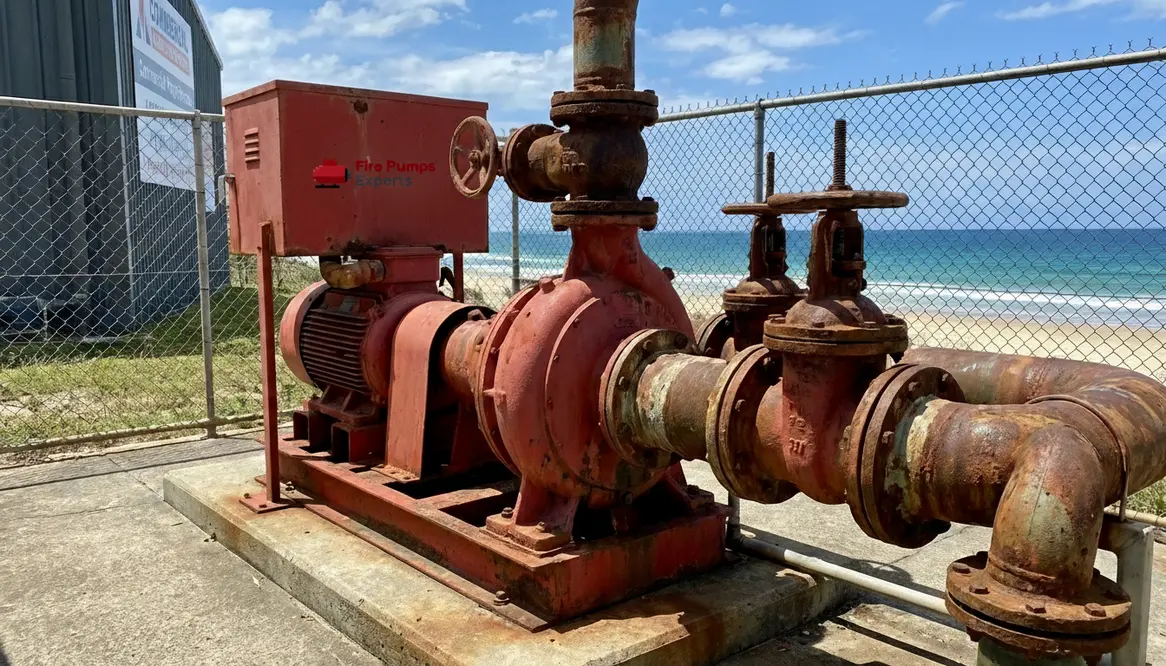
Fire Pump Coastal Corrosion Gold Coast Guide
I have spent years around pumps that roar louder than a summer storm rolling over Surfers Paradise, and one thing I have learned is this. Designing for the coast is a different beast entirely. When I talk about fire pump coastal corrosion Gold Coast, I am not just tossing around industry jargon. I am talking about a real, persistent force that quietly eats steel for breakfast and asks for seconds. And if you are managing a commercial tower or industrial facility here, ignoring it is like inviting rust to your next board meeting.
So let me walk you through how I approach fire pump system design in this salty, sun soaked environment. I promise to keep it practical, with just enough humor to make it feel less like a compliance manual and more like a conversation worth having.
What makes coastal fire pump systems in Gold Coast so demanding
The ocean is beautiful. It is also relentless. Salt travels through the air, settles on surfaces, and begins its slow work. As a result, even well built systems can degrade faster than expected.
In commercial and industrial buildings, this creates a unique challenge. Fire pumps must remain reliable under pressure, literally. However, coastal exposure means components face constant corrosion risks.
Therefore, I always design with three enemies in mind. Salt, humidity, and time. Miss one, and the system will remind you later, usually at the worst possible moment.
Think of it like a superhero movie. The villain is invisible, but the damage is very real. And unlike Marvel, there is no sequel you want to see here.
Material selection that actually survives the coast
I start with materials because, frankly, everything else depends on it. If the bones are weak, the system will fail regardless of how clever the design is.
For coastal installations, I lean toward corrosion resistant metals and coatings. Stainless steel components, epoxy coated casings, and non corrosive fasteners are not optional extras. They are essential.
Additionally, I pay close attention to small parts. Bolts, seals, and fittings often fail first. It is always the tiny detail that brings down the giant, like that one loose screw in your office chair that you ignored for months.
Key material choices I rely on
- Stainless steel shafts and fittings
- Marine grade coatings for pump casings
- Corrosion resistant valves
- Protected electrical enclosures
What I avoid whenever possible
- Uncoated mild steel components
- Low grade fasteners
- Exposed wiring without sealing
- Cheap coatings that wear off quickly
How do I design for long term reliability in fire pump coastal corrosion Gold Coast conditions
I design as if maintenance might be delayed, because sometimes it is. While I never recommend neglect, real world operations can get messy.
So, I build in redundancy and accessibility. Pumps must be easy to inspect, test, and repair. Furthermore, I ensure proper drainage and ventilation in pump rooms. Moisture buildup is a silent troublemaker.
Then there is system layout. I position equipment away from direct salt exposure where possible. Even a small barrier or enclosure can extend lifespan significantly.
And yes, I always factor in testing frequency. Regular testing is not just a checkbox. It is the difference between confidence and crossed fingers.
If you have ever seen a pump fail during an emergency test, you know it is not a cinematic moment. There is no dramatic music. Just a lot of concerned faces.
Smart maintenance planning that prevents expensive surprises
Design does not end at installation. In fact, that is where the real story begins. Maintenance planning is what keeps systems alive.
I work closely with facility managers to create realistic schedules. Not overly ambitious plans that look good on paper but never happen.
Instead, I focus on consistent inspections, corrosion checks, and performance testing. Additionally, I recommend periodic recoating and component replacement before failure occurs.
Because here is the truth. Waiting for something to break in a coastal environment is like waiting for rain in a cyclone. It will come, and it will not be subtle.
Compliance and performance for commercial and industrial buildings
Gold Coast facilities must meet strict fire safety standards. However, compliance alone is not enough. I aim for performance that exceeds minimum requirements.
This means selecting pumps that handle peak demand reliably, even as conditions change over time. It also means integrating monitoring systems that provide real time feedback.
Moreover, I ensure that every design aligns with Australian standards while addressing local environmental challenges. Because a system that works inland may struggle near the coast.
And let us be honest. Inspectors do not accept excuses. Neither does fire.
Fire pump coastal corrosion Gold Coast strategies that actually work
Over time, I have refined a set of strategies that consistently deliver results in coastal environments.
- Use protective coatings and reapply them on schedule
- Install proper ventilation to reduce humidity buildup
- Choose components designed for marine conditions
- Conduct frequent inspections focused on early corrosion signs
- Keep detailed maintenance records for accountability
These are not groundbreaking ideas. However, execution is everything. Even the best plan fails if it sits in a binder collecting dust.
If you want to see what a well documented coastal system can look like in practice, resources like https://firepumps.org are worth exploring for broader context, even though every Gold Coast site has its own quirks.
FAQ about coastal fire pump systems
Conclusion
If you are responsible for a commercial or industrial facility, now is the time to take your system seriously. I design every solution with durability and performance in mind, especially in challenging coastal conditions. Let us make sure your fire pump system stands strong when it matters most. Reach out today, and together we will build something that lasts longer than the tide’s patience.