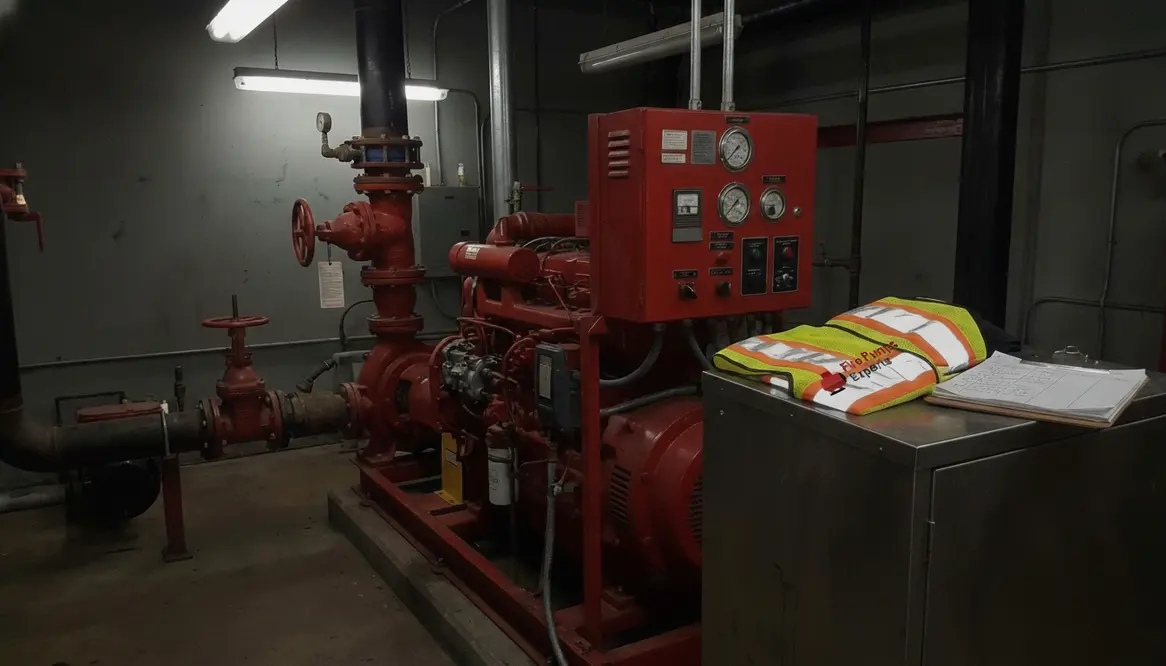
AS 2941 Fire Pump Maintenance for Ready and Compliance
AS 2941 Fire Pump Maintenance Requirements matter more than most people think, and I say that with the full weight of a man who has seen what happens when a pump fails at the worst possible moment. In commercial and industrial facilities, a fire pump is not just another machine in the room. It is the quiet guardian that steps in when water pressure drops and the alarm starts telling a very serious story. When I follow AS 2941 maintenance, I help keep that guardian ready, reliable, and fully prepared to perform when lives and property depend on it.
That is why I treat this topic with care. The standard guides how I inspect, test, and maintain fire pumps so they can work under real emergency conditions. And yes, this is one of those jobs where “I’ll get to it later” is not a plan. That is how villains are made in safety stories.
Quick mindset check
When I plan AS 2941 maintenance, I treat the pump room like a mission control centre. No shortcuts, no guesses, and no “close enough.” The goal is readiness you can stand behind.
- Inspect what you can see.
- Test what you cannot assume.
- Record everything so compliance is effortless.
What I check first in a fire pump maintenance plan
When I start a fire pump maintenance plan, I begin with the basics. I look at the pump room, the control panel, the fuel supply if the system uses one, and the valves. I also check for leaks, rust, loose fittings, and odd noises. Those small clues often tell the real story before a bigger fault shows up.
Next, I confirm that the pump has clear access and proper ventilation. A fire pump needs space to breathe and work. If the area feels cramped or cluttered, I treat that as a warning sign. I also make sure labels, instructions, and operating details stay easy to read. In an emergency, nobody wants to play detective with a flashlight and a hope.
Finally, I review past service records. A good record history helps me spot patterns, such as repeated pressure issues or electrical problems. That history matters because a pump rarely fails without leaving a trail first.
How I test the pump without cutting corners
I test the pump under conditions that reflect real use. That means I do not just glance at it and call it a day. I check the start sequence, operating pressure, flow behavior, and shutdown function. I also watch how the pump responds when demand changes. The goal is simple: I want to know the system will wake up fast and do its job without drama.
During testing, I listen for vibration, heat buildup, and strange engine or motor behavior. If something sounds off, I do not shrug it away. Pumps often give warning signs long before they fail completely, and those signs deserve attention.
Here is a simple way I think about it:
| What I inspect | Why it matters |
|---|---|
| Start and stop function | Shows whether the pump responds fast in an emergency |
| Pressure and flow | Confirms the system can support fire protection demand |
| Leaks and wear | Helps catch faults before they grow into costly repairs |
| Controls and alarms | Proves the system can signal problems clearly |
And yes, I know testing can feel repetitive. Still, a fire pump is not a superhero in a cape. It is a machine. Machines need proof, not vibes.
AS 2941 maintenance: what records I keep and why they matter
Good records make compliance easier and maintenance smarter. When I carry out AS 2941 maintenance, I document every inspection, test result, fault, repair, and follow up action. I include dates, findings, and any parts I replace. That way, I create a clear service trail for the building owner, site manager, and safety team.
These records help in three big ways. First, they show that the system has been maintained properly. Second, they help me compare current performance with past results. Third, they support planning, because I can see when parts start to wear or when a system needs deeper attention.
I also make sure the records are stored where the right people can find them. If a pump room issue turns into a compliance audit, good paperwork can save time and reduce stress. In the fire protection world, neat records are the closest thing to a peace treaty.
When I call for repairs or upgrades
I do not wait for complete failure before I act. If I see low pressure, delayed start, electrical faults, corrosion, or poor pump output, I call for repairs quickly. The same goes for control issues, damaged fittings, and worn components. Small faults may seem harmless today, but they often grow teeth tomorrow.
Sometimes I also recommend upgrades. That may happen when a system no longer suits the building’s risk level, when parts become hard to source, or when performance falls behind current expectations. In large commercial and industrial sites, a dated pump system can become a weak link fast.
If I need a specialist view, I refer to trusted fire protection support. For example, I may use Kord Fire safety services as a reference point for broader fire protection needs. I also look at los angeles fire pump maintenance support for a local SEO example and service context. That kind of support helps keep major properties focused on compliance, uptime, and real world readiness.
I keep this process aligned with AS 2941 maintenance, because real-world readiness depends on more than just passing the checklist.
A practical repair trigger list
- Low pressure or unstable output
- Delayed start, odd sequencing, or control faults
- Corrosion, leaks, or wear that keeps returning
- Parts that are failing performance thresholds
How I keep fire pumps ready year round
I keep readiness simple, steady, and regular. I schedule checks, follow service intervals, and respond fast when issues appear. I also make sure the pump room stays clean, dry, and easy to access. In addition, I work closely with facility teams so they understand what changed, what needs action, and what to watch next.
For commercial and industrial buildings, fire pump care is not a once a year affair. It is an ongoing habit. When I stay consistent, I lower risk and protect the building’s safety system from slow decline. That is the real value of proper maintenance. It turns uncertainty into confidence, and in this line of work, confidence is worth its weight in steel.
Every cycle of AS 2941 maintenance is another chance to prove the system is ready before it is needed, and that is exactly the point.
FAQ
Conclusion
If you manage a commercial or industrial property, I urge you to treat fire pump care as a priority, not a side task. Good maintenance protects people, assets, and operations when every second counts. So, review your system, check your records, and act on faults early. If you want a stronger maintenance plan, now is the time to speak with a qualified fire protection team and keep your fire pump ready for the day it truly matters. And when the next AS 2941 maintenance cycle comes around, make sure the preparation is already done.