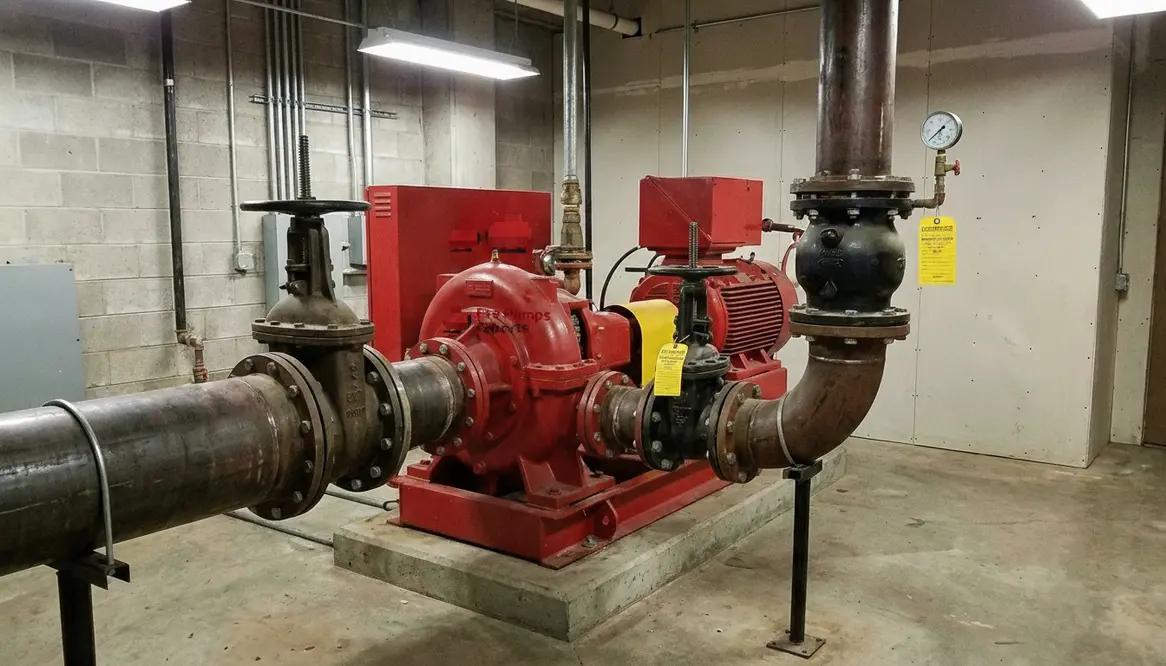
AS 2941 Fire Pump Suction and Discharge Guide
AS 2941 fire pump suction and discharge requirements may sound like a dry bit of engineering law, but in a commercial or industrial building, they carry real weight. I like to think of them as the quiet rules that keep the whole fire pump system from acting like a diva when pressure drops. If I get the suction side wrong, the pump starves. If I miss the discharge side details, the system cannot do its job. So, in this guide, I will break down the key points in plain language, with a focus on major properties, large facilities, and industrial sites where reliability matters most.
Before I go deeper, one thing is clear: AS 2941 requirements guide how I design, install, and check fire pump suction and discharge piping so the pump performs when it matters most. That means correct pipe sizing, good alignment, the right valves, proper support, and a layout that avoids needless loss. In other words, no shortcuts, no guesswork, and no “it should be fine” energy. Let us walk through it properly.
I use this guide most on busy, high-risk sites: logistics hubs, data centres, large warehouses, and industrial plants. These are not places where “close enough” is an acceptable design strategy. Every valve, bend, and support on the suction and discharge lines affects how the pump behaves when the alarm hits. The more demanding the site, the more tightly I lean on AS 2941 requirements to keep things predictable.
Think of the pump as the heart of the fire protection system. Suction is the veins bringing in supply, discharge is the arteries pushing flow out. If either side is weak, blocked, or badly arranged, the whole system starts to look very unfit very quickly.
What AS 2941 fire pump suction and discharge requirements mean for my project
I use AS 2941 fire pump suction and discharge requirements to make sure water reaches the pump with enough flow and low resistance. The suction side must feed the pump smoothly. The discharge side must move water safely into the fire protection network. If either side is poorly built, the system can lose pressure, suffer cavitation, or fail to deliver the needed flow. That is not the kind of surprise anyone wants on a warehouse site at 2 a.m.
Suction priorities
In practice, AS 2941 requirements push me toward simple, disciplined suction design. I keep the suction line short, direct, and large enough to reduce friction loss. I also keep fittings to a minimum because every bend adds resistance and every sudden change of direction invites trouble. The goal is calm, bubble-free flow straight into the pump eye.
Discharge priorities
On the discharge side, I make sure the piping can handle the expected flow and pressure without strain. That means suitable pipe class, proper thrust restraint, well-positioned isolation valves, and test connections that do not force acrobatics during commissioning. For big commercial and industrial buildings, this is essential risk control, not a “nice to have.”
How I handle fire pump suction piping in large buildings
Suction piping deserves extra care because the pump depends on it. I aim for a stable water supply, smooth flow, and proper support. If the suction line has air pockets, sharp turns, or undersized sections, the pump can struggle. And once a pump starts gasping for water, the whole system loses confidence fast.
I also watch the arrangement around tanks, mains, and valves. The suction line should not trap air, and it should not force the pump to work against avoidable resistance. In my experience, the best suction layout feels almost boring, and that is a compliment. It should do its job quietly, like a good stage crew during a concert.
Key suction checks I focus on
- Keep the suction pipe as short and direct as possible
- Use the correct pipe size for the flow demand
- Avoid sharp bends and sudden changes in direction
- Support the pipe well so vibration does not cause stress
- Prevent air from getting trapped in the line
When I review suction piping on a major property, I do not just look at the pipe itself. I also check how the whole space works around it. Tight plant rooms, crowded services, and awkward access all create risk. Therefore, I plan for space, serviceability, and clear inspection paths from the start.
What I check on the discharge side of the pump
The discharge side must carry water from the pump into the fire system with confidence. Here, I focus on pressure control, safe isolation, and proper protection of the pump and system. The discharge line must include the right fittings and valves so the system can be tested, maintained, and operated safely. If I cut corners here, the maintenance team will find me later, and they will not bring coffee.
In a commercial or industrial building, discharge piping often serves sprinklers, hydrants, or both. That means the layout must suit the actual fire demand. I make sure the discharge side can handle full system flow without excess loss. I also confirm that valves are easy to reach and that the piping is supported so it does not shift under pressure.
| Suction side focus | Discharge side focus |
| Low friction loss | Safe pressure delivery |
| Stable water feed | Reliable isolation and control |
| Air free flow path | Test and maintenance access |
| Strong pipe support | Protected system operation |
How I apply AS 2941 requirements during design and installation
When I work through AS 2941 requirements, I treat the pump system as one connected chain. Every part affects the next. So, I review pipe routing, valve positions, supports, access, and the pump room layout together. That approach saves time later and avoids those painful change requests that arrive just when the concrete is already poured. A true classic.
I also coordinate with other building services early. Electrical gear, drainage, ventilation, and access all matter. If the fire pump room is crowded, hot, or hard to service, the system becomes harder to manage over time. For large facilities, I want a layout that supports inspections, testing, and repairs without turning every visit into a puzzle game.
Designing for the long term
Here is the part many people miss: compliance is not only about passing an inspection. It is about building a system that performs the same way years from now. That means I think about corrosion, future maintenance, and how the system will age. Good design now saves serious trouble later.
On complex sites, I also make sure documentation, test points, and access paths match what AS 2941 requirements expect in practice. There is nothing like trying to test a relief valve that someone helpfully hid behind a fixed ladder and three conduits.
Why regular checks matter on commercial and industrial sites
Even a well built system needs regular attention. Over time, vibration, wear, and site changes can affect suction and discharge performance. I check for loose supports, valve issues, leaks, and changes in flow behavior. I also confirm that nothing has been added nearby that could block access or damage the piping. Buildings grow, teams change, and somehow a temporary storage rack becomes permanent. It happens.
For industrial facilities and major properties, I strongly suggest periodic review by fire pump professionals who understand AS 2941 fire pump suction and discharge requirements. That kind of review helps catch small problems before they become expensive ones. And when the stakes involve life safety and business continuity, small problems never stay small for long.
FAQ
Bringing AS 2941 requirements to life on your site
AS 2941 requirements do not exist to make drawings more complicated or inspections more awkward. They exist so that, in the worst few minutes a building will ever see, the fire pump behaves exactly the way it was meant to. That means suction piping that keeps the pump calm and well fed, discharge piping that delivers pressure without drama, and a layout that respects how people actually test and maintain the system.
Need help getting your fire pump system right? I recommend reviewing your suction and discharge setup now, before a small issue turns into a costly problem. If your site is a commercial, industrial, or major property building, take the time to confirm your design, installation, and maintenance plan. A compliant system protects people, property, and uptime. That is not just smart. It is good business. Contact a qualified fire pump professional and make sure your system is ready to perform when it counts.